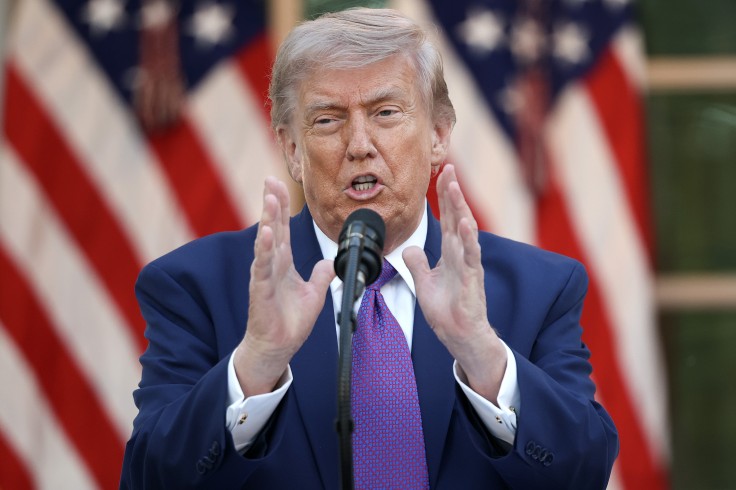
President Donald Trump announced on Saturday that a peace agreement with Iran has been "largely negotiated," signaling what could be the beginning of the end to one of the most disruptive military conflicts of the decade — a war that has rattled global energy markets, strained supply chains, and pushed inflation to levels not seen in years.
The announcement, made via a post on Truth Social, came after a wide-ranging phone call with leaders from Saudi Arabia, the United Arab Emirates, Qatar, Pakistan, Türkiye, Egypt, Jordan, and Bahrain — a coalition of regional powers that have played a central role in mediating the 84-day conflict. Trump also confirmed a separate call with Israeli Prime Minister Benjamin Netanyahu, which he described as going "very well."
What Trump Said
In his post, Trump wrote that an agreement had been "largely negotiated, subject to finalization between the United States of America, the Islamic Republic of Iran, and the various other Countries." He added that final details are "currently being discussed and will be announced shortly."
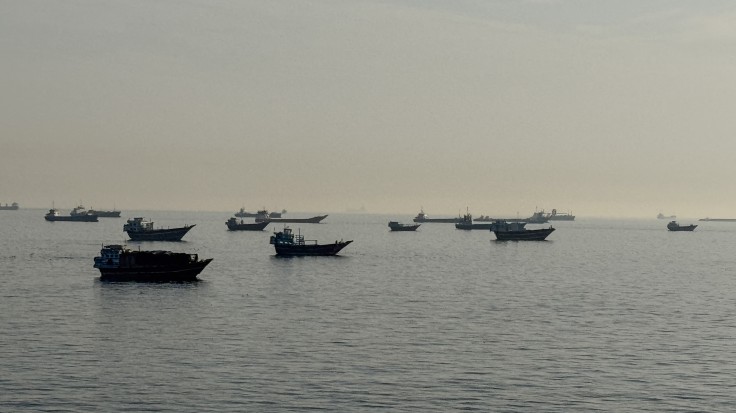
A key pillar of the deal, according to Trump's announcement, is the reopening of the Strait of Hormuz — the narrow waterway through which roughly 20% of the world's oil supply passes and which Iran closed in the early days of the conflict in retaliation for U.S. and Israeli airstrikes.
A regional diplomat told Fox News that the call with Arab leaders was "very positive" and that those governments were highly supportive of the diplomatic breakthrough Trump had achieved.
What the Agreement Would Include
According to reporting from the Financial Times and confirmed by multiple sources, the deal as currently structured involves a memorandum of understanding (MOU) as a first phase, with broader negotiations to follow within 30 to 60 days. Key terms reportedly include Reopening the Strait of Hormuz to international shipping, lifting the U.S. naval blockade on Iranian ports, a moratorium on Iranian nuclear enrichment, with additional inspections — including snap inspections by the United Nations —, a possible removal of Iran's highly enriched uranium, and easing of U.S. sanctions on Iran and the unfreezing of Tehran's overseas assets.
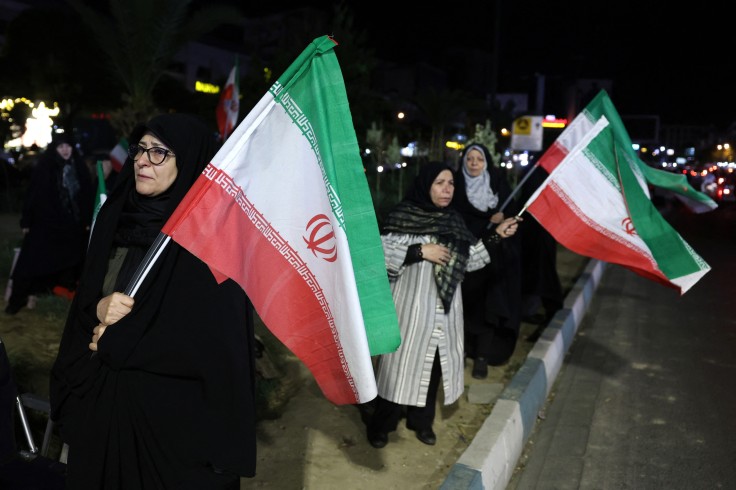
However, Iran's state-affiliated Fars news agency pushed back on Trump's characterization, insisting that the Strait of Hormuz "will remain under Iranian management" and calling Trump's announcement "incomplete and inconsistent with reality." Iran's foreign ministry spokesperson also stated that any mechanism concerning the waterway should be agreed upon between Iran, Oman, and neighboring countries — effectively arguing the U.S. has no jurisdiction over it.
Israel, for its part, expressed concern that the framework may be too narrow. An Israeli source told CNN that Netanyahu's government worries a ceasefire-focused deal could ease pressure on Tehran without adequately addressing its nuclear program or its stockpile of enriched uranium — the issues Israel considers most critical.
Impact on Oil and Gas Prices
The conflict has had sweeping consequences for global economic conditions. A finalized deal could mean imply the falling of prices of commodities especially oil.
When fighting began and the Strait of Hormuz was closed, international benchmark Brent crude surged past $111 per barrel and U.S. West Texas Intermediate (WTI) climbed above $104. Gas prices in the United States reportedly hit historic highs, averaging $4.50 per gallon nationally — a painful reality for American households headed into the Memorial Day weekend.
As diplomatic progress has emerged over recent weeks, prices have pulled back. Earlier this week, as Rubio signaled "good signs" of progress, Brent fell more than 5% and WTI lost more than 8%, settling at approximately $103 and $96 per barrel respectively. A fully confirmed deal reopening the strait could push prices substantially lower — when the April 8 ceasefire was announced, Brent dropped roughly 16% in a single session to around $92.
The ripple effects of the war have extended far beyond crude oil. Airlines have faced jet fuel shortages and surging costs. Manufacturers reliant on petrochemical inputs have struggled. Shipping costs have escalated as vessels rerouted around the Strait of Hormuz. The U.S. has also seen inflation climb to multi-year highs, driven largely by energy prices.
However, analysts caution against expecting prices to normalize overnight. A deal would need to translate into verified, sustained flows through the strait before markets price in a full supply recovery.
What to Expect Next
The next 48 to 72 hours will be decisive. Both sides are reportedly finalizing the MOU language, and Trump's post suggests a formal announcement is imminent.
For Latin America and the broader developing world, a resolution would bring relief to energy-import-dependent economies that have absorbed higher fuel costs throughout the conflict. Countries like Brazil, Chile, and Mexico — significant oil importers for some sectors — stand to benefit from falling crude prices if the deal holds.
As of Saturday evening, this remains a developing story. Latin Times will continue to update as official announcements are made.


© 2025 Latin Times. All rights reserved. Do not reproduce without permission.


