
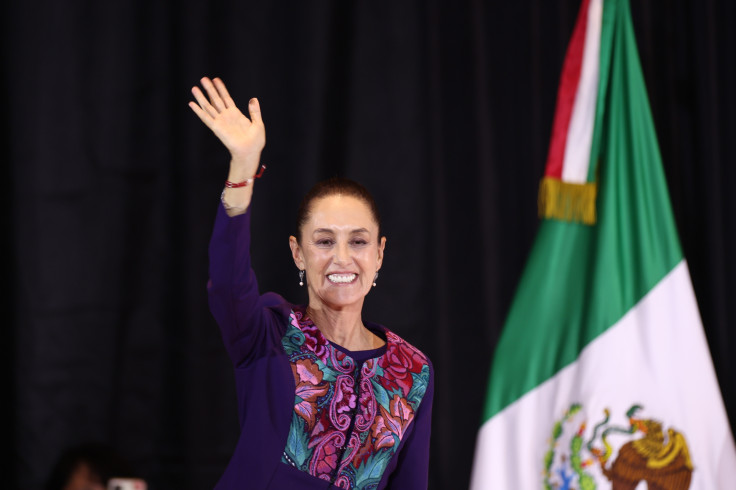
Mexico's government has reached a preliminary agreement with business groups and labor organizations to pursue a constitutional reform reducing the standard workweek from 48 to 40 hours, President Claudia Sheinbaum announced Wednesday.
Sheinbaum said the measure will advance "gradually" and only through "broad consensus" between employers, unions, and the federal government. The details stem from more than 40 technical roundtables held since June with over 2,000 representatives from companies, labor groups, academics, and policy specialists.
Labor Secretary Marath Bolaños said the reform would mark the first reduction to the legal workweek in more than a century, as Revista Fortuna reports. He noted that 13.4 million people in Mexico currently work more than 40 hours a week, calling the change a step toward improved work-life balance and productivity.


Under the proposal, the weekly limit would decrease by two hours per year beginning in 2027 until fully reaching 40 hours in 2030. Salaries and benefits would remain unchanged. The plan also introduces caps on overtime and new record-keeping requirements for employers. Minors would be prohibited from working extra hours.
Business leaders signaled support for the direction of the negotiations but urged accommodations for operational realities across sectors. Francisco Cervantes, president of the Business Coordinating Council, said employers want the transition to preserve "economic sustainability" and worker well-being. He called for "flexibility" in how companies meet compliance expectations.
Unions welcomed the announcement, describing it as a long-awaited modernization of labor protections. Reyes Soberanis, president of the Labor Congress, said that while technology has transformed productivity, legal working limits have remained unchanged since 1917. "Workers will defend this reform," he said.
The initiative, which requires approval by Congress and a majority of state legislatures, will be formally submitted in 2026. Sheinbaum said the objective is to build "wide consensus" before the legislative process begins.
The announcement came alongside an agreement to raise the national minimum wage by 13% in 2026. Bolaños said the minimum wage has regained more than 150% of its purchasing power since 2018, reaching its strongest level in decades, as Infobae points out.
Sheinbaum thanked business and labor leaders for what she called "a shared commitment" to worker welfare. Both measures are part of her administration's pledge to continue expanding labor rights while maintaining stability in the private sector.
© 2025 Latin Times. All rights reserved. Do not reproduce without permission.


