
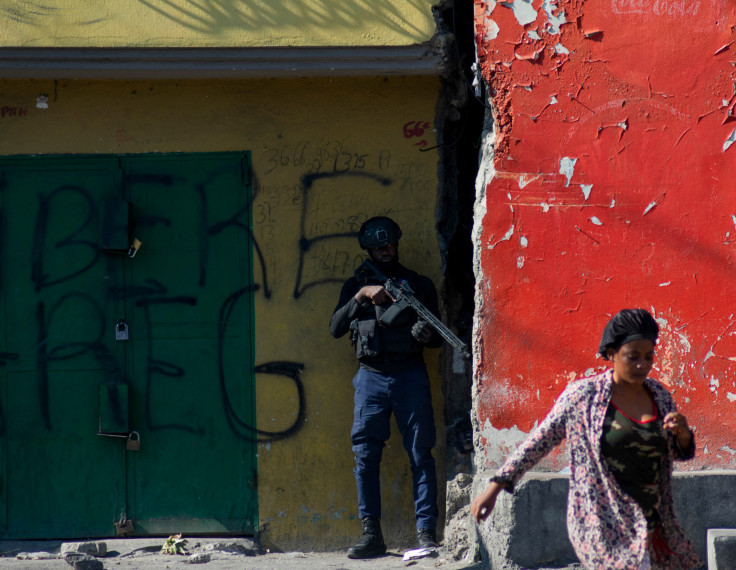
Gang violence continues to devastate Haiti, this time following raids that have intensified deadly clashes between armed groups and the Haitian National Police.
The renewed violence has forced the humanitarian organization Doctors Without Borders, also known by its French name Médecins Sans Frontières, to once again suspend medical services at a clinic in the Bel-Air neighborhood of Port-au-Prince. The decision came after a former MSF community health worker was killed during the unrest.
According to the organization, the man was unable to receive medical treatment after a building used by the organization became the site of a clash between gangs and security forces earlier this week.


In a statement released Jan. 8, MSF said seven community volunteers were trapped for several hours inside a former school building that the group uses to provide medical care. The building was caught in the crossfire, and the volunteers were only able to escape later that day.
MSF said a former volunteer was seriously wounded during the clashes and arrived at the clinic shortly after staff had evacuated the facility. With no medical personnel present to provide emergency care, the man died from his injuries at the clinic's entrance.
"The medical services we provide in Bel Air and Bas Delmas deliver essential care to several thousand patients each month," said Nicholas Tessier, MSF's head of mission in Haiti. "Without these clinics, people are left with no access to health care. Because of this latest outbreak of violence, we have no choice but to suspend all activities in Bel Air until further notice," Tessier added.
Extreme violence is pushing Haiti to the brink.
— EU Civil Protection & Humanitarian Aid 🇪🇺 (@eu_echo) January 5, 2026
Nearly 6 million people need humanitarian assistance and over 1.4 million have been forced to flee.
The EU stands in solidarity with Haitians, supporting @WFP_UNHAS, the last lifeline into Port-au-Prince. pic.twitter.com/ntTZ0fLPGN
According to the Miami Herald, MSF has been forced to suspend operations at its clinics several times over the past two years, with some facilities closing permanently as violence continues to escalate.
Fritznel Pierre, head of the Organization for Peace and Development, told the Miami Herald that his group estimates at least 80 people have been killed since Haitian authorities intensified security operations against gangs in December. Pierre said roughly 40 percent of the deaths involved civilians caught in the violence, including residents who remain in targeted neighborhoods because they have nowhere else to go or who were used as human shields by armed groups.
"The police and the government need to rethink these operations so they focus on the real drivers of insecurity," Pierre said. "People who have nothing to do with the violence or the weapons are the ones paying the price."
MSF echoed those concerns in its statement, urging all parties to respect civilians, health care workers and medical facilities.
"The escalation of violence is placing thousands of civilians in this neighborhood at serious risk and is severely undermining access to health care," the organization said.


© 2025 Latin Times. All rights reserved. Do not reproduce without permission.


