
So far this year, more than 150 individuals and companies have been designated by the United States for supporting drug trafficking organizations through money laundering.
Specifically, a total of 64 individuals and 87 companies were added this year by the U.S. government to a blacklist under which all their assets under U.S. jurisdiction are frozen, and U.S. individuals and companies are prohibited from conducting transactions with them.
According to a database created by Milenio, the list of more than 150 names includes money launderers working not only for Mexican groups, but also individuals from Colombia, Albania, India and Canada.


One of the names highlighted on the list is Ryan James Wedding, a former Canadian Olympian accused of working with the Sinaloa Cartel. Wedding, who remains at large, was placed on the FBI's Ten Most Wanted Fugitives list earlier this year.
According to U.S. officials, his organization is accused of trafficking tons of cocaine through Colombia and Mexico for distribution in the United States and Canada. The criminal network allegedly used cryptocurrencies to move, conceal and launder large sums of illicit proceeds from drug trafficking.
Of the 64 individuals sanctioned by the U.S. government, 55 are Mexican, four Albanian, two Colombian, two Indian and one Canadian, all of whom, according to reports, were operating in Mexican territory.
As Milenio reported, in an unprecedented move, 35 of those individuals were designated under terrorism authorities, while the rest were linked to drug trafficking and organized crime activities.
Of those, at least 26 individuals are tied to the Sinaloa Cartel, while another 16 are allegedly connected to the Cártel Jalisco Nueva Generación (CJNG), the group led by Nemesio Oseguera Cervantes, also known as "El Mencho."
One of the most significant sanctions announced this year against alleged partners of the Sinaloa Cartel occurred in November, when the Trump administration announced penalties against members of the Hysa family, alleging their gambling businesses in Mexico were used to launder millions of dollars for the cartel.
Regarding the companies sanctioned this year, the Milenio report found that nearly two out of every three companies were flagged for alleged ties to terrorism, while 30 additional companies were labeled as part of organized crime.
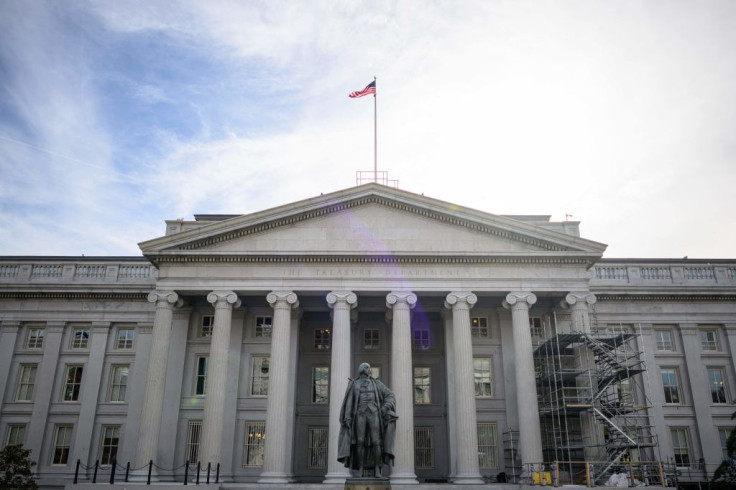
According to the report, the companies linked to cartels were not large corporations, but rather networks of closely held businesses operating largely out of public view, including fuel companies, tourism-related businesses and entertainment venues that, according to the Treasury Department, served as financial tools for criminal and terrorist structures.
According to the findings, all of the sanctioned companies have addresses or operations in Mexico, and are spread across just 12 states. More than half are concentrated in three states: Sinaloa, Baja California and Jalisco, which together account for 49 of the 87 sanctioned companies, or about 56 percent.
They are followed by states such as Nuevo León, with 12 companies, and the touristy Quintana Roo, with 10. The remainder are spread across Mexico City, Estado de México, Sonora, Baja California Sur, Nayarit, Puebla and Tamaulipas.


© 2025 Latin Times. All rights reserved. Do not reproduce without permission.


