
Every year, millions of people around the world spend weeks preparing for the holidays, gathering with their loved ones to mark the end of another year. For Latinos, these celebrations are steeped in family, faith, food and longstanding cultural traditions.
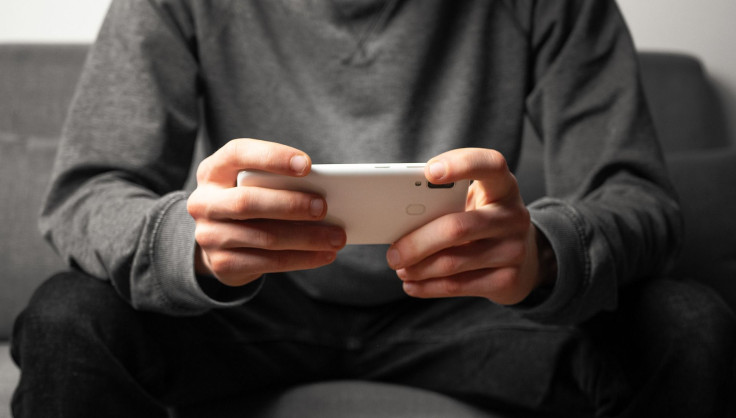
In recent years, the holiday experience has increasingly been shaped by technology. While phones and tablets were not traditionally part of holiday celebrations, they have quickly become central to the season, serving both as popular gifts and as a way for families to stay connected, especially with those living far away.


That reliance on technology has significant implications for the U.S. consumer market. According to a Nielsen report earlier this year, the Hispanic and Latino population continues to represent one of the most influential consumer segments in the country, with 65 million people, nearly one in five Americans, and $2.7 trillion in spending power.
A significant portion of the change in what Latino households buy is being driven by younger generations. Millennials and Gen Z, who are more comfortable with digital platforms and significantly active in social media, increasingly shape how their families spend during the holidays, influencing purchases made by parents, relatives and even close friends. Among the most sought-after products are portable devices, including smartphones, tablets, smartwatches and other newly released technology.
A CNET-commissioned YouGov survey of U.S. adults found consumers plan to spend an average of $931 on tech this holiday season, with smartphones (26%) and laptops (23%) among the most desired devices. Younger generations are expected to spend even more, with millennials planning an average of $1,070, according to the survey.
For Jorge Martel, vice president and general manager at T-Mobile Puerto Rico, the trends underscore the importance of understanding Latino consumers, who are among the fastest-growing and most tech-savvy demographic groups.
"Not only do Latinos tend to seek out the newest phones and technology more often than other groups, they stream more, take more videos and use more AI tools than anybody," Martel said in an interview with The Latin Times. "It is a very tech-savvy group, and it's important to meet them on all those fronts."
Latinos also use their devices in ways that reflect the community's deep family and cross-border connections. According to T-Mobile's Conectados: U.S. Latino Mobile Trends 2025 Report, 73% of Spanish speakers contact someone internationally at least once a month, compared with 49% of English speakers.
"Latinos represent more than 25% of our customer base, and their voices and experiences shape who we are as a company," Martel said. "For this community, mobile technology is more than a tool, it's a lifeline for connection, opportunity and cultural expression."
That reliance on technology is also changing how Latinos shop during the holidays.
While most purchases still happen in stores, online spending among Hispanic households continues to rise, particularly among younger consumers. About 30% of Hispanic consumer spending occurred online in 2025, up from roughly 26% in recent years. Nielsen found that Gen Z and millennial households are driving that growth, making up most Hispanic spending and showing a stronger preference for online shopping than the overall U.S. population.
Brands are responding by adapting their products and services for the digital world. Phone carriers like T-Mobile have increased efforts to move their offerings into mobile apps.
"What we want from our app is to show customers a clearer version of the perks they get simply by being a customer," said Jon Freier, president of T-Mobile's consumer group. "You don't want to roll into town, slap your logo on something and call it a sponsorship. We want people to feel our impact."
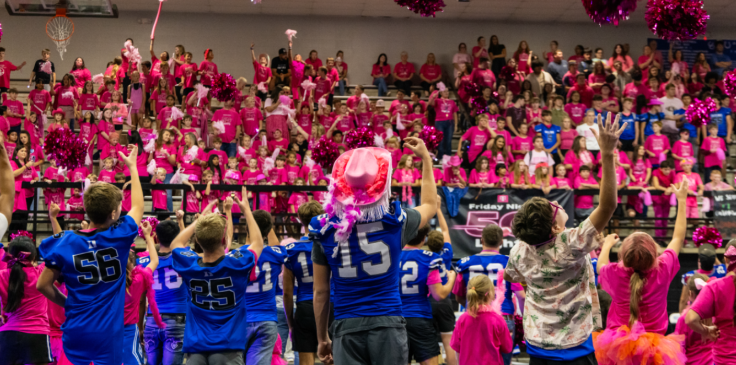
Beyond entertainment and marketing partnerships, T-Mobile has also launched programs aimed at supporting Latino communities, including initiatives that fund high school football programs in small towns, support local community development projects and expand internet access for underserved students.
"In Norfolk, Nebraska, we installed iPads and multilingual tools so first responders and residents who speak Spanish can communicate more easily with city officials," Martel said. "It's a way to use technology to bridge gaps in a Latino community and make it stronger."


© 2025 Latin Times. All rights reserved. Do not reproduce without permission.


