
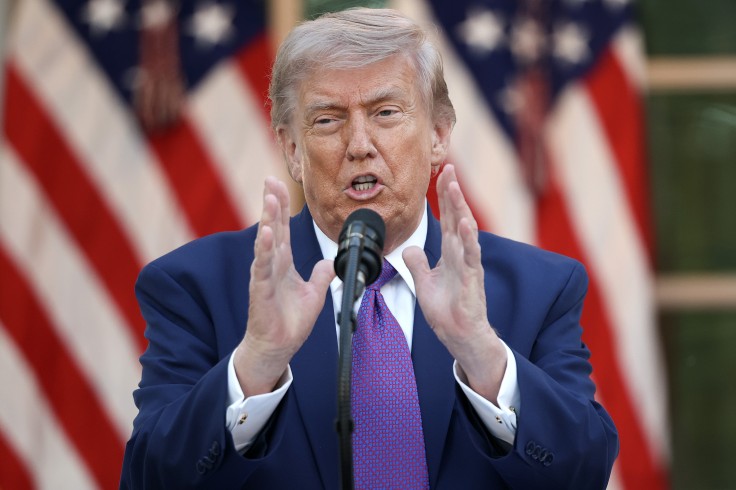
President Donald Trump signed a sweeping executive order that strips long-standing job protections from approximately 8,000 senior federal employees, a move the administration says will increase accountability but critics argue could fundamentally reshape the nonpartisan civil service.
The order, signed this week, formally creates a new employment category known as "Schedule Policy/Career," reclassifying senior government workers who are deemed to have significant influence over federal policy. Employees moved into the category can be removed much more easily than traditional career civil servants and will no longer have many of the appeal rights that previously protected them from dismissal.
According to the Office of Personnel Management, the affected positions are concentrated among high-ranking career officials, with roughly 97% of them at the GS-15 level or higher. The jobs include policy office directors, chiefs of staff, regional administrators, program managers, senior public affairs officials and others involved in developing or implementing government policy.
Scott Kupor, director of the Office of Personnel Management, defended the change, arguing that presidents should have greater authority to ensure federal employees carry out elected administrations' policy goals.
"You can have any political views," Kupor said, but employees who refuse to carry out lawful directives should be removable.


The order is the latest chapter in Trump's long-running effort to confront what he has described as resistance from career bureaucrats within the federal government. A similar initiative known as "Schedule F" was introduced near the end of Trump's first term but was rescinded before it could be fully implemented. The current version revives that concept under the new Schedule Policy/Career designation.
Potential consequences
The practical impact could extend far beyond the initial group of 8,000 workers. Supporters argue the change will make government agencies more responsive, allow poor performers to be removed more quickly and ensure presidential directives are carried out efficiently. The administration insists the policy preserves merit-based hiring, veterans' preferences and whistleblower protections.
Critics see a different outcome. Federal unions, civil service advocates and legal groups warn that the move could weaken the independence of career government experts by making them vulnerable to political pressure. Several organizations have already filed lawsuits seeking to block the policy, arguing that it undermines the merit-based civil service system established more than a century ago to prevent political patronage from dominating government employment.
Another consequence could be increased turnover among experienced federal managers. Experts warn some senior officials may retire or leave government service rather than work under an at-will employment structure. Critics say that could create disruptions at agencies responsible for national security, public health, environmental protection, transportation and other critical functions.
The administration currently estimates that about 8,000 positions will be reclassified, far fewer than earlier projections that suggested as many as 50,000 federal jobs could eventually be affected. However, officials have not ruled out expanding the program in the future.
Federal agencies now have seven days to begin updating personnel records for affected employees.
The order is expected to trigger a new round of legal challenges and congressional scrutiny as both supporters and opponents battle over the future of the federal workforce and the balance between political accountability and civil service independence.
© 2025 Latin Times. All rights reserved. Do not reproduce without permission.


