
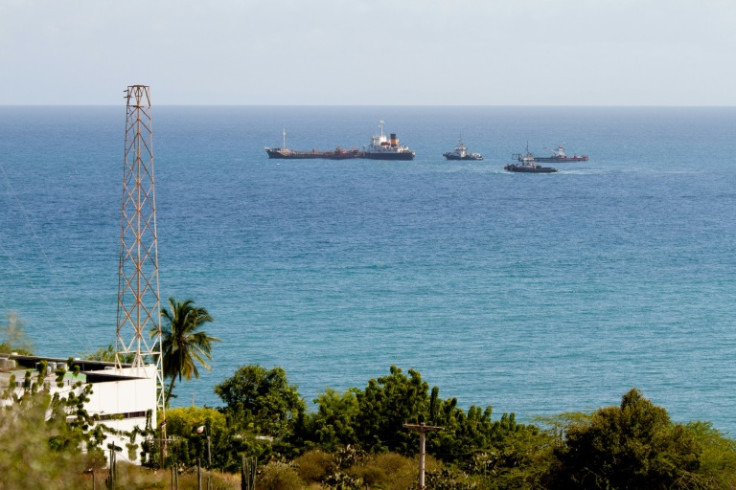
U.S. forces have seized a sanctioned oil tanker off the coast of Venezuela, yet another escalation in the pressure campaign against the Maduro regime, according to a new report.
The seizure could make it much harder for Venezuela to export oil, Bloomberg added in its report, as other shippers could be more reluctant to load the country's cargo.
The outlet highlighted that most of Venezuela's oil goes to China through intermediaries and at steep discounts as a result of sanctions imposed by the U.S. on the country.
Members of the Venezuelan regime have claimed that the U.S.'s pressure campaign against the country is focused on seizing its natural resources. The Trump administration, in turn, says it's seeking to prevent drugs that leave Venezuela from reaching the country.
To that declared end it has conducted over 20 strikes against alleged drug boats, so far killing more than 85 people.
It is unclear whether the development will have a substantial impact on the regime, but authoritarian President Nicolas Maduro is is refusing to relinquish power, confident that he can wait out the campaign, according to another report.
Even though Maduro is increasingly fearful of an attack against him or critical infrastructure, his regime is not showing signs of collapsing, The Washington Post claimed this week, based on interviews with people close to the regime.
In the meantime, however, Maduro has been sleeping in different places and changing his phone number to avoid being targeted.
The New York Times detailed last week that Maduro has also leaned on Cuba as the Trump administration escalates its pressure campaign against his regime, which recently included a warning from the U.S. president to relinquish power or risk being forcefully.
The outlet added that Maduro has also expanded the role of Cuban bodyguards in his security detailed and added more counterintelligence officers from the country to the Venezuelan military, considering that Havana has a vested interest in keeping Maduro in power given the countries' tight relations.


© 2025 Latin Times. All rights reserved. Do not reproduce without permission.


