
Venezuelan indigenous people described what appeared to be the U.S. strike on alleged cartel infrastructure earlier this month, saying they were unable to hear for hours due to its power.
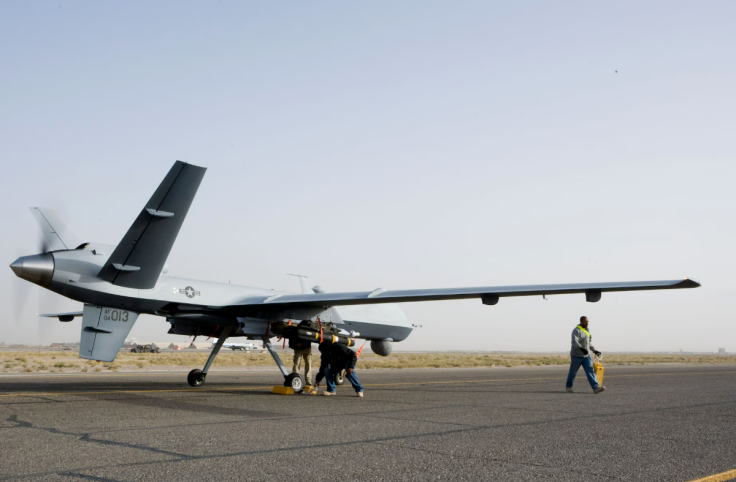
Speaking to NBC News, Ana, one of the witnesses of the strike, said the explosion took place on December 18. Days prior she had heard a noise she now believes could have been a drone surveilling the area.
"I've never seen anything like it," said Ana, who didn't provide her last name out of fear of reprisals. She added that the hearing of some of her relatives might be damaged permanently and the family's fishing boat has been destroyed, along with their fish nets.
"We are humble people who fish to survive," she told the outlet. "We need help to recover what we lost." She then said government officials showed up the morning after the attack and said "the gringos did this."
Another witness said he doesn't know whether the attack was conducted with a drone or a missile, but was a "big explosion."
The attack in question was reportedly conducted by the CIA and hit what has been described as a remote dock in the Venezuelan coast. CNN cited sources with knowledge of the attack who said no one was present at the facility and there were no casualties. It added that Special Operations Forces provided intelligence support, but a spokesperson for the US Special Operations Command, Col. Allie Weiskopf, said that was not the case.
Venezuela's authoritarian government has not officially acknowledged the attack. However, Colombian President Gustavo Petro did, saying guerrilla group ELN is behind the operation.
In a lengthy social media post, Petro said he knows "Trump bombed a factory, in Maracaibo, where coca paste is mixed to turn it into cocaine and take advantage of Maracaibo's location."
He went on to blame the guerrilla group, saying that its activities are allowing the U.S. to "invade Venezuela." Petro then suggested the country's army should go to the region and replace coca crops, also considering that the price of the drug has "plummeted."
"There are massive warehouses in Africa storing tens of tons of cocaine and the price of coca leaves in Colombia have plunged. It is now more profitable to deal with cannabis and lawful gold than cocaine. It's replacement time and the state must take advantage of this," Petro said.


© 2025 Latin Times. All rights reserved. Do not reproduce without permission.


