
Venezuelans are reporting widespread phone searches, detentions and intimidation as security forces move to suppress any signs of approval for the U.S. capture of former leader Nicolás Maduro.
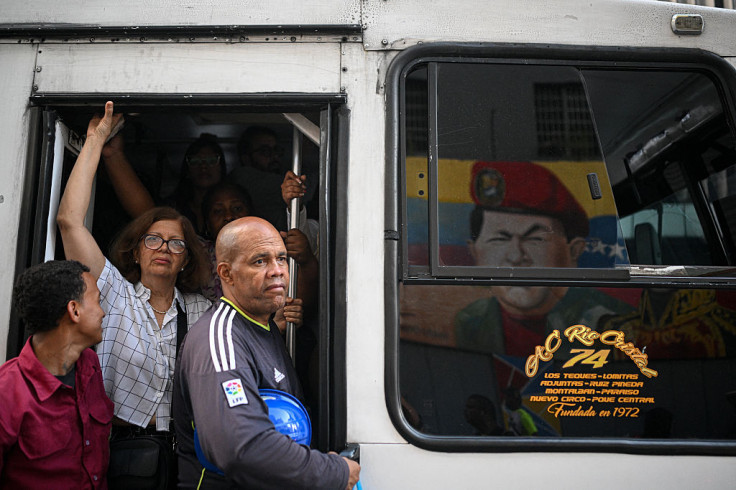
According to reporting by The New York Times, security personnel have set up checkpoints across Caracas and other cities, boarded public buses and searched passengers' mobile phones for messages or social media posts perceived as supportive of Maduro's removal. At least 14 journalists and six civilians were detained in recent days, rights groups said, with most later released.
The crackdown has unfolded alongside large, government-led marches in Caracas calling for Maduro's freedom, as The Times reports. The parallel display of orchestrated support for the former leader and repression of critics has drawn attention because the interim authorities now allegedly enjoy backing from the administration of Donald Trump.
-
Venezuela's Interim Leader Strikes Defiant Tone After Trump's Threats: 'My Destiny Is Decided Only by God'

-
John Bolton Slams Trump for Sidelining Machado in Venezuelan Transition: 'I Don't Think He Understands Anything'

-
Top Venezuelan Official Strikes Defiant Tone Despite U.S. Threats: 'We'll Bring Nicolas Back'


Days after Trump said the United States could "run" Venezuela, much of the political, security and intelligence apparatus built under Maduro remains intact. Interim President Delcy Rodríguez, Maduro's former vice president, has repeatedly demanded his release and condemned the U.S. operation. "The government of Venezuela governs our country," she said in a televised speech. "No one else."
Despite that rhetoric, White House officials have said they believe Rodríguez will comply with U.S. demands. On Tuesday night, Trump announced that Venezuela had agreed to hand over between 30 and 50 million barrels of oil to the United States. Venezuelan authorities did not immediately respond. The regime also announced a "significant" release of political prisoners, but so far organizations said they have been able to prove eight.
The repression has been reinforced by a 90-day emergency decree issued by Rodríguez ordering the "immediate search and capture" of anyone accused of supporting what the government calls a U.S. armed attack. Rights groups say the decree has led to a visible increase in police, military units and armed civilian groups known as colectivos on the streets.
"They make you open WhatsApp and search for words like 'Maduro,' 'United States,' 'Donald Trump,' 'invasion,'" said Gabriela Buada, director of the Venezuelan rights group Caleidoscopio Humano, to The New York Times. "They want to see if you are celebrating."
Some detainees described being held briefly or released after payments. One woman told the Times that her husband, a vendor in western Zulia state, was detained after celebrating Maduro's capture and freed only after relatives paid police $1,000.
The intensified crackdown comes as U.S. officials publicly prioritize oil and security issues over democracy and human rights. Asked whether Washington had discussed freeing political prisoners or allowing exiled opposition leaders to return, Trump said Sunday, "We haven't gotten to that yet. What we want to do now is fix the oil."
© 2025 Latin Times. All rights reserved. Do not reproduce without permission.


