
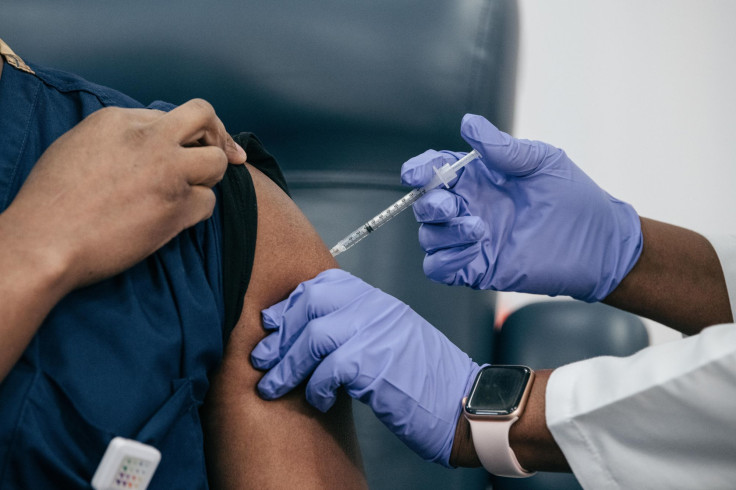
The Centers for Disease Control and Prevention is facing growing scrutiny after officials acknowledged the agency intentionally delayed the release of a study showing the effectiveness of the latest COVID-19 booster, a decision now fueling debate over transparency and public health messaging.
According to reporting by The Washington Post, the study found that healthy adults who received the 2025–2026 COVID-19 booster were significantly less likely to require medical care. Data collected between September and December showed vaccinated individuals were about 50 percent less likely to visit emergency rooms or urgent care and 55 percent less likely to be hospitalized compared to those who did not receive the updated dose.
The report had been scheduled for publication on March 19 in the CDC's Morbidity and Mortality Weekly Report, the agency's flagship scientific journal. However, the agency later confirmed the study was pulled before publication for additional review, a move officials now acknowledge was a deliberate decision rather than a routine delay.
The review was initiated under acting CDC director Jay Bhattacharya, who raised concerns about the study's methodology. Federal officials have said leadership oversight of scientific publications is standard practice, but the acknowledgment that the release was intentionally halted has intensified criticism from some public health experts.


Among those raising concerns is Dan Jernigan, who noted that the study used the same methodological framework long applied to measure vaccine effectiveness, including influenza vaccines over the past two decades.
The controversy is unfolding against a broader backdrop of internal tensions over vaccine policy within the administration of Donald Trump. Robert F. Kennedy Jr., who leads the Department of Health and Human Services, has a history of questioning vaccines, including mRNA-based COVID-19 shots.
While there is no confirmed evidence that Kennedy directly intervened in the study's delay, some current and former officials cited in reports suggested the decision may reflect wider disagreements over how vaccine data is presented to the public. Others within the government maintain the delay was driven solely by scientific review concerns.
The episode comes at a sensitive time for federal health agencies. Officials are weighing potential changes to COVID-19 vaccine recommendations ahead of the midterm elections, with some advisers reportedly exploring more restrictive guidance on mRNA vaccines before backing away from those proposals.
Public health specialists warn that delaying the release of positive vaccine data, even temporarily, risks eroding trust in federal institutions that rely on timely and transparent communication.
The CDC has not provided a revised timeline for when the study will be published, leaving unanswered questions about both the data and the decision-making process behind its delay.
© 2025 Latin Times. All rights reserved. Do not reproduce without permission.


