
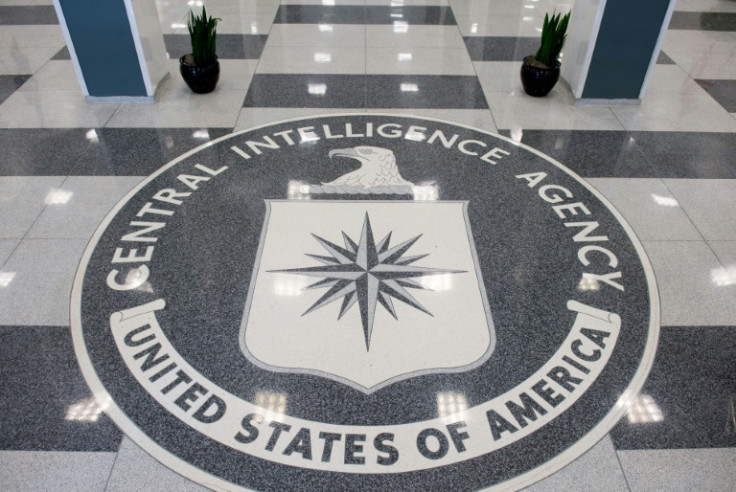
U.S. intelligence officials are preparing to establish a sustained presence inside Venezuela as part of Washington's effort to shape the country's political transition after the capture of former president Nicolás Maduro, according to a new report.
Discussions between the CIA and the State Department have focused on defining the U.S. footprint in Venezuela in both the short and long term. While the State Department is expected to anchor Washington's diplomatic presence, the administration is likely to rely on the CIA to lead the initial phase of re-engagement amid political uncertainty and security risks following Maduro's removal.
"State plants the flag but CIA is really the influence," one source familiar with the planning told CNN, adding that the agency's near-term goals include preparing the ground for diplomatic efforts, building relationships with local actors and addressing security concerns.
U.S. officials may initially operate from a CIA annex before the reopening of an embassy, enabling informal contacts with government factions, opposition figures and potential threats, according to the source.
A former U.S. official said establishing such an annex would be a priority because it could facilitate liaison channels with Venezuelan intelligence services and allow conversations that diplomats cannot conduct. The CIA declined to comment.
-
Venezuelan Leader Rejects Report Claiming She Pledged To Cooperate With Trump Before Maduro Was Captured: 'Fake'

-
Venezuela's Interim Leader Calls On U.S. To Stop Interfering In Its Internal Affairs: 'Enough With The Orders'

-
Russia Says It 'Knows The Names Of Those Who 'Betrayed' Maduro And Allowed His Capture By U.S. Forces


CIA Director John Ratcliffe traveled to Caracas earlier this month to meet interim president Delcy Rodríguez and military leaders, becoming the most senior U.S. official to visit Venezuela since the operation against Maduro. According to U.S. officials cited by The New York Times, Ratcliffe conveyed that Venezuela could no longer serve as a safe haven for adversaries such as China, Russia and Iran. The CIA is expected to brief Venezuelan officials on intelligence related to those actors, sources said.
The agency's involvement in Venezuela predates Maduro's capture, as CIA officers have reportedly been operating inside the country for months, tracking Maduro's movements with assistance from sources within the Venezuelan government. Intelligence assessments also shaped Washington's decision to back Rodríguez rather than opposition leader María Corina Machado, according to officials familiar with the process.
U.S. officials involved in planning say broader policy objectives remain unclear despite President Donald Trump's claim that his administration would "run" Venezuela. The lack of defined goals has complicated efforts to coordinate diplomatic and intelligence strategies, sources told CNN.
The United States withdrew its diplomats from Caracas in 2019, though limited teams have recently returned to assess the feasibility of reopening the embassy.
© 2025 Latin Times. All rights reserved. Do not reproduce without permission.


