
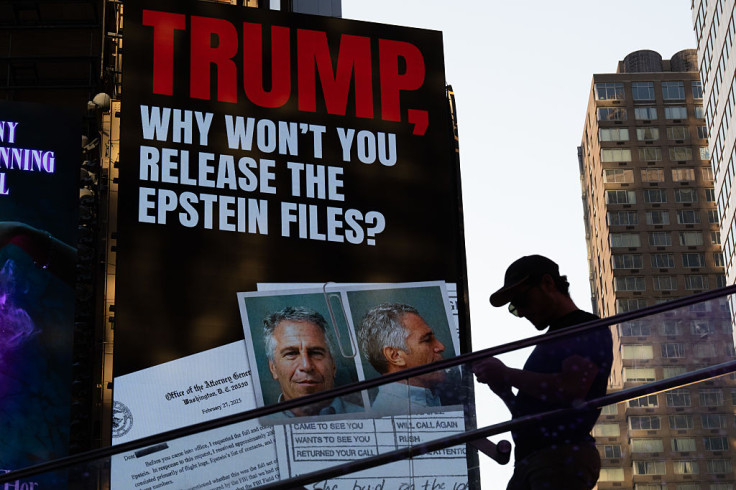
Just days before the close of 2025, the Justice Department released nearly 30,000 pages of material tied to the late financier and convicted sex offender Jeffrey Epstein. The records included court filings, internal emails, photographs, news clippings, audio recordings and hundreds of video files.
More than two weeks after the final batch was made public, federal prosecutors in Manhattan say the vast majority of Epstein-related records remain unreleased and continue to undergo review and redaction.
"More than 2 million documents remain in various stages of review and redaction," U.S. Attorney Jay Clayton wrote in a five-page status update submitted to the federal judge who once oversaw Epstein's case, as reported by Politico.


The disclosure followed a Justice Department briefing on Jan. 5 in which officials acknowledged that less than 1 percent of the total archive has been released so far, despite a federal mandate requiring most of the files to be made public by Dec. 19.
Clayton said approximately 12,285 documents, totaling 125,575 pages, have been disclosed to date.
The initial release occurred on Friday, Dec. 19, and was organized into five separate collections drawn from earlier investigative materials. Among them were thousands of images and records compiled by federal authorities over several years.
One collection included more than 3,100 photographs believed to depict Epstein's properties in Manhattan and the U.S. Virgin Islands. Another set consisted of hundreds of images tied to Epstein's travel history, some of which showed prominent individuals, included former President Bill Clinton and current President Donald Trump.
Other records included dozens of PDF files that largely cataloged photographs recovered from CDs, DVDs and scrapbooks, although many of those documents were heavily redacted because they contained sensitive material.
Additional files included more than 150 PDFs featuring phone logs, handwritten notes, police records and call data. A separate batch consisted of images documenting physical evidence, such as hard drives, folders and storage boxes photographed by investigators.
Two more collections were released on Dec. 20, which included grand jury materials, interview transcripts, court documents and an internal Justice Department interview with a U.S. attorney involved in a federal investigation of Epstein during the mid-2000s.
The Justice Department's phased approach to releasing the files has drawn sharp criticism. In his filing, Clayton said the slow pace was necessary to prevent the disclosure of victims' identities or private information. Critics, however, have accused the department of redacting material that they argue should be public, including the names of prosecutors and agents involved in the investigations.
Clayton said this week that the ongoing review represents a major internal undertaking, with hundreds of Justice Department attorneys expected to devote much of their workdays in the coming weeks to examining and redacting records before any additional disclosures.
The effort includes 125 prosecutors from the Southern District of New York, the office handling criminal cases involving Venezuelan leader Nicolás Maduro. Clayton said those attorneys are being assisted by roughly 100 FBI analysts with experience handling highly sensitive victim-related materials, according to Politico.

© 2025 Latin Times. All rights reserved. Do not reproduce without permission.


