
Mother's Day 2026 arrives at a moment when Latina motherhood is being told less through picture-perfect family portraits and more through the messy, funny, bilingual reality of everyday life. On TikTok and Instagram, Latina moms and family creators are turning school runs, cafecito breaks, cultural expectations, beauty routines, aging, immigrant nostalgia and Spanglish conversations into content that feels instantly recognizable to millions of viewers.
What makes this generation of creators different is that they are not presenting motherhood as one single experience. They are showing it as many things at once: tender, chaotic, stylish, exhausting, ambitious, emotional and deeply cultural. Some lean into humor, others into wellness, fashion, recipes, parenting advice or identity, but all of them are helping define what modern Latina motherhood looks and sounds like online.

That is why creators like Jeannette Kaplun, Claudia Felix Garay, Carol de Mauro, and Paula Zelaya resonate heading into Mother's Day. They reflect different corners of a digital community where Latina moms are no longer just the audience. They are the storytellers, tastemakers, and sometimes punchline writers of their own lives.
Together, these creators show that Latina mom content in 2026 is no longer limited to parenting tips. It is a full lifestyle language, one built on love, humor, tradition, ambition, and the kind of real-life chaos that makes Mother's Day feel less like a Hallmark card and more like the group chat coming alive.
1. Jeannette Kaplun
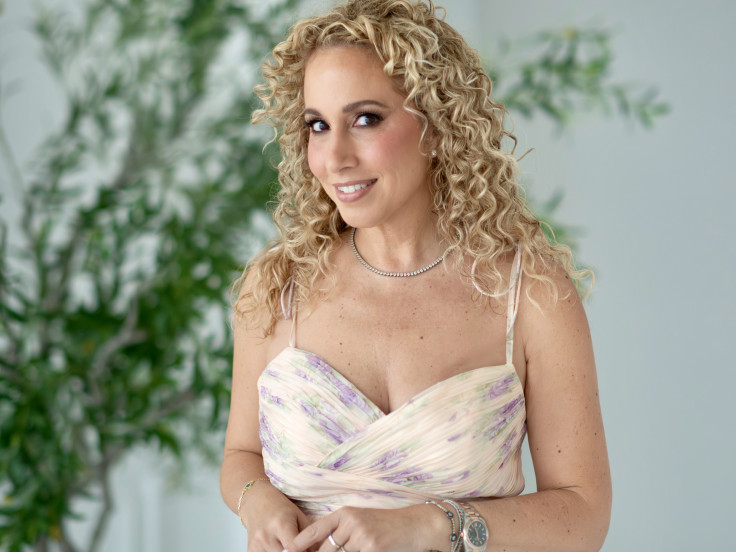
The Miami-based creator, journalist, and founder of Hispana Global remains one of the most recognizable Latina mom voices online, blending parenting, beauty, wellness, and bilingual family life. Her Mother's Day content consistently trends among Latina audiences because it mixes practical advice on content as diverse as health, makeup, biculturalism, travel, and more with emotional and powerful storytelling.
2. Paula Zelaya
Known online as Paulis, Zelaya is a Colombian content creator, producer and mother of three who has built a community around real motherhood, women's events and honest storytelling. She is the creator of Mia Mommy, a Spanish-language platform for mothers, and describes her work as a space to inspire and support women, especially moms and entrepreneurs, through videos, interviews, events and family-centered content. Her brand also includes Noche de DESmadre, an event built around laughter, music and community for women, and her public breast cancer journey has added a deeper layer to her voice online. In posts about her diagnosis and treatment, Zelaya has spoken openly about fear, motherhood and the emotional weight of cancer, turning her platform into a place where humor, vulnerability and support can coexist.
3. Claudia Felix Garay
The California-based creator behind "The Latina Mom" has found viral traction through lifestyle and "sports mom" content, especially among suburban Latino families. Her mix of fashion, parenting and everyday family chaos resonates strongly with younger Hispanic moms.
4. Carol de Mauro
De Mauro has built a loyal audience online through content that mixes motherhood, lifestyle, humor and the everyday realities of raising a family as a Latina woman in the United States. Her videos and social media posts often lean into relatable parenting moments, relationships, beauty and family routines, creating the kind of conversational and approachable content that resonates strongly with millennial Latina moms. Like many of the new generation of Latina creators, De Mauro's appeal comes from making motherhood feel authentic rather than aspirational, balancing humor, vulnerability and cultural identity in a way that reflects how many bilingual families actually live and communicate today.
A major trend in 2026 is that Latina motherhood content is no longer limited to parenting advice. The biggest creators are mixing beauty, mental health, immigrant identity, humor, recipes, relationships and "Spanglish" storytelling into one lifestyle brand.
Experts say that resonates because younger U.S. Latinos increasingly consume content that reflects how bilingual families actually communicate. Pew Research Center reports that nearly 68% of U.S. Latinos still speak Spanish at home, even as younger generations move fluidly between English and Spanish online.


© 2025 Latin Times. All rights reserved. Do not reproduce without permission.


