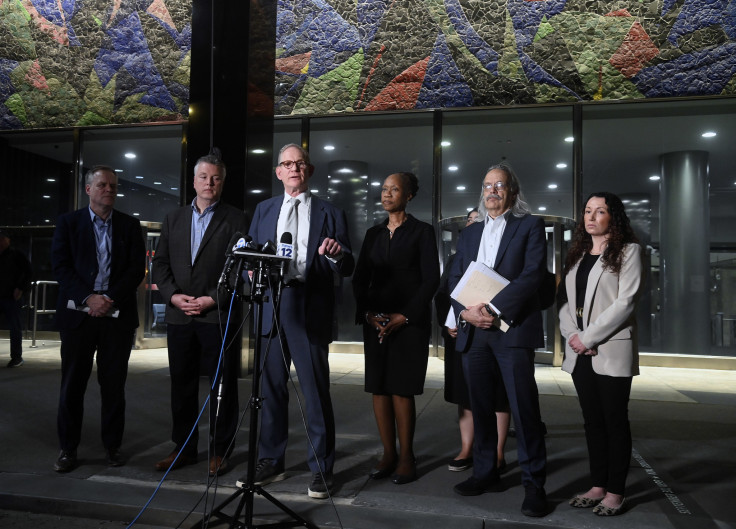
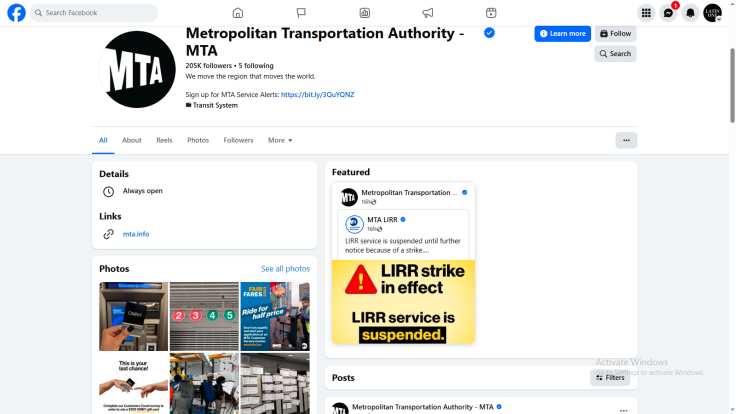
Updated 5:00 p.m. EST - No new update on the ongoing strike. The MTA's official website and Facebook channels have not presented any new information this afternoon.
What the strike looks like on the ground
The Metropolitan Transportation Authority (MTA) says LIRR service is fully suspended systemwide "due to a strike," affecting nearly 300,000 daily passengers who depend on the railroad to for transportation. In a statement, MTA Chair Janno Lieber warned, "as Governor Hochul said, 'everybody loses in a strike'" and urged riders to work from home if possible while negotiations with five unions remain stalled over wage increases and benefits.
According to Spanish‑language outlet El Diario, the strike began at 12:01 a.m. Saturday after unions and the MTA failed to reach a deal on a new contract, freezing service on all branches between Long Island and New York City. The five unions, representing about 3,500 workers including engineers and conductors, say management provoked the walkout by insisting on last‑minute cuts to health coverage and rejecting higher salary demands.
Local coverage notes that the shutdown of LIRR, which carries roughly 245,000 riders on an average weekday and 75.5 million riders annually, has effectively removed a core artery for commuters heading into Manhattan, Brooklyn, and Queens. Long Island.
How Latino New Yorkers are being affected
Latinos are at the center of this story. According to an analysis by CUNY's Center for Latin American, Caribbean & Latino Studies, New York City had about 2.49 million Hispanics in 2020, with Latinos making up roughly 29% of the city's population. Many of these residents work in sectors—health care, hospitality, construction, cleaning, and retail—that require in‑person attendance and early or late shifts, making them particularly dependent on reliable commuter rail and subway connections into the city.
While there is no precise public figure for how many Latino riders use the LIRR specifically, the line is a crucial link for immigrant and Latino communities in Queens and Nassau County who live along the railroad corridor and commute into Manhattan or other boroughs. The full shutdown means those riders must either switch to overcrowded subway lines and buses near the Queens border, drive or carpool, absorbing higher tolls and gas costs; miss shifts entirely if they cannot secure an alternative route in time.
Spanish‑language reporting underscores that Latino workers interviewed at Penn Station and on Long Island are facing longer travel times, lost wages, and difficulties arranging child care due to uncertainty over when trains will run again. For hourly workers without the option to telework, every missed train can mean a lost day's pay.
Official alternatives—and their limits
The MTA has outlined shuttle buses and limited alternative transit options on its official strike page and urged riders to avoid nonessential travel. Some regional outlets report that the agency intends to offer prorated refunds to monthly ticket holders for each weekday that service is suspended, pending board approval, a move that could help soften the financial blow for regular riders.
Still, replacement buses and road travel cannot fully absorb the demand of hundreds of thousands of daily LIRR riders, and traffic congestion into New York City has already worsened as more commuters attempt to drive. For many low‑income and Latino residents, the cost of last‑minute rideshares or parking near Manhattan is simply out of reach, turning the strike into both a transportation crisis and a social equity issue.
What's next—and why it matters for Latino communities
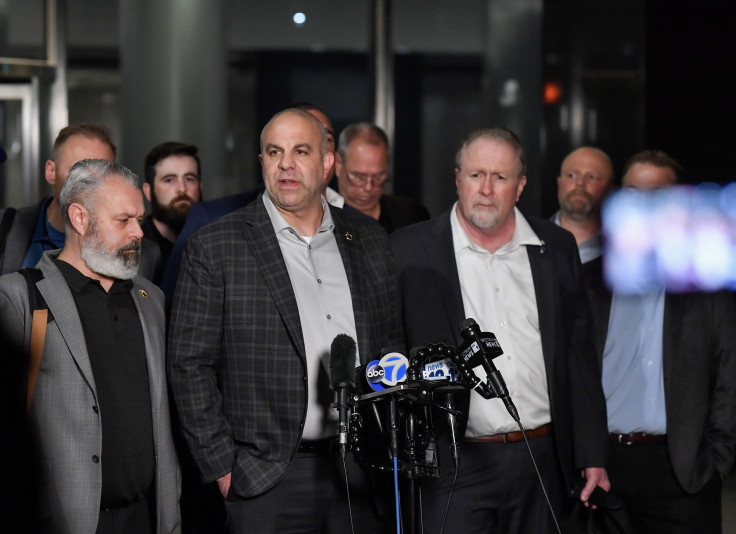
Union leaders say they are prepared to stay out until they secure a fair contract, while the MTA argues that exceeding its budget on wage demands could "implode" finances and eventually lead to higher fares or service cuts across the system. As talks remain frozen, Latino New Yorkers—who make up nearly a third of the city and are heavily represented among essential workers—are left navigating a patchwork of buses, crowded subways, and costly alternatives just to keep their jobs and appointments.
For the city's Latino communities, the LIRR strike is more than a labor dispute between management and unions; it is a reminder that when a key transit lifeline fails, those with the fewest economic margins pay the highest price.


© 2025 Latin Times. All rights reserved. Do not reproduce without permission.


