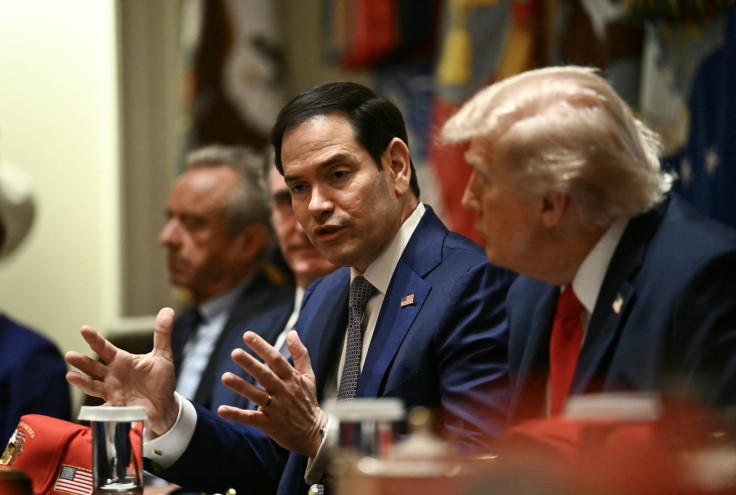
In a striking development that signals a dramatic shift in hemispheric energy politics, the Trump administration announced at its most recent Cabinet meeting that more than 10 million barrels of Venezuelan crude oil have been delivered to the United States since January 3rd of this year — the result of what officials are describing as a rapidly evolving strategic alliance between Washington and Caracas.
The announcement came as part of a wide-ranging Cabinet meeting in which President Trump and senior officials outlined what they characterized as a comprehensive transformation of the U.S.-Venezuela relationship — from sanctioned adversary to strategic energy partner — in what Secretary of State Marco Rubio described as an unprecedented diplomatic and economic realignment.
"Over 10 million barrels of Venezuelan oil have been delivered to the United States since the 3rd of January. That industry is being professionalized for the first time ever." — Secretary of State Marco Rubio
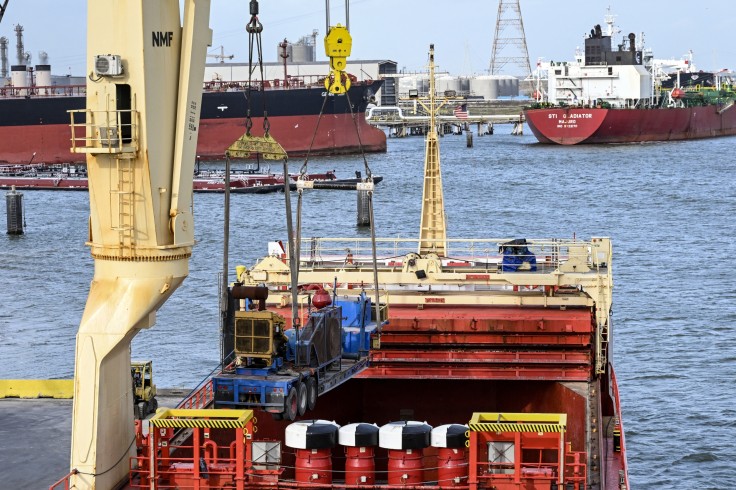
A New Financial Architecture for Venezuelan Oil
One of the central claims made by administration officials is that, for the first time in modern Venezuelan history, oil revenues are being directed away from corrupt or politically connected interests and toward the Venezuelan people themselves. Secretary Rubio stated that the proceeds from Venezuelan oil sales are now flowing into a U.S.-controlled account monitored by the Treasury Department and audited by accounting firm KPMG.
"The money is going to an account in the United States, controlled and monitored by Treasury, audited by KPMG, and it is for the first time ever — the money is not being stolen. It is going to the benefit of the Venezuelan people." — Secretary of State Marco Rubio
The administration also highlighted what it described as a historic stabilization of Venezuela's political and military landscape. Secretary of Defense Pete Hegseth noted that a U.S. SOUTHCOM commander had recently landed by helicopter at the U.S. Embassy in Caracas — welcomed by Venezuelan officials — as a symbol of the countries' new security partnership.
"You turned Venezuela from a sanctioned adversary into a strategic ally in 45 minutes. Never happened in history before." — Secretary Doug Burgum, Department of Interior
The Geopolitical Stakes: Energy, Security, and the Hemisphere
The Trump administration is framing the Venezuela partnership not merely as an energy transaction, but as a cornerstone of a broader hemispheric strategy. President Trump claimed at the Cabinet meeting that when combined with domestic U.S. production, the two countries together account for approximately 64% of the world's oil — a figure that, if accurate, would represent an extraordinary concentration of energy power in the Western Hemisphere.
"When you add Venezuela to it, we have, I think, 64% of the world's oil." — President Donald Trump
Secretary Hegseth tied the Venezuela energy partnership directly to U.S. domestic consumers, noting that Venezuelan crude flowing to Gulf Coast refineries is helping moderate gasoline prices — a politically sensitive issue given that prices have risen amid the ongoing Iran conflict and Strait of Hormuz tensions.
"Venezuela's a big part of securing our energy future and defending the homeland." — Secretary of Defense Pete Hegseth
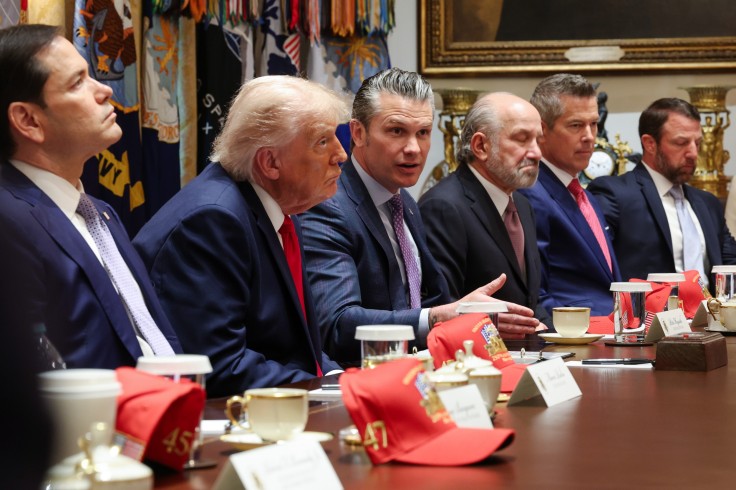
Venezuela has also been incorporated into what the administration calls the 'America's Counter-Cartel Coalition,' suggesting that the security dimension of the partnership extends well beyond oil. The administration's framing positions Venezuela as a new partner in combating drug trafficking and cartel activity across the region.
A Word of Caution: The Road to Recovery Is Long
Despite the optimistic tone from Washington, independent energy analysts have urged caution about how quickly Venezuela's oil sector can be meaningfully revitalized. Venezuela's oil infrastructure has deteriorated significantly after years of underinvestment, mismanagement, and sanctions. UBS analysts have warned that returning production to 3 million barrels per day could take as long as 15 years.
Still, for a country with the world's largest proven oil reserves that has seen its output fall by nearly 75% from its historical peak, even a partial recovery enabled by U.S. partnership and investment could represent a significant shift for both the Venezuelan economy and the broader Latin American energy landscape.
May 27, 2026 - Cabinet Meeting (Session Video)
Listen to Secretary of State Marco Rubio's full statement on Venezuela starting at 30:15.


© 2025 Latin Times. All rights reserved. Do not reproduce without permission.


