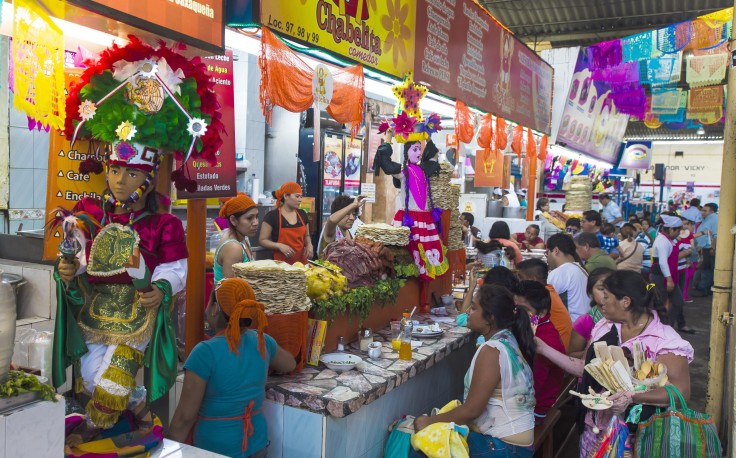
The 2026 World Cup organizers have spent years preparing the stadiums, the infrastructure, and the visitor experience. But Mexico's greatest asset needs no preparation at all. It has been perfected over centuries, passed down through generations, and served daily from street corners, market stalls, and family kitchens that most tourists never find. It is the food — and if you leave without trying these ten dishes, you will have missed the best part of the trip entirely.
Mexico City: Where the Capital Eats
1. Tacos al Pastor
No trip to Mexico City is complete without stopping at a taquería with a spinning trompo. The tacos al pastor trace their origin to the mid-20th century, when Lebanese immigrants introduced the shawarma — a preparation that was gradually adapted using pork marinated with dried chiles and local spices. The result: thin slices of achiote-rubbed pork shaved off a vertical spit, tucked into a corn tortilla, and topped with caramelized pineapple, onion, cilantro, and salsa. The culinary platform Taste Atlas rates them 4.6 out of 5 stars, placing the dish among the best in the world. They're sold morning to midnight across the city, from the Centro Histórico to Coyoacán to the Roma neighborhood.
2. Quesadilla de Huitlacoche
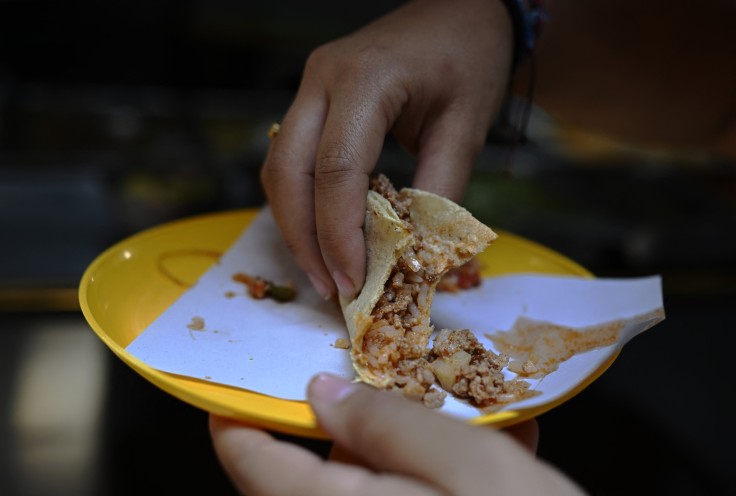
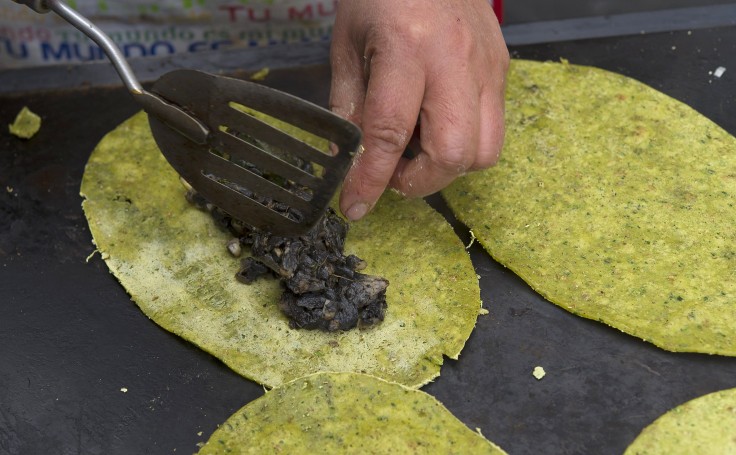
One of Mexico City's most singular street foods starts with something that looks nothing like a delicacy: a corn fungus. Huitlacoche (pronounced wheet-la-KOH-chay) is a parasitic fungus that grows on ears of corn during the rainy season, transforming the kernels into soft, ink-dark, mushroom-like clusters. While corn farmers in other countries destroy infected crops, Mexican cooks have treated it as a prized ingredient since the time of the Aztecs — earning it the nickname "Mexican truffle." Folded into a corn tortilla quesadilla with melted cheese, sautéed onion, and epazote, it delivers a flavor that is earthy, smoky, faintly sweet, and deeply savory all at once. The gray fungus turns jet black as it hits the comal, giving the quesadilla its characteristic dark filling. Find it at market stalls across the city, particularly in the historic center and Coyoacán — and order it without hesitation.
3. Tamales
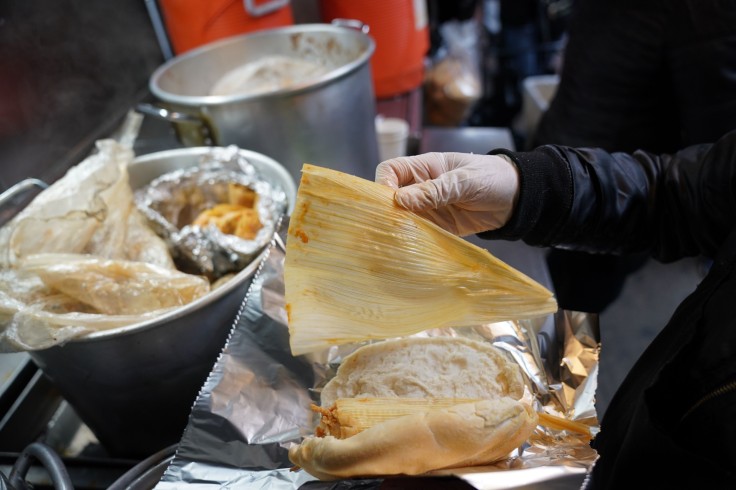
Pockets of masa filled with meats, vegetables, or fruits, wrapped in corn husks or banana leaves and steamed until soft — tamales are one of the most ancient foods still eaten daily in Mexico City. The classic local move is ordering one tucked inside a bread roll, a street-food combo known as a guajolota that locals swear by for early mornings. The green and red encuerado varieties are particularly popular in the capital: steamed in corn husks and then briefly fried in lard until crispy on the outside and pillowy within.
4. Tlacoyos
Oval-shaped and thick, tlacoyos are a pre-Hispanic antojito made with corn masa, stuffed with beans, fava, or chicharrón, cooked on a comal and topped with nopales, salsa, and crumbled cheese. Find them at city market stands, especially in neighborhoods like Escandón and Coyoacán, where vendors have been making them the same way for generations. They don't make it onto many tourist menus, but locals know exactly where to find the best ones.
Guadalajara: The Flavor Capital of the West
5. Torta Ahogada
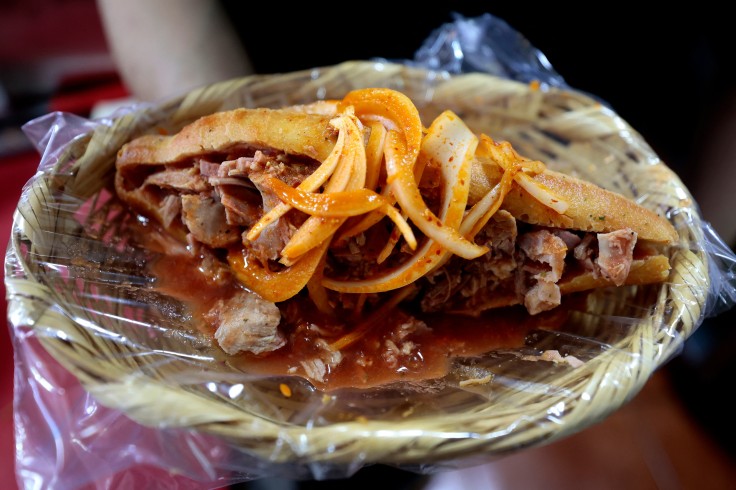
Guadalajara's most iconic dish is built around something no other city can replicate: the birote salado, a crusty salted roll whose particular texture comes from the city's altitude and local water. Filled with carnitas-style pork and drowned in a tomato and chile de árbol sauce, finished with pickled onion and a squeeze of lime, it's a dish so beloved that the city has an official municipal day dedicated to it. Eat it standing at a street stall near the Mercado San Juan de Dios for the full experience.
6. Birria
A slow-cooked meat stew — typically goat, beef, or lamb — prepared with a blend of chiles and traditional spices that yields deeply flavorful, tender meat. In Jalisco, the preparation often involves wrapping the seasoned meat in maguey leaves before a long, slow cook. Eat it as a stew, shredded in tacos, or as the now-famous birria tacos dipped in consommé before hitting the griddle. The neighborhoods around Guadalajara's historic center are filled with birrierías that have been perfecting their recipes for decades.
7. Carne en Su Jugo
Less famous internationally but deeply beloved by locals, carne en su jugo is beef cooked in its own broth alongside bacon, whole beans, and a touch of green salsa, traditionally served in clay bowls with fresh tortillas. It's the kind of dish that doesn't photograph well but stops every conversation at the table. Spot it in traditional fondas and family-run restaurants throughout the Tapatío neighborhoods.
Monterrey: The North's Grill Culture
8. Cabrito al Pastor
Few dishes carry as much cultural weight as Monterrey's cabrito. Its origin traces back to the Sephardic Jewish settlers who arrived during the colonial era and adopted the young goat as a substitute for lamb in their traditions — a way of preserving cultural identity quietly, at the table. The animal, raised only on its mother's milk for less than 40 days, is cooked slowly over mesquite wood, yielding a deeply smoky, tender meat unlike anything else. Each November, Monterrey hosts the Encabritados festival dedicated entirely to this dish, featuring different preparations alongside live music and cold beer.
9. Carne Asada Regiomontana
In Monterrey, the carne asada is not a meal — it's a ritual. The preferred cuts are arrachera, rib eye, and aguja norteña, all cooked over charcoal with nothing more than salt and lime, accompanied by cambray onions, guacamole, roasted potatoes, and handmade flour tortillas. Walk into any neighborhood on a weekend afternoon and chances are a family asado is already underway. In Monterrey, the parrilla is how you say welcome.
10. Machacado con Huevo
Machaca's origins go back to the necessity of preserving meat in the arid northern climate. In 1928, a woman known as "Tía Lencha" in the municipality of Ciénega de Flores combined that dried, shredded beef with scrambled eggs, tomato, onion, and chile piquín — and it quickly became the morning staple across the region. Served with freshly made flour tortillas and refried beans, it remains the definitive Monterrey breakfast. It's the kind of dish that earns its place not through spectacle, but through the comfort of a flavor that feels both ancient and entirely at home.
Mexico's tourism strategy for the World Cup aims to ensure that all three host cities offer visitors experiences that go far beyond the stadiums. A big part of that promise lives on the plate. The games will end, the final whistle will blow — but the food will be the part visitors keep talking about.

© 2025 Latin Times. All rights reserved. Do not reproduce without permission.


