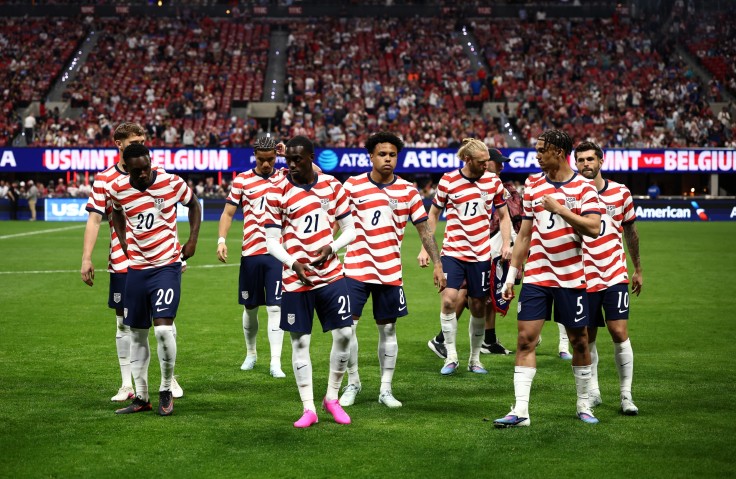
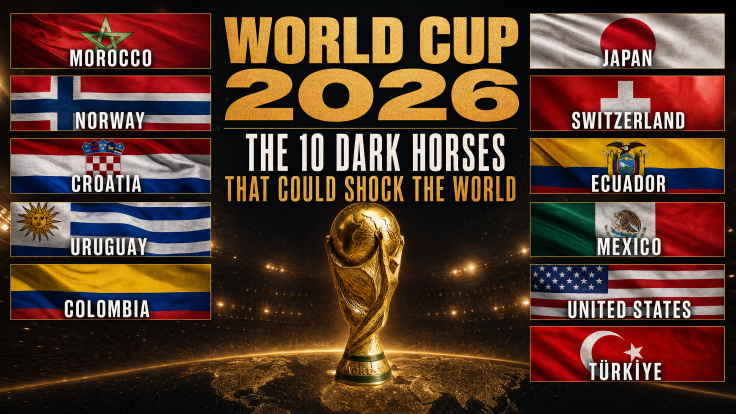
Forget the World Cup favorites for a moment. Every now and then the biggest soccer tournament in the world tends to produce a team that defies expectations, eliminates a giant and changes the expected script of the tournament. In 2026, with a record 48-team field and an expanded knockout stage, the conditions for a major surprise are stronger than ever.
This analysis ranks the ten dark-horse teams most capable of making that leap. Based on form, rankings, squad quality, tactical identity, coaching and tournament experience, these are the nations best positioned to turn potential into a breakthrough run on football's biggest stage.
Some will reach the quarter-finals. One or two could go even further. The challenge is identifying them before the rest of the world does.
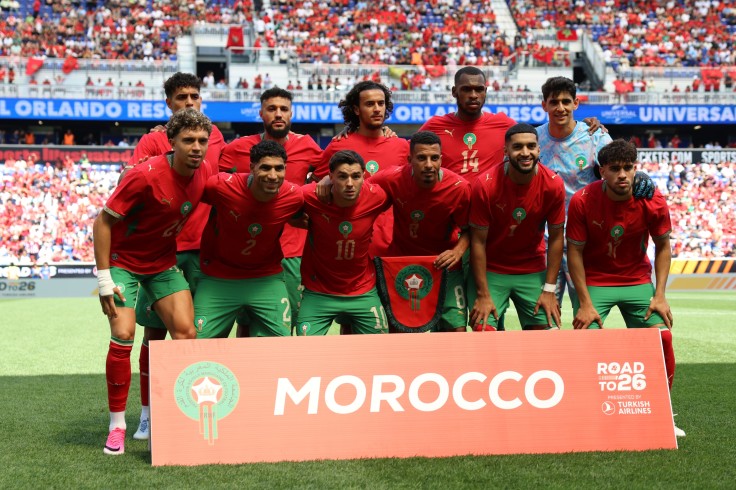
1. Morocco — the dark horse that no longer is one
Morocco arrive at 2026 in a position no African side has occupied: seventh in the FIFA ranking and carrying the tag of genuine contender. In Qatar 2022 they pulled off the continent's greatest feat by reaching the semifinals after eliminating Spain and Portugal — the most successful campaign in their World Cup history. Opta's supercomputer gives them an 88.8% chance of escaping the group and 10.3% of returning to the last four.
The 2022 core remains — Yassine Bounou, Achraf Hakimi, Noussair Mazraoui — now joined by a more creative generation: Brahim Díaz, Neil El Aynaoui and Abde Ezzalzouli. The challenge is mental rather than footballing: managing expectation under a new coach, Mohamed Ouahbi, after Walid Regragui left in March.
Why aren't they favorites? Historical hierarchy and a coaching change months before the tournament.
What can spring a surprise? An elite defense, world-class full-backs and the recent memory of beating giants.
Biggest strength? Defensive solidity and tournament mentality: they already know how to compete in a semifinal.
Biggest weakness? A cycle in transition and the pressure of no longer surprising from anonymity.
Which favorite could they eliminate? Any second-tier European side; in 2022 they already toppled Spain and Portugal.
2. Norway — the most feared return
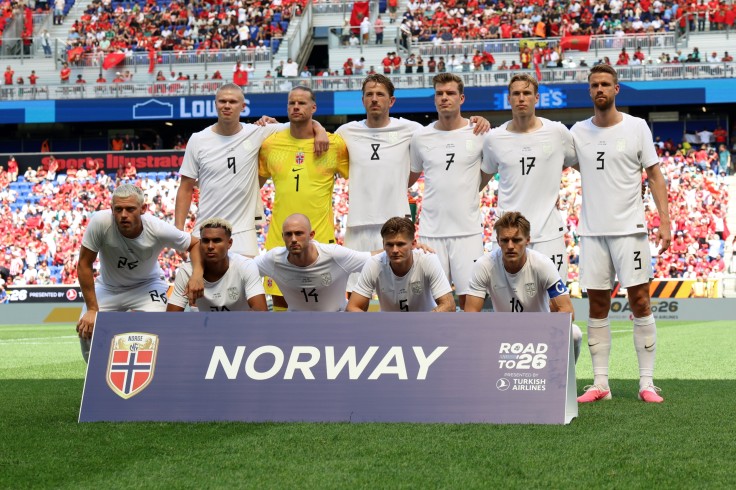
No absence felt longer: Norway return to a World Cup 28 years later (their last appearance was 1998). And they aren't tiptoeing back. They won all eight of their qualifying group matches with 37 goals, including a home-and-away thrashing of Italy (3-0 at home, 4-1 in Milan). The architect was Erling Haaland, who scored 16 goals in the group stage — matching Lewandowski's European record — and found the net in all eight games, with five in the 11-1 rout of Moldova and a hat-trick against Israel.
With Martin Ødegaard pulling the strings, Norway are the definition of a dark horse: armed with firepower no opponent wants to meet. The question is whether their defense and lack of tournament seasoning survive the step up in the knockout rounds.
Why aren't they favorites? A modest ranking and zero World Cup experience across an entire generation.
What can spring a surprise? The best No. 9 on the planet in red-hot form and a devastating attack.
Biggest strength? Cutting edge: 37 goals in 8 games speak for themselves.
Biggest weakness? Inexperience on the big stage and defensive doubts against top sides.
Which favorite could they eliminate? Anyone in a one-off: with Haaland, a single match is enough.
3. Croatia — the craft that never expires
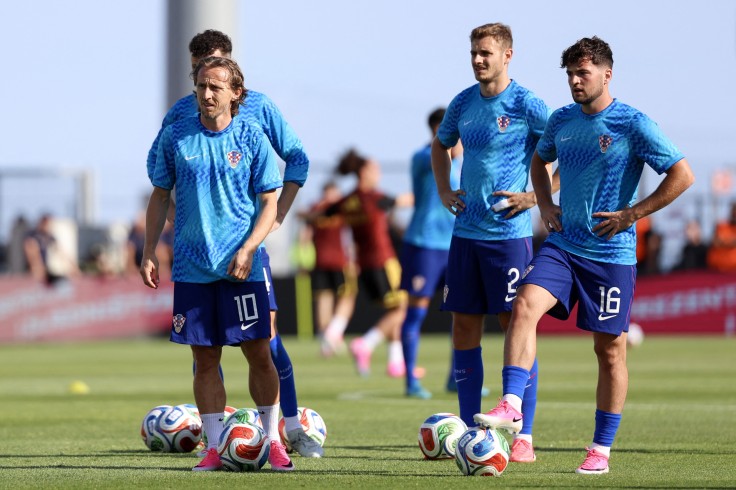
Runners-up in 2018 and third in 2022, Croatia have turned the upset into a habit. They won seven and drew one of their eight qualifiers. Captain Luka Modrić, the Ballon d'Or in 2018 winner, faces the tournament at 40 from AC Milan; alongside him are Mateo Kovačić and Joško Gvardiol (Manchester City) and Ivan Perišić (PSV Eindhoven). It is a veteran squad, less athletic than before, but with a collective intelligence few can match when matches tighten.
Why aren't they favorites? High average age and a cycle that looks to be in its final stretch.
What can spring a surprise? Knockout memory: they know how to win tight games and shootouts.
Biggest strength? Game control and competitive composure.
Biggest weakness? Physical freshness in a long, hot tournament.
Which favorite could they eliminate? Any giant in a knockout — their natural habitat.
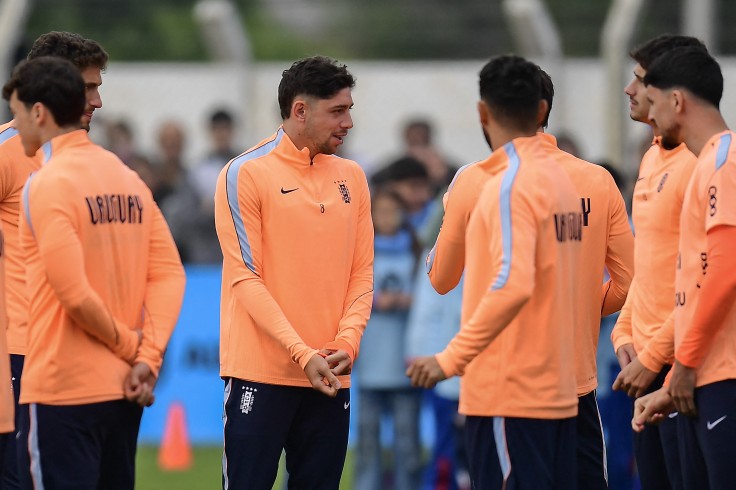
4. Uruguay — Bielsa and the return of charrúa fear
With Marcelo Bielsa on the bench, Uruguay rediscovered intensity, high pressing and a recognizable identity. They finished the brutal South American qualifiers among the direct qualifiers (24 points) and blend experience with a young, European-level core. The Bielsa stamp —pressure, verticality, aggression— makes them an uncomfortable opponent for any favorite, though their level can swing between the sublime and the erratic.

Why aren't they favorites? Inconsistency and the physical demands of Bielsa's model over a long tournament.
What can spring a surprise? A clear idea, top players and knockout DNA.
Biggest strength? Pressing and intensity; few enjoy facing Uruguay.
Biggest weakness? Fatigue and the emotional swings of the style.
Which favorite could they eliminate? Brazil or a European side in a high-tension tie.
5. Colombia — talent built for chaos
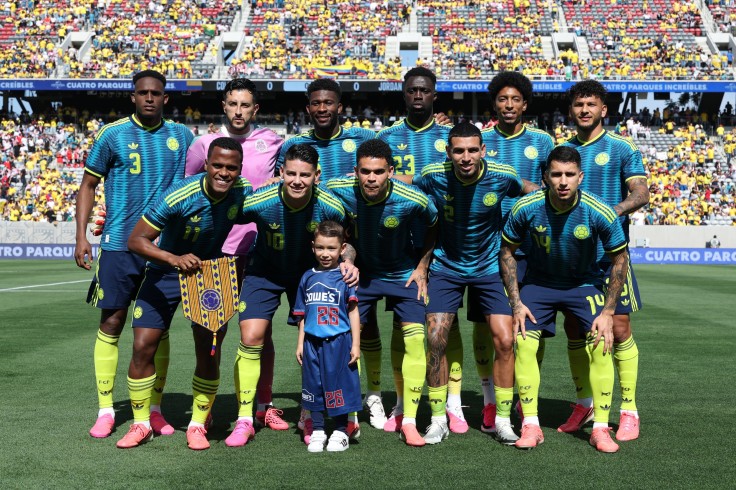
Colombia qualified in third place directly from CONMEBOL and, for much of the campaign, challenged Argentina at the top. They are a team built for the disorder the new format rewards: physicality, dribbling and individual flair. If they find consistency, their ceiling is high.
Why aren't they favorites? Inconsistency and finishing doubts in big games.
What can spring a surprise? One of the most talented squads in South America.
Biggest strength? Attacking flair and transition play.
Biggest weakness? Managing the emotion of the biggest matches.
Which favorite could they eliminate? England or the Netherlands in the last 16 or quarterfinals.
6. Japan — the giant-killers
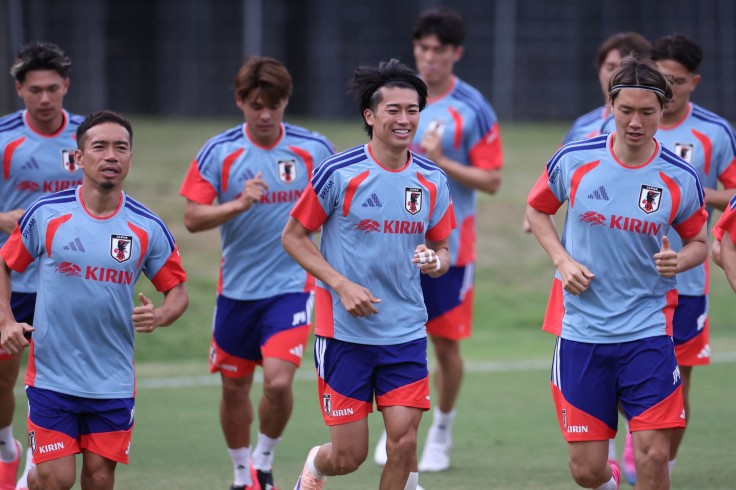
Japan were the first non-host nation to qualify (March 2025, with three games to spare). They are 18th in the FIFA ranking and playing their eighth consecutive World Cup. Under Hajime Moriyasu —at his second World Cup — they have beaten Germany, Spain and England, proof of a disciplined pressing block and rapid transitions. The blow is the injury loss of Kaoru Mitoma, their most creative player; the creative load now falls on Takefusa Kubo. Even so, a quarterfinal run is no fantasy.
Why aren't they favorites? A lack of deep-run pedigree and Mitoma's absence.
What can spring a surprise? A pressing system that has already floored three world champions.
Biggest strength? Collective organization, tactical discipline and pace.
Biggest weakness? Cutting edge in the final third without Mitoma.
Which favorite could they eliminate? Germany or Spain: they already did it in Qatar.
7. Switzerland — the perennial nuisance
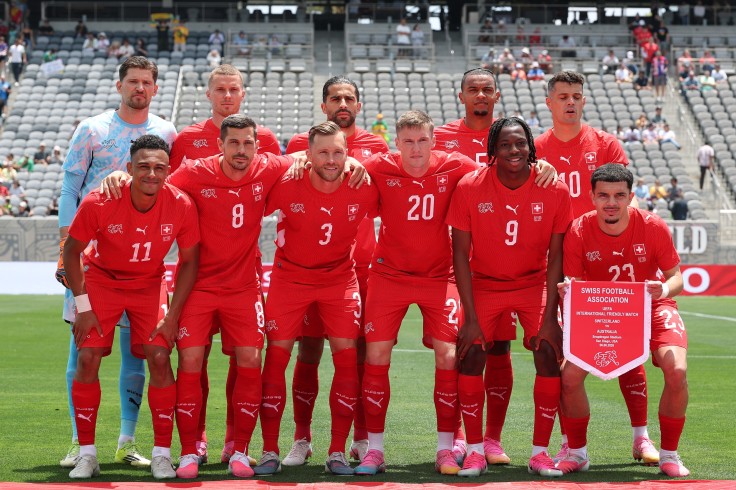
Switzerland are 19th in the FIFA ranking and reach their 13th World Cup. Murat Yakin took them to the last 16 in Qatar 2022 and took them to the Euro 2024 quarterfinals, where they knocked out holders Italy in the last 16 before losing to England on penalties. Granit Xhaka (145 caps, his fourth World Cup) is the team's heartbeat and Breel Embolo its top scorer. Without marquee names, they are the sleeper nobody wants in their group.
Why aren't they favorites? No world-class headline stars.
What can spring a surprise? Solidity, experience and a habit of eliminating big sides.
Biggest strength? A competitive block and tournament reliability.
Biggest weakness? A lack of decisive goals in key moments.
Which favorite could they eliminate? They already dumped Italy; any European side is within range.
8. Ecuador — Beccacece's wall
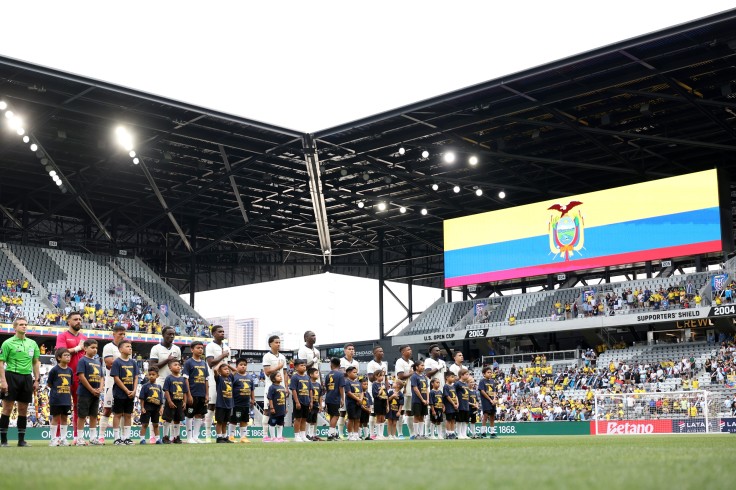
One stat defines Ecuador: just five goals conceded in 18 qualifiers, despite starting with a three-point deduction over the Byron Castillo case. Coached by Sebastián Beccacece, they boast one of the most reliable defenses in the field and will play their fifth World Cup with a young, physically powerful squad. For the first time, they dream of the quarterfinals.
Why aren't they favorites? Limited attacking punch and little experience in the latter rounds.
What can spring a surprise? A defense that is hard to break down.
Biggest strength? Organization at the back and athletic youth.
Biggest weakness? Creating chances and scoring.
Which favorite could they eliminate? A giant via a low block and counterattacks.
9. Mexico and the United States — the home factor
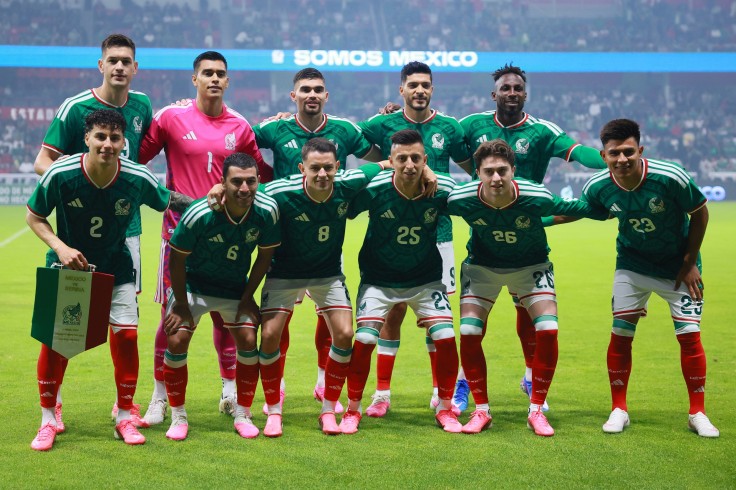
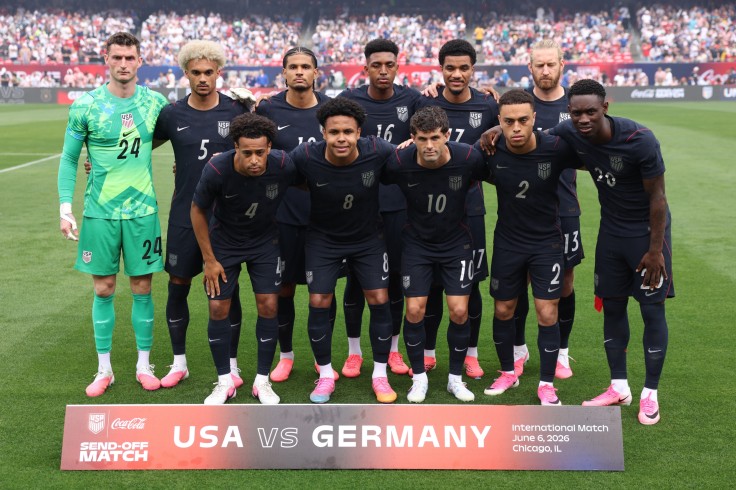
Hosts rarely win, but they tend to stretch their tournaments. Mexico, under Javier Aguirre, arrive boosted by their Nations League and 2025 Gold Cup titles and an unbeaten run featuring six clean sheets; they target a deep run at home. The United States, with Christian Pulisic (84 caps) and Folarin Balogun, lean on their midfield and dynamic full-backs to clear the group stage. Crowd energy and home logistics are advantages the models don't fully capture.
Why aren't they favorites? A historical competitive ceiling and doubts against top sides.
What can spring a surprise? Home soil, packed stadiums and zero intercontinental travel.
Biggest strength? The home factor and, for Mexico, a winning run.
Biggest weakness? The lack of a world-class goalscorer.
Which favorite could they eliminate? A European side in the last 16, with the stadium behind them.
10. Türkiye — the young threat
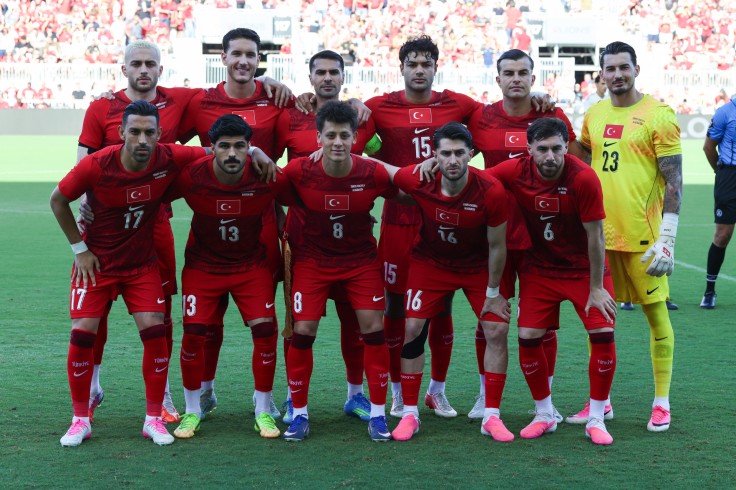
Türkiye ended a 24-year wait by winning their play-off on March 31: it is only their third World Cup appearance and the first since that third-place finish in 2002. The optimism centers on two gems, Arda Güler and Kenan Yıldız, with the experienced Hakan Çalhanoğlu (106caps) as captain. It is a rising project with an unknown ceiling and the freedom of a side that carries no expectations.
Why aren't they favorites? World Cup inexperience and a young core.
What can spring a surprise? Two of Europe's brightest emerging talents.
Biggest strength? Creativity and attacking fearlessness.
Biggest weakness? Inexperience under World Cup pressure.
Which favorite could they eliminate? A giant in a one-off if their youngsters catch fire.


© 2025 Latin Times. All rights reserved. Do not reproduce without permission.


