
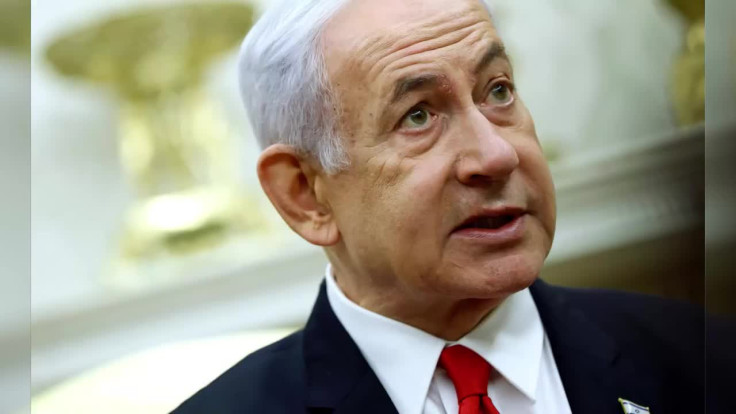
A court in Jerusalem has agreed to cancel testimony by Israel Prime Minister Benjamin Netanyahu in his ongoing corruption trial this week, marking the latest delay in a case that has stretched on for years amid regional instability.
According to local media, the Jerusalem District Court accepted a request from Netanyahu's legal team, who argued that "security and diplomatic" considerations prevented the Israeli prime minister from appearing in court as scheduled, according to local media reports.
Instead of Netanyahu's appearance, another witness is expected to testify, and at least one of the planned hearings has been canceled altogether. Prosecutors reportedly opposed the request, but the court ultimately sided with the defense.
The decision comes as Israel remains deeply engaged in high-stakes security and diplomatic activity across the Middle East. Netanyahu's lawyers have repeatedly pointed to the broader regional situation, including recent conflict dynamics and sensitive negotiations, as justification for postponing court proceedings.
Netanyahu's trial, which began in 2020, centers on charges of bribery, fraud and breach of trust tied to his relationships with wealthy businessmen and media executives. He has consistently denied all allegations, describing the case as politically motivated.
-
Democratic Presidential Hopeful Rahm Emanuel Breaks With Washington on Israel: 'No More U.S. Blood or Blank Checks'

-
Top Iranian Official Says U.S. Negotiations Won't Begin Unless Two Conditions Are Previously Met

-
"Is Israel Blackmailing President Trump?" Tucker Carlson Fires Back With Explosive Newsletter - FULL TEXT


The Israeli leader is the first sitting prime minister in the country's history to stand trial while in office, a legal and political reality that has complicated the proceedings. The case has faced multiple delays over the years, often linked to Netanyahu's official duties or national security developments.
This latest cancellation underscores the ongoing tension between governance and legal accountability in Israel, as the court balances judicial continuity with what officials describe as urgent state matters.
While the court's decision applies only to this week's testimony, it adds to growing uncertainty over the timeline of the trial, which has no clear end date and continues to unfold against the backdrop of regional conflict and political pressure.
© 2025 Latin Times. All rights reserved. Do not reproduce without permission.


