
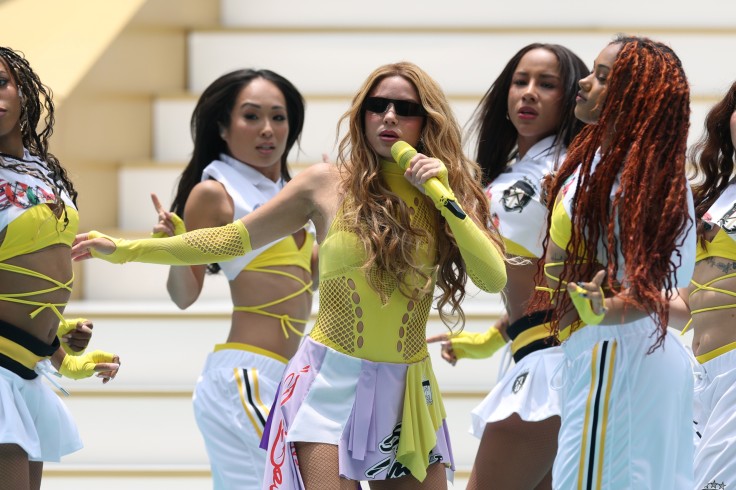
The World Cup 2026 inauguration at Estadio Aztecawas a vivid, musical celebration meant to usher in the biggest edition of the tournament, the first hosted across three countries, but its blend of folklore, pop and urban flavors felt at once ambitious and uneven. The ceremony featured an international lineup of Latin‑music stars, rooted in Mexican and pan‑American identity, yet at times it struggled to cohere into a single cultural statement.
The show opened with Maná and Lila Downs, setting a tone that moved from rock and traditional Mexican music to modern global pop. Downs, known for her fusion of folk and indigenous influences, provided a grounding, earthy kickoff that contrasted sharply with what came next, a spirited rendition of "Oye Mi Amor" from Maná that brought early energy to the big stage.
@lamusica.pe FIDA WORLD 2026 ⚽️‼️ @mana dio inicio a la apertura de inauguración del mundial 2026
♬ sonido original - JOHANN VALDIVIA
Throughout the ceremony, dancers and performers wore vibrant costumes that mixed folkloric references with modern flair. Jewel‑tone color schemes, bold patterns and choreography inspired by local traditions brought visual texture to the expansive stadium floor, even if the pacing at times felt brisk and rushed.
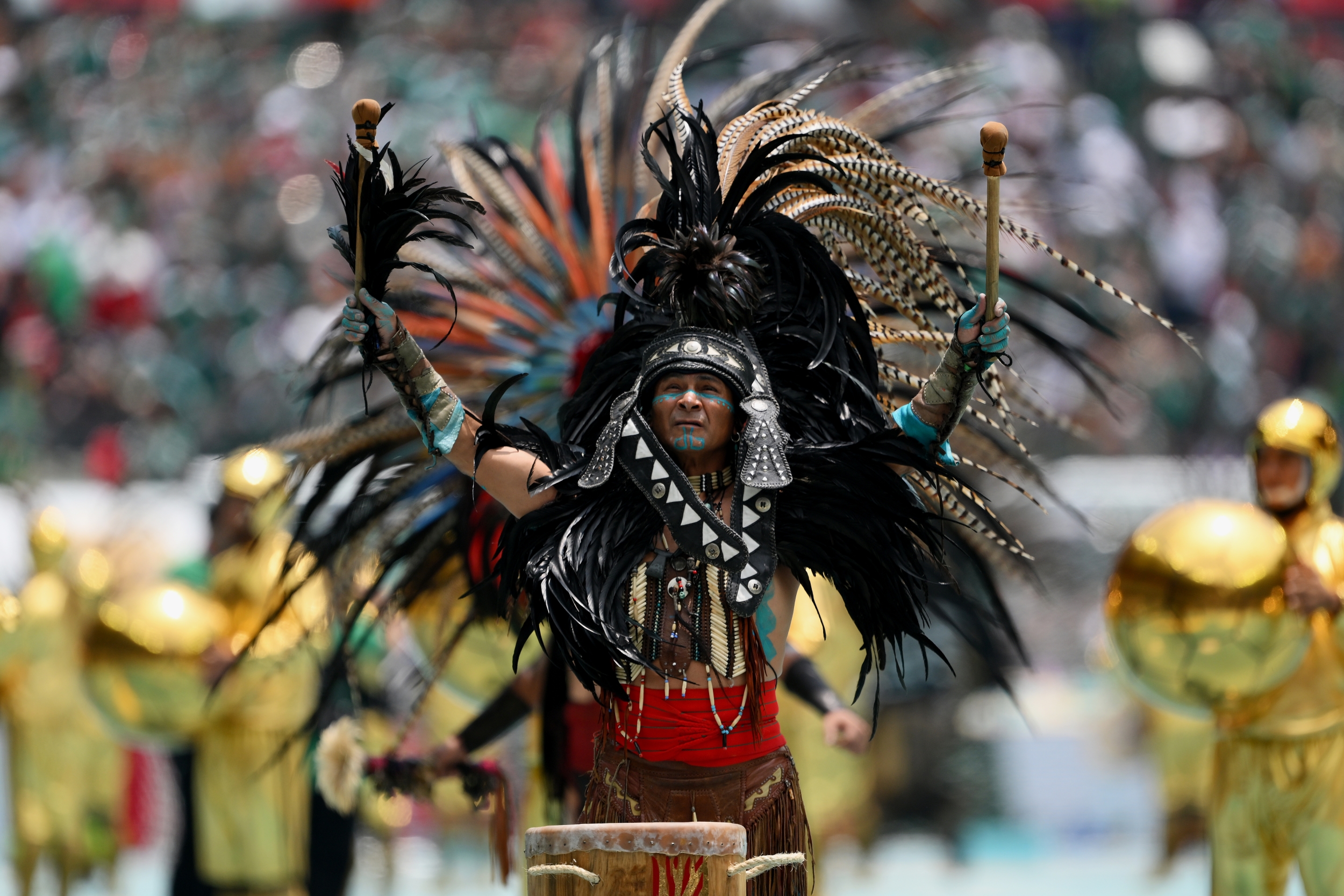
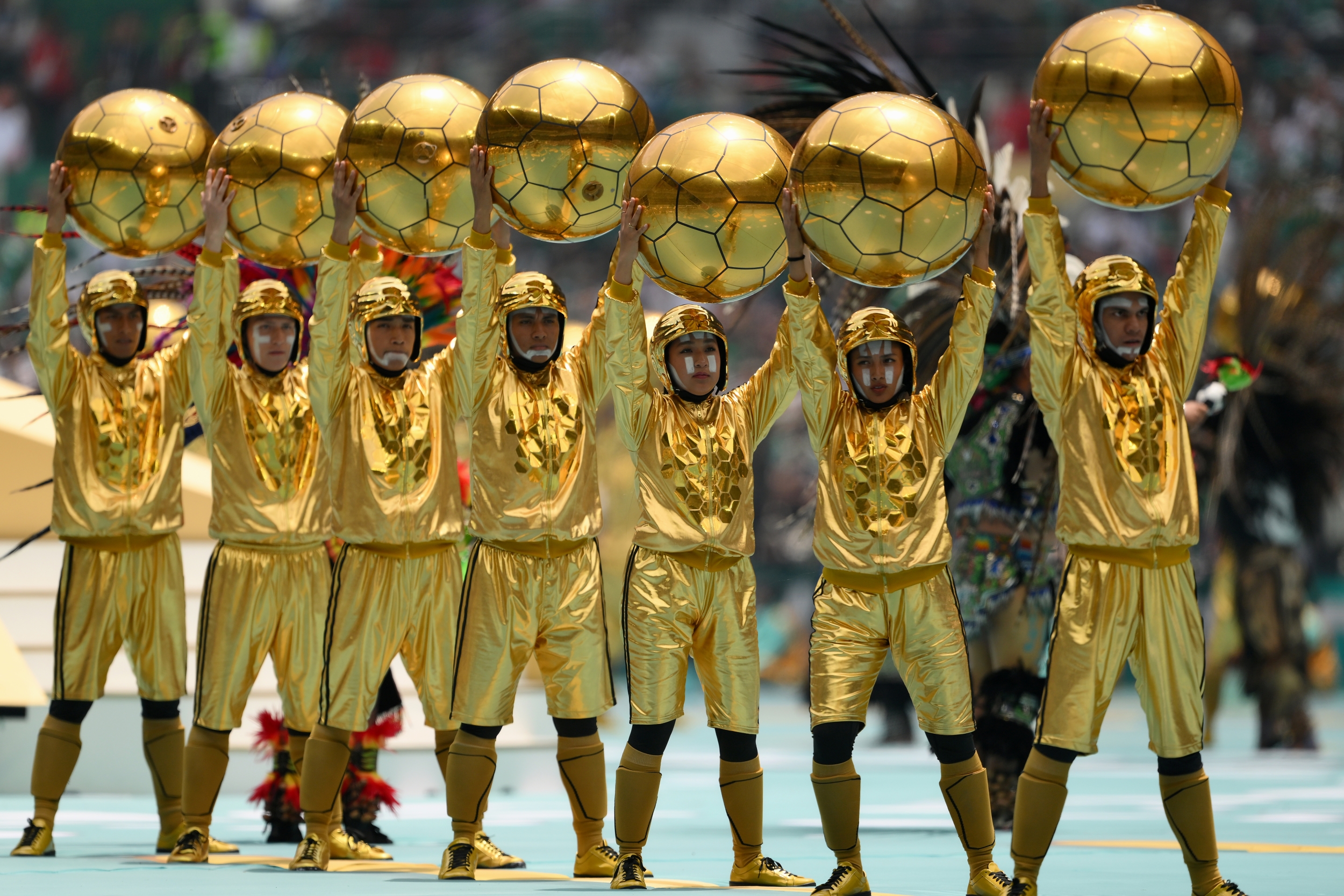
Among the most talked‑about performances were those that leaned into Mexican popular sounds: Los Ángeles Azules delivered their cumbia‑infused rhythms with living room‑filling enthusiasm, while Belinda appeared in a show‑stopping outfit, a bold fuchsia corset paired with jean‑style pants and sneakers,that seemed to playfully echo the golden hues of the World Cup trophy in its intent to glimmer under the stadium lights.
Belinda's outfit became one of the visual highlights for fans watching on broadcast and social media, mixing pop fashion sensibilities with the celebratory mood.
@lamusica.pe FIFA WORLD 2026 ⚽️‼️@Belinda y @angelesazulesmx cantaron “por ella” en la inauguración del mundial 2026
♬ Por Ella - Los Ángeles Azules & Belinda & FIFA Sound
The ceremony also wove in the global rhythms of reggaeton and urban music. J Balvin and Ryan Castro brought a slice of Medellín heat with tracks like "Q Calor" and "Uno a la Vez", and the crowd responded with enthusiasm to the familiar beats. Their set, alongside crowd‑pleasing remixes such as "I Like It Like That," highlighted how urban Latin music has become inseparable from global festivities of this scale.
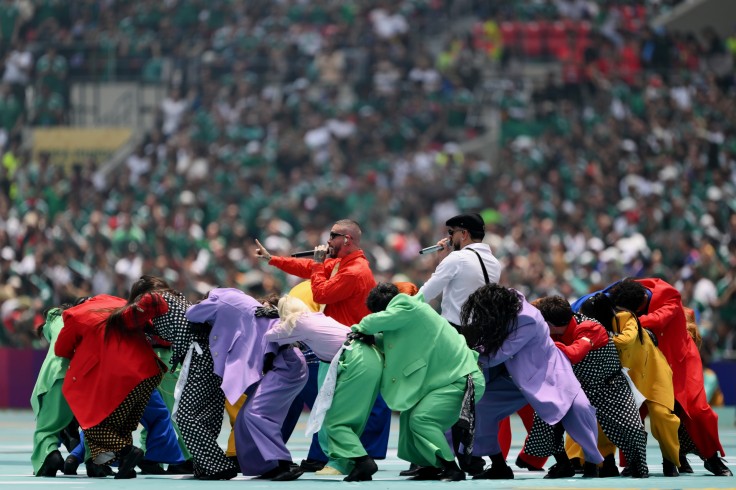
For Venezuelan audiences and diaspora, Danny Ocean was a meaningful presence. He performed "Partidazo," his contribution to the official World Cup 2026 album, bringing a melodic contrast to the heavier folkloric and rock moments. His presence — and the vino tinto color palette associated with his performance — stirred online conversation about cultural symbolism, even amid a broader, high‑energy mix onstage.
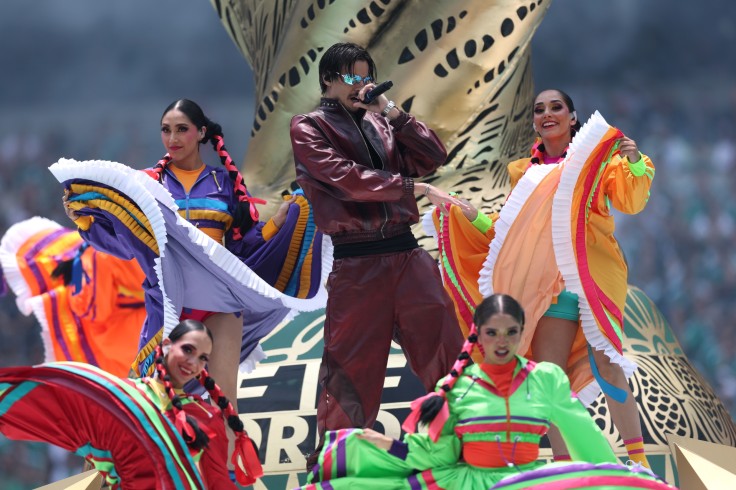
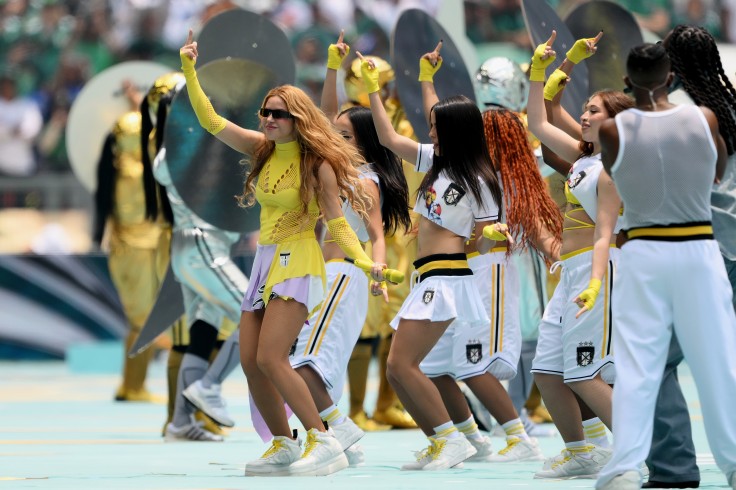
At the apex of the ceremony, Shakira and Burna Boy delivered "Dai Dai," the official song of the 2026 FIFA World Cup. The pair's performance brought Latin and African diasporic pop together, layering Shakira's long history with World Cup anthems with Burna Boy's rising global presence. That moment crystallized the show's attempt to position football not just as a sport but as a global cultural fusion.
Then ceremony leaned into global musical symbolism with Andrea Bocelli performing "DNA," the official FIFA World Cup 2026 anthem he recorded with DJ David Guetta, Megan Thee Stallion and EJAE, blending operatic vocals with electronic and contemporary flair, a rare crossover moment that aimed to evoke unity and emotion before the tournament truly began. Fans online immediately reacted to the pairing of Bocelli and EJAE, calling it a standout musical clash that felt more like a World Cup anthem than some of the pop performances, with flags and soaring notes giving "goosebumps" to parts of the crowd in the stadium
Salma Hayek Pinault's role was prominent and purposeful: FIFA tapped the Mexican‑born Oscar‑nominated actress as an official tournament ambassador, and she delivered a welcome message to spectators at the opening of the ceremony, reinforcing Mexico's cultural significance as co‑host of the first World Cup staged across three countries.
"It is my honor to welcome the world to Mexico City and to celebrate the uniting spirit of football as we begin the FIFA World Cup 2026," she said in Spanish.
@20m Salma Hayek da la bienvenida al Mundial de fútbol en el Estadio Azteca: "¡Qué viva México!" #salmahayek #mexico #futbolentiktok #estadioazteca
♬ sonido original - Periódico 20minutos - Periódico 20minutos
Despite the star power, a common critique among viewers was that the ceremony felt rushed and sometimes disjointed, like a playlist stitched together faster than it could truly breathe. For a tournament of this magnitude, a few viewers on social platforms described the flow as abrupt and the production values uneven, noting that standout moments struggled to connect into a single narrative arc.
Overall, the Mexico inauguration ceremony was as colorful and diverse as the continent it celebrates. From traditional influences and cumbia grooves to reggaeton heat and pop spectacle, it showcased a wide range of Latin America's musical voices. Whether it fully satisfied expectations for a global spectacle is up for debate, but it unquestionably stamped music and culture at the heart of the World Cup's kickoff.


© 2025 Latin Times. All rights reserved. Do not reproduce without permission.


