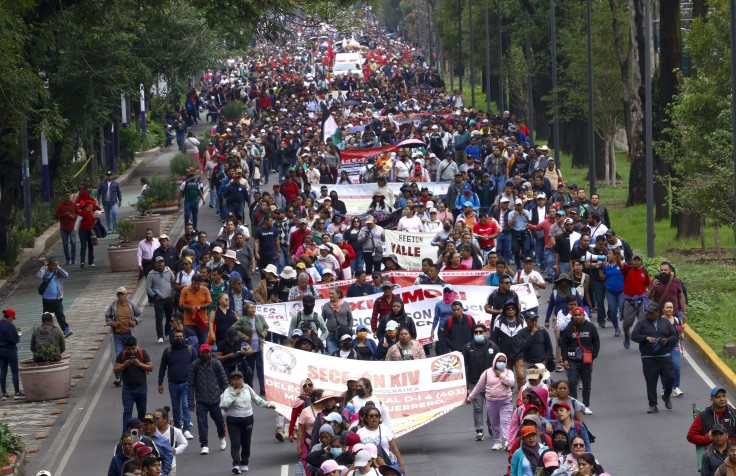
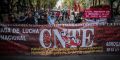
The night before the 2026 FIFA World Cup opening ceremony, as Mexico City prepared to welcome the world, another kind of gathering unfolded on one of its most trafficked avenues. More than 400 mothers, fathers and family members took over Calzada de Tlalpan — a major north-south artery in the southern part of the capital — carrying candles, framed photographs of missing relatives, and Mexican national team jerseys altered to display the faces of the disappeared. Their message was a question aimed at a nation in celebration: "La pelota vuelve a casa... ¿Y tú cuándo?" — "The ball is coming home... but when are you coming home?"
The march, called "Iluminemos la búsqueda" (Let's Light Up the Search), drew families from at least ten states across Mexico. It departed from the area near the Registro Federal light rail station and moved south toward the Estadio Ciudad de México, where the opening match between Mexico and South Africa was scheduled for the following day. Participants set up altars with photographs and marigold flowers, placed missing-person fliers on the pavement, and held a candlelight vigil — including, pointedly, a small pickup soccer game they called an "anti-World Cup cascarita" in solidarity with the disappeared.
A Crisis Decades in the Making
The movement known as madres buscadoras — searching mothers — has its roots in the surge of violence that accompanied Mexico's militarized drug war beginning in the late 2000s. As thousands of people vanished and official response remained inadequate, family members — overwhelmingly women — began organizing their own search brigades, digging through fields, ravines, and clandestine graves with their own hands. According to the National Registry of Disappeared and Unlocated Persons, Mexico currently counts more than 4,500 clandestine graves where over 6,200 bodies and 4,600 human remains have been found, and the number of unidentified remains has grown from 52,000 in 2021 to approximately 72,000 by 2026.
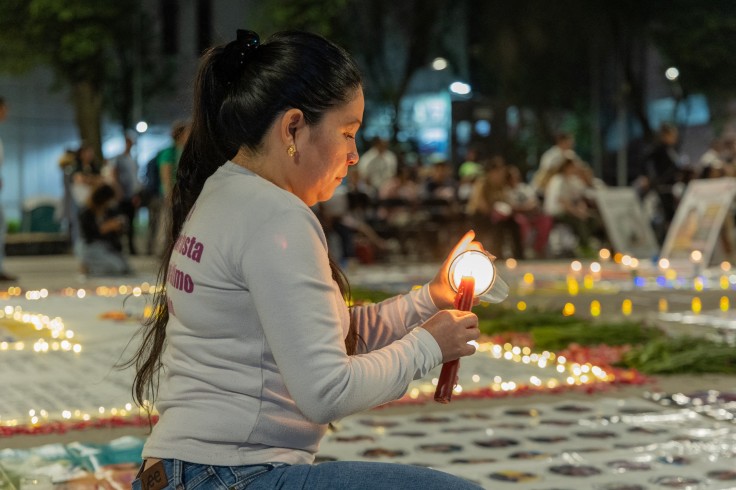
The total count of disappeared and unlocated persons in Mexico stands at over 133,000, according to figures cited by the collectives in their most recent reports. Families who gathered on Calzada de Tlalpan on June 10 came from states including Guanajuato, Sinaloa, and Mexico City itself, representing collectives like Hasta Encontrarles CDMX, Una Luz en el Camino, and others that have become pillars of the national movement.
Tension With Authorities
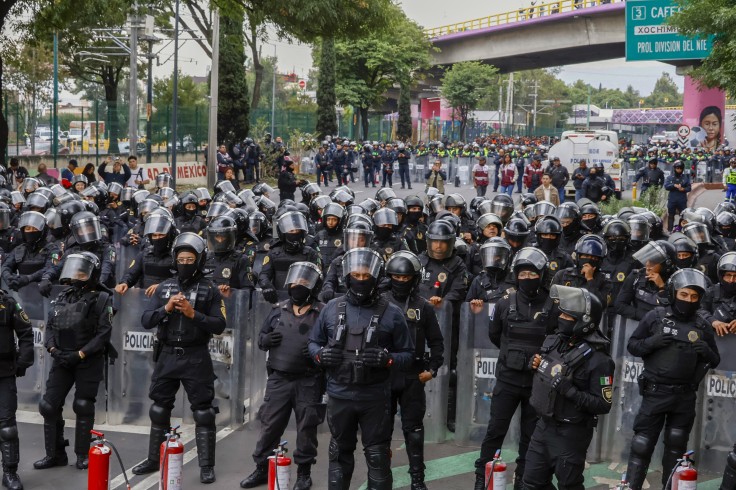
During the march, security forces from Mexico City's Public Safety Secretariat formed a perimeter that blocked the contingent from advancing toward the stadium, leading to tense standoffs. One of the city's top security officials stated publicly that the protests would not reach the stadium — a comment that drew sharp criticism from the families and human rights observers present. At least one mother was filmed kneeling before police officers, pleading to be allowed through.
In a separate flashpoint in the days prior, President Claudia Sheinbaum called on the Mexico City government to explain why search fliers placed by collectives near the stadium had been removed by venue personnel. Collectives and families accused Sheinbaum of minimizing the crisis, questioning why protests continue if her administration insists the problem is being addressed. "Instead of dismissing us, the President should ask herself why we keep taking to the streets," one collective statement read.
International Scrutiny
The march comes as Mexico's disappearances crisis has drawn unprecedented international attention. In April 2025, the United Nations Committee on Enforced Disappearances activated a process specifically targeting the situation in Mexico. The UN body further raised the possibility that the scale of disappearances could constitute a crime against humanity — a characterization the Sheinbaum administration rejected.
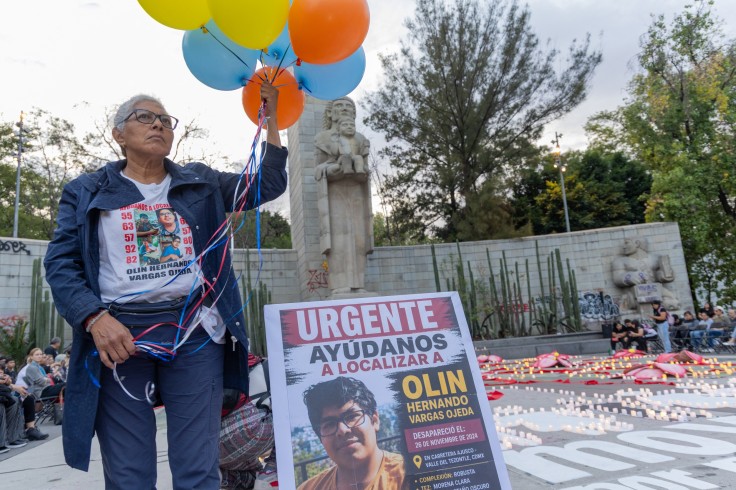
For the families who walked Calzada de Tlalpan with veladoras in hand, the World Cup presented not a contradiction but an opportunity: a rare moment when the world was already watching. One searching mother told reporters: "We are not against sports, but billions of pesos have been spent on a World Cup party while we have 133,000 disappeared, most of them taken by organized crime." The families announced they would return the following morning — the day of the opening ceremony — to keep their vigil visible.

© 2025 Latin Times. All rights reserved. Do not reproduce without permission.


