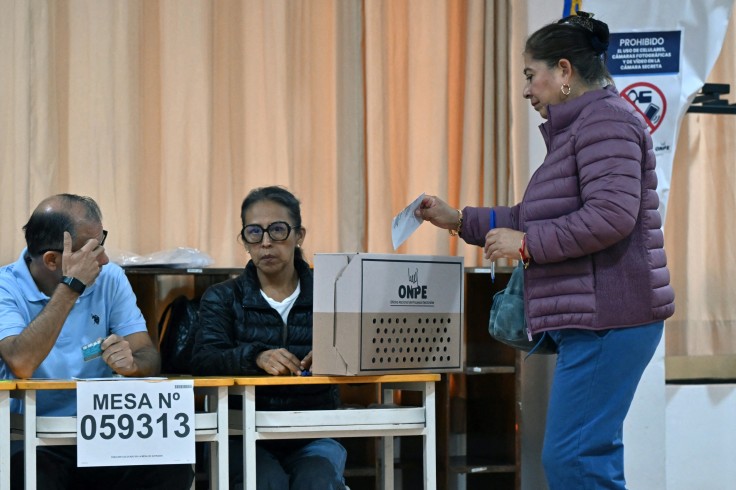
Peru returned to the polls today, Sunday, June 7, 2026, with more than 27 million citizens called to choose the next president between Keiko Fujimori of Fuerza Popular and Roberto Sanchez of Juntos por el Peru. The winner becomes Peru's ninth head of state in roughly a decade and will be sworn in on July 28 to replace interim President Jose Maria Balcazar.
Poll hours and when results will be published
Voting runs nationwide from 7:00 a.m. to 5:00 p.m., with centers opening at 6:00 a.m. so poll workers can set up. Anyone inside a center by closing time can still vote. The first activity came overnight — the first table was installed at 5:35 a.m. in Bellavista, San Martin — while abroad, Peruvians in New Zealand were the first in the world to vote.
Results arrive in stages tonight. The earliest signal is the flash electoral (exit poll by Ipsos), released around 5:00 p.m. as polls close — a first snapshot, not an official result. Next, ONPE begins publishing its official count from 6:00 p.m. at resultadoelectoral.onpe.gob.pe. Then comes the quick count (conteo rapido), a non-official projection expected between 8:00 and 9:00 p.m. Any figure circulating before tables close is not a real result, and the definitive proclamation belongs solely to the JNE, expected in the first days of July 2026. In a race this tight, the official tally — not tonight's projections — will likely decide it.
How the day has progressed, and suffrage obstruction
The day's recurring problem echoes April's chaotic first round: opening delays. The day began with reports of delays at some centers due to absent poll workers and late delivery of electoral material. Specific Lima hotspots flagged this morning: the Rosa de Santa Maria school in Brena saw delays from missing setup supplies; some tables at the Universidad de Lima in Surco still lacked material; and at the Universidad Nacional Mayor de San Marcos, only about 15 of 100 tables had opened at one point.
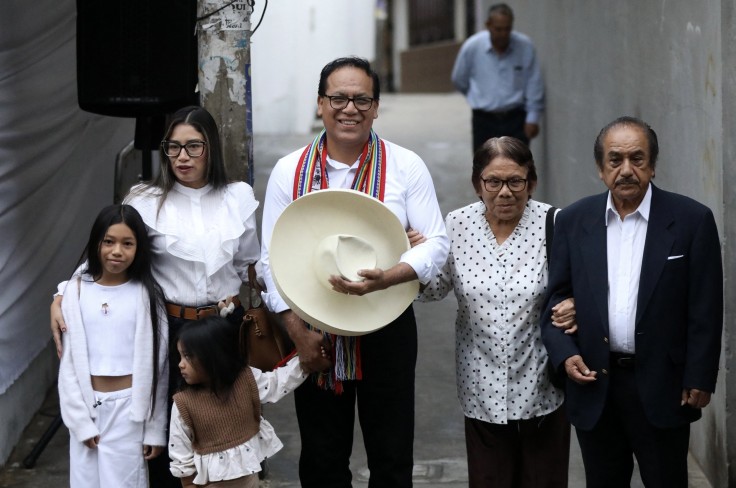
On disinformation, the JNE rejected social-media claims of a coordinated fraud between electoral bodies and the state, warning that unproven accusations damage democracy. Both candidates held the traditional "electoral breakfast" — Sanchez in Huaral, Fujimori at a communal kitchen in San Juan de Lurigancho.
Security measures and where to be more mindful
The government mounted a heavy operation. The Armed Forces deployed around 45,000 troops nationwide, and the Armed Forces and National Police are guarding voting centers, ballot boxes and electoral material. Oversight is wide: more than 28,000 inspectors and 587 international observers from 23 missions are participating, and a nationwide "dry law" bans alcohol from 8:00 a.m. Saturday until 8:00 a.m. Monday.
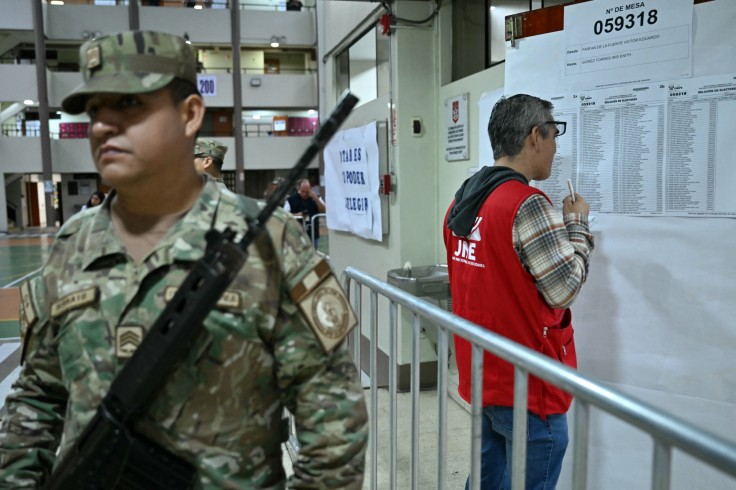
ONPE reassigned 356 tables nationwide and urged voters to check their location first; tables at the Universidad Nacional Enrique Guzman y Valle (La Cantuta) and the Universidad de Ucayali were moved due to internal problems. Verify yours at consultaelectoral.onpe.gob.pe. Today's slow openings (San Marcos, Universidad de Lima, Brena) deserve extra time, as do April's trouble spots — Jesus Maria, Lince and Miraflores, where some tables ran in open spaces under tents.
What's at stake and what polls found to date
This caps years of turmoil — repeated clashes between presidents and Congress and frequent leadership changes, nine presidents in ten years. Fujimori campaigns on "Peru with order," promising to "defeat terrorism" and stabilize the economy; Sanchez promises anti-poverty measures and police reform, moderating his message toward an open-market economy. The backdrop is hard: GDP growth of 2.8% in 2026 and poverty above 33%, with crime (63%) and corruption (62%) topping voter concerns. The winner faces a fragmented Congress and a restored Senate.
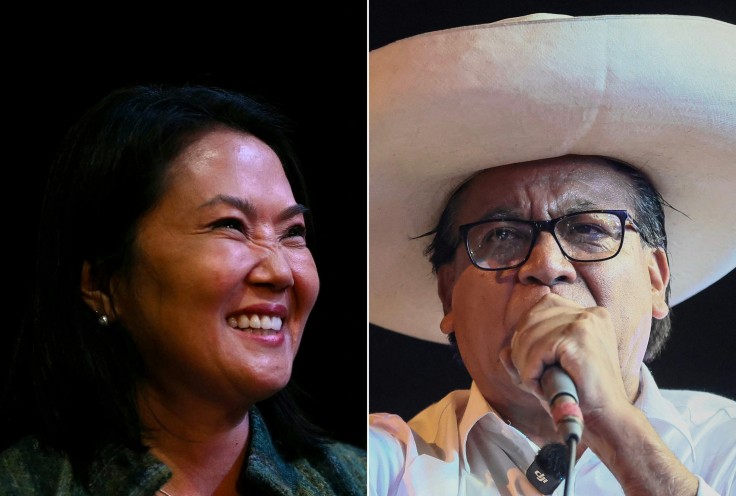
A statistical dead heat. With polls banned in the final week, the last legal surveys are the freshest read: the May 31 Ipsos poll had Fujimori at 38% and Sanchez at 35%, with about 15% undecided, while Datum put Fujimori at 39.5% to Sanchez's 36.1%, within the margin of error. One wild card: over seven million Peruvians skipped the first round despite mandatory voting — a bloc large enough to swing a race this close.


© 2025 Latin Times. All rights reserved. Do not reproduce without permission.


