
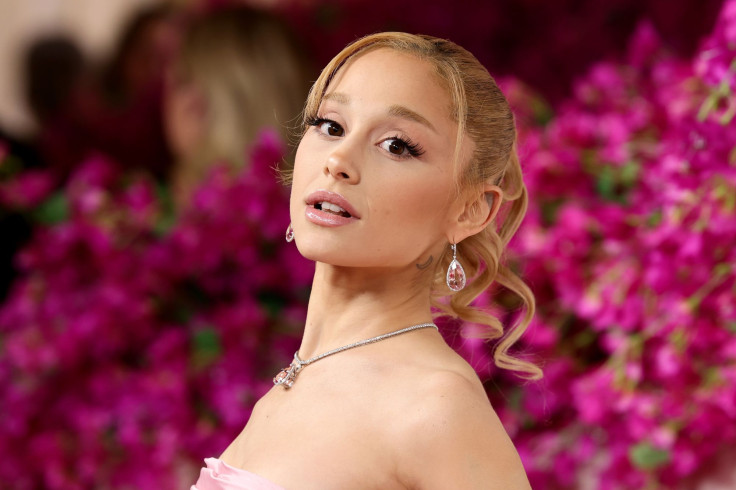
Ariana Grande is the latest celebrity to clash publicly with the Trump administration after the White House used one of her songs in a social media video promoting immigration enforcement operations.
The dispute began when the White House posted a TikTok video showing Immigration and Customs Enforcement (ICE) agents detaining and arresting migrants. The video was set to Grande's 2024 song "Bye" and featured the caption: "Bye-bye. President Trump has delivered the most secure border in history."
Grande quickly responded in the comments section, condemning the use of her music.
"Please do not ever use my music in relation to this barbaric, inhumane, heinous nonsense," the singer wrote.
The White House used Ariana Grande’s music over an ICE arrest video.
— ViralMind (@ViralMindLive) June 12, 2026
Ariana said don’t ever attach her songs to that “inhumane” nonsense.
They wanted a pop soundtrack for handcuffs.
She gave them a public slap instead. pic.twitter.com/ScmqQCQri5
Shortly afterward, the audio was removed from the video, though the post itself remained online.
The White House, however, did not retreat from the broader message. In a statement to Reuters, White House spokeswoman Abigail Jackson defended the administration's immigration policies and responded directly to Grande's criticism.
"We'll say this one last time: what's actually barbaric, inhumane, and heinous are the criminal illegal aliens who have injured and murdered innocent American citizens," Jackson said.


The exchange is the latest example of the Trump administration's increasingly aggressive use of social media to promote immigration enforcement. Official White House accounts have repeatedly paired viral music tracks with videos highlighting deportations, border security operations and ICE arrests, often drawing backlash from artists whose songs are featured.
Grande has been a longtime critic of Trump and has spoken out repeatedly against ICE operations and deportation policies. In recent years she has publicly supported immigrant rights campaigns and participated in anti-ICE advocacy efforts.
She is also far from the only musician to object to the administration's use of popular songs. Sabrina Carpenter, SZA, Jess Glynne, Kenny Loggins and several other artists have publicly criticized the White House after their music appeared in videos promoting immigration enforcement or other political messages.
The latest dispute underscores the growing battle between artists seeking to control how their work is used and political figures eager to harness popular culture to amplify their message. While the White House removed Grande's song from the video, its response made clear the administration has no intention of backing away from either its immigration policies or its social media strategy.
© 2025 Latin Times. All rights reserved. Do not reproduce without permission.


