
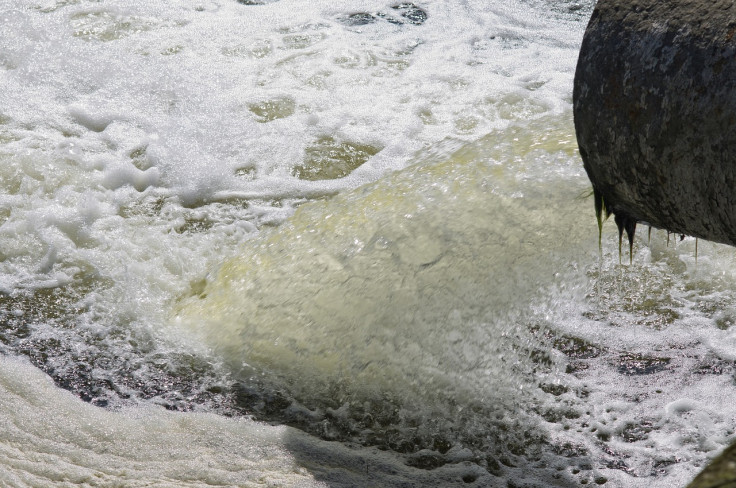
The San Diego Regional Chamber of Commerce released a report with what it described as a binational roadmap to tackle the sewage crisis stemming from the polluted Tijuana River.
Border Report detailed that the document proposes a "five-pillar framework designed to eliminate dry-weather transboundary sewage flows, while restoring coastal-water quality, and accountable, sustainable wastewater management in the region."
It goes on to highlight that the International Wastewater Treatment Plant, which deals with polluted waters coming from the Mexican part of the river, has been underfunded for over a decade while dry-weather sewage events reached new records.
In this context, it outlines the different ways in which treatment can be improved, including having reliable funding for infrastructure, a better maintenance program, one for ensuring proper oversight, and long-term water management, reuse and planning.
With billions of gallons of untreated sewage contaminating the river, local and state authorities have attempted multiple measures to address the problem. Last December, the United States and Mexico signed an agreement aimed at curbing the pollution flowing into the Tijuana River, including infrastructure upgrades and other steps to contain the crisis.
As part of that agreement, Mexico also announced the installation of a new trash boom in the Tijuana River Valley to capture debris before it crosses into the United States.
Beyond the construction of treatment plants on both sides of the border, Mexico has installed trash booms along the river to prevent debris from entering U.S. territory. According to Border Report's Salvador Rivera, Mexican authorities now planning to install a 450-foot trash boom inside U.S. territory to capture debris during storms.
Several beaches in San Diego have remained closed for years as sewage from Tijuana continues to make coastal waters unsafe. The ongoing conditions prompted California gubernatorial candidate Katie Porter to visit the Tijuana River Valley this week, where she said she would declare a state of emergency if elected governor.

© 2025 Latin Times. All rights reserved. Do not reproduce without permission.


