
With less than 100 days until the 2026 World Cup kicks off in North America, authorities in Canada, Mexico and the United States continue working to finalize the last details of what is expected to be the largest sporting event in history.
One of the main concerns for the host countries is security.
On that front, two Pentagon special operations officials warned that cartel violence in Mexico poses a significant risk to U.S. citizens living in the country, as well as to tourists visiting and expected to travel there during the summer.


Derrick Anderson, assistant secretary of defense for special operations and low-intensity conflict, and Adm. Frank M. Bradley, commander of U.S. Special Operations Command, delivered joint testimony before the House Armed Services Subcommittee on Intelligence and Special Operations this week. There, they argued that cartel-related violence poses "persistent security challenges" in the region as all three North American countries prepare to host this year's men's World Cup.
"Recent publicity and perceived increase of U.S. support to counter-cartel operations in Mexico raise concerns of risk to U.S. citizens, particularly as Mexico prepares to host thirteen World Cup 2026 games this summer and four qualifying matches in late March," the joint statement said, as reported by Infobae México.
The warning came after the U.S. Embassy in Mexico on Feb. 25 lifted travel restrictions for American citizens in certain parts of the country, a measure that had been put in place following a Feb. 22 operation that resulted in the death of Rubén Oseguera Cervantes, known as "El Mencho," leader of the Jalisco New Generation Cartel (CJNG).
In their written testimony, the U.S. officials highlighted the role of American special operations in combating transnational criminal organizations in the Americas and extended a formal offer of cooperation to Mexico's armed forces.
"We commend their recent effectiveness and remain prepared to provide Special Operations Forces support to Mexican military and security forces to dismantle narco-terrorist organizations," they said.
Currently, the State Department advises Americans traveling to Mexico to exercise increased caution due to terrorism, crime and kidnapping.
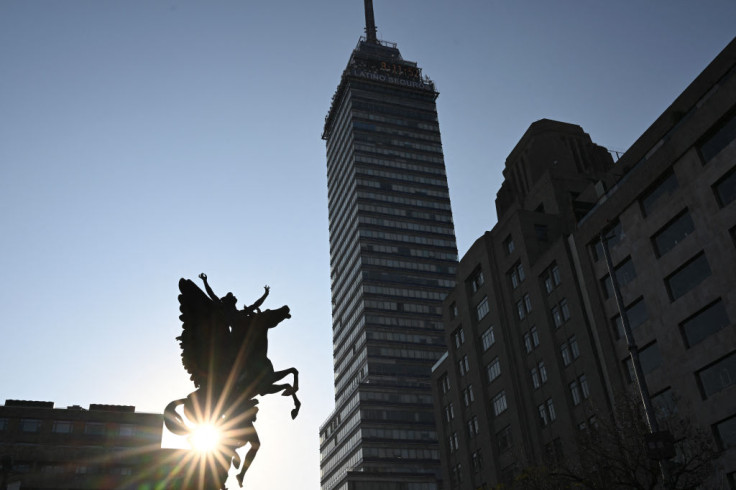
This summer, Mexico will host more than a dozen matches of the 2026 World Cup across three stadiums in Mexico City, Guadalajara and Monterrey.
The State Department's travel advisory includes a Level 4 "Do Not Travel" warning for six Mexican states, including Sinaloa and Tamaulipas, two hubs of cartel violence. Jalisco, which will host several matches, is currently under a Level 3 "Reconsider Travel" advisory, while Mexico City and the state of Nuevo León are at Level 2.


© 2025 Latin Times. All rights reserved. Do not reproduce without permission.


