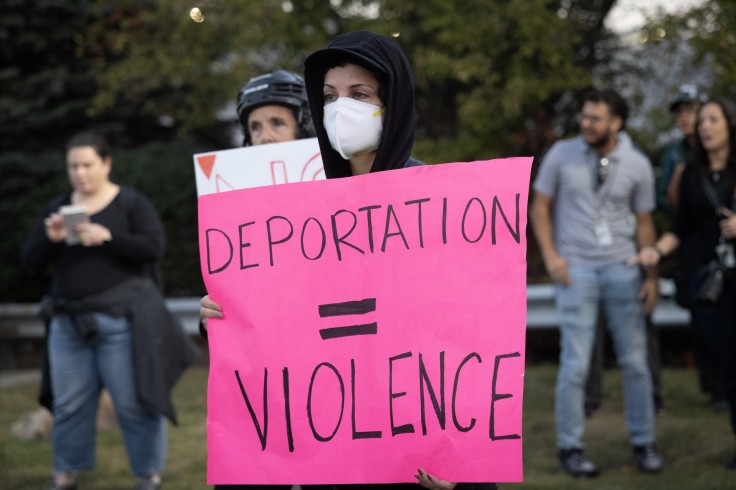
Knowing that a tense political climate causes stress is nothing new for the Hispanic community in the United States; it is a lived, daily reality. However, recognizing how that environment actively impacts your body and mind is the first step toward dismantling its effects.
Studies show what two decades of science teach us about protecting your mind and body from environmental anxiety: public discourse surrounding immigration directly correlates with a sharp increase in psychological distress among U.S.-born individuals of Hispanic descent. This creates a biological state that can ultimately weaken the immune system and impact cardiovascular health.
The Myth of "Personal Weakness" vs. Scientific Data
A landmark Stanford University study published in the Proceedings of the National Academy of Sciences (PNAS) established that this hostile public rhetoric directly impacts second, third, and fourth-generation U.S. citizens who face no direct legal risks of deportation.

The utility of this data is profound: It proves that the persistent distress, anxiety, or alertness you might feel is not an individual vulnerability or an overreaction. It is a documented biological response to an external environment.
This is a crucial shift: we move from viewing the struggle as a "personal weakness" to understanding it as a reaction to an "environmental stressor."
The Anatomy of "Compounded Stress"
In September 2025, the American Psychological Association's (APA) Monitor on Psychology detailed the anatomy of this phenomenon, calling it "compounded stress." Unlike standard, everyday tension, it is an accumulation of public policy debates and social pressures that stack on top of normal life challenges, quietly draining the body's resources. The result, when daily stressors combine with hostile public discourse, is a state of systemic exhaustion.
This matters for long-term health far beyond emotional discomfort. Two decades of public health data published in PNAS (April 2024) show that sustained environmental anxiety keeps the body's nervous system on permanent alert, elevating cortisol levels — disrupting sleep and digestion, weakening immune defenses, and increasing cardiovascular risks over time.
While you cannot always change the national political climate before going to bed, public health data demonstrates that understanding these mechanisms allows individuals to actively intercept the biological toll of compounded stress, shifting from helpless awareness to proactive health strategies.
Strategies for Active Resilience
Confronting this environmental stress requires treating mental health as a form of active resilience. Clinical frameworks suggest that one of the most effective ways to lower cortisol levels is to consciously "de-internalize" the blame: recognizing that the nervous system is simply having a normal reaction to an abnormal, hostile environment.
Furthermore, because environmental anxiety thrives on uncertainty and isolation — which the American Psychiatric Association links directly to depressive symptoms — reclaiming control often involves substituting media speculation with verifiable facts and seeking community support.
Available Support Resources:
For those looking to establish a baseline of real-world rights, United We Dream offers objective legal resources through one of the country's most trusted immigrant advocacy networks. For culturally competent mental health support tailored to these exact systemic pressures, several specialized organizations are available: NAMI en Español, Therapy for Latinx, and Open Path Collective.
From Vulnerability to Control
Ultimately, these two decades of scientific and psychological data offer something vital to the community: validation. The anxiety, hyper-vigilance, and physical fatigue felt by so many are not imaginary, nor are they a personal failure to cope; they are measurable, biological responses to a heavy social climate.
By stripping the political rhetoric of its power to cause internal blame, this evidence flips the narrative. The community is no longer just absorbing the impact of a harsh environment: armed with the facts of how this stress operates, individuals now hold the framework necessary to protect their bodies, guard their minds, and actively reclaim control over their own well-being.

© 2025 Latin Times. All rights reserved. Do not reproduce without permission.


