

The United States and Iran are moving toward signing a memorandum of understanding or letter of intent that could open the door to a broader agreement on Iran's nuclear program, according to sources familiar with the negotiations cited by CBS News.
The preliminary document, which could be signed as early as next week, would trigger an initial 60-day negotiating period to work out the details of a longer-term accord.
The framework under discussion would require Iran to halt uranium enrichment for 15 to 20 years, dismantle its nuclear facilities and allow inspectors from the International Atomic Energy Agency (IAEA) to oversee the disposal and monitoring of nuclear materials. In return, Iran would receive phased financial relief tied to compliance with the agreement, as CBS News explains.


The proposed memorandum also includes provisions aimed at reopening the Strait of Hormuz and ensuring freedom of navigation through the strategic waterway, which has been disrupted by months of conflict and tensions involving Iran, the United States and regional allies.
President Donald Trump said Thursday that he had canceled planned military strikes against Iran because discussions had reached an advanced stage. Writing on Truth Social, Trump said the final points of a potential agreement had been approved by the parties involved and that a signing location would be announced soon.
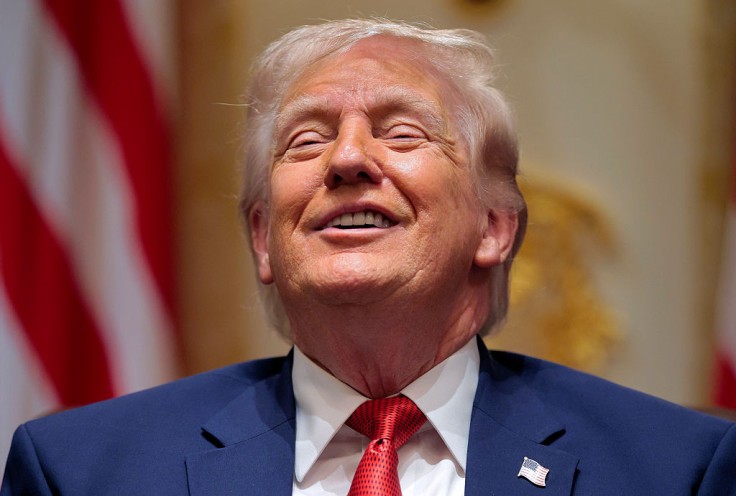
Speaking later at the White House, Trump added that Vice President JD Vance could attend the signing and added that the Strait of Hormuz would reopen once the agreement was finalized.
Iran, however, disputed suggestions that an accord is complete. Iranian Foreign Ministry spokesperson Esmail Baghaei said reports of a finalized agreement were "speculative" and that "nothing has been finalised." Fars News Agency, which is affiliated with the Islamic Revolutionary Guard Corps, quoted a source close to Iran's negotiating team as saying no draft memorandum had been approved, as BBC News pointed out.
The cautious response is consistent with recent comments by Iranian Parliament Speaker Mohammad Bagher Ghalibaf, who said Tehran does not trust Washington and accused the United States of undermining diplomatic efforts even as indirect talks continue. "The goal is to end the war and create sustainable security," Ghalibaf said, adding that Iran's objective was not normalization of relations with the United States.
© 2025 Latin Times. All rights reserved. Do not reproduce without permission.


