
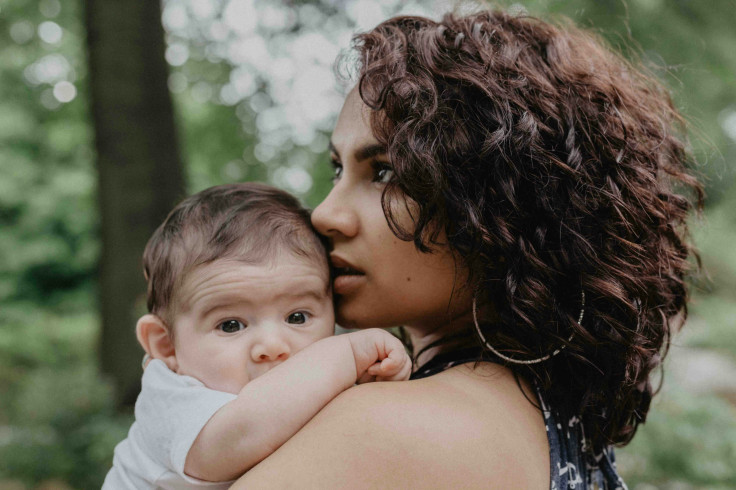
Mother's Day in Latino households across the United States often sounds like two languages at once: It is El Día de las Madres as well.
A card may start in English and end in Spanish. A text message might include "love you, mamá" in the same sentence. In bilingual families, Mother's Day has become its own emotional dialect, one that mixes affection, humor, nostalgia, and culture in ways that feel more personal than a direct translation ever could.
That blend reflects a larger shift in the country. According to the Pew Research Center, nearly 68% of Latinos in the United States speak Spanish at home, even as more second- and third-generation families move fluidly between the two languages in everyday life.
For many families, especially younger Latinos, bilingual Mother's Day messages feel more authentic because they mirror how they actually speak.
"These hybrid expressions are emotional markers of identity," said sociolinguist Phillip Carter, director of the Center for the Study of Linguistic Diversity at Florida International University, in previous interviews about bilingual communication. "People code-switch because certain emotions or family relationships feel more natural in one language than the other."


Here are 10 bilingual Mother's Day phrases that feel warm, modern and natural for cards, texts, Instagram captions or family brunch toasts this Mother's Day 2026.
"Happy Mother's Day to the best mamá in the world."
Simple, affectionate and one of the most common bilingual constructions in Latino homes. "Mamá" often carries more emotional intimacy than "mom."
"Gracias por todo, Mom. Te amamos muchísimo."
This one works especially well in family group chats because it sounds conversational and genuine instead of overly formal.
"No one loves like a Latina mom. Happy Mother's Day."
Perfect for social media captions, especially for families celebrating strong cultural traditions tied to food, music and multigenerational households
"You're our home, nuestra guía y nuestro corazón."
A more emotional phrase that mixes poetic English with Spanish warmth. "Nuestra guía" translates to "our guide."
"Mom, eres la glue de esta familia."
Spanglish at its most real. Many younger bilingual families naturally mix English nouns and Spanish sentence structure while speaking.
"Happy Mother's Day, mami. Thank you for every sacrifice."
"Mami" remains one of the most emotionally loaded words in Latino culture, often carrying tenderness even into adulthood.
"Your love taught us everything. Gracias, mamá."
Short, elegant and ideal for a card message or floral arrangement note.
"Para la reina de la casa, Happy Mother's Day."
"The queen of the house" remains one of the most enduring Latino family expressions, especially in Caribbean households.
"We hit the jackpot contigo, Mom."
This blends humor and affection naturally, especially for younger families who communicate casually online.
"Feliz Día de las Madres to the woman who made our American dream possible."
This phrase resonates deeply in immigrant households where mothers often carried the emotional and financial weight of starting over in a new country.
The rise of bilingual greetings reflects broader demographic changes in the United States. Pew Research Center estimates there are now more than 65 million Hispanics living in the country, making Latinos the nation's second largest population group. Younger generations increasingly move between English and Spanish depending on context, emotion and family dynamics.
For many, Mother's Day becomes one of the moments where both languages coexist most naturally.
A grandmother may prefer "Feliz Día de las Madres." A Gen Z daughter may post "Love you, mami" on Instagram. A son might send flowers with a card written half in Spanish and half in English.
None of it feels forced because bilingual families rarely experience language as separate worlds.
On Mother's Day 2026, the most meaningful message may not be perfectly translated English or flawless Spanish. It may simply sound like home.
© 2025 Latin Times. All rights reserved. Do not reproduce without permission.


