
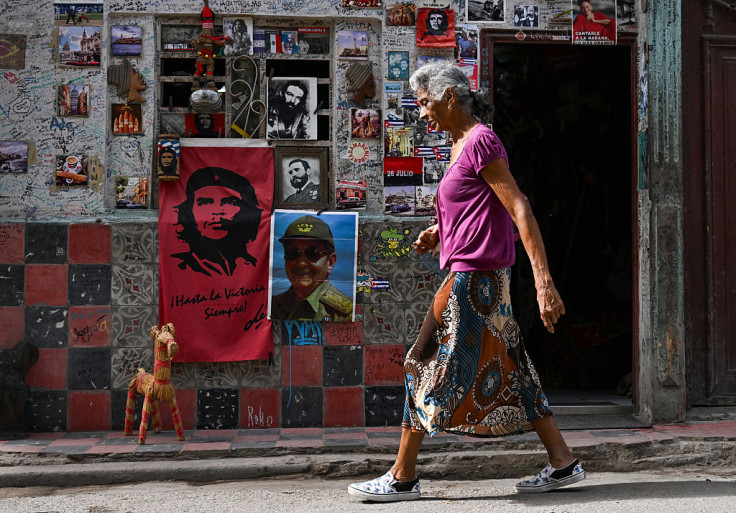
Cuba is approaching what one economist described as its "worst moment in history" as a deepening energy crisis triggers prolonged blackouts, disrupts daily life and pushes the country's fragile economy closer to collapse, according to a new report.
Juan Carlos Albizu-Campos Espiñeira, a Havana-based economist, said the current conditions mark an unprecedented low, pointing to soaring inflation, declining public services and long-standing structural weaknesses.
"The pact has failed," said Espiñeira, telling the LA Times that he faults the government for soaring inflation and neglecting sectors like industry and healthcare.
The crisis has intensified in recent weeks as the island experienced multiple nationwide blackouts, tied in part to a U.S. fuel blockade imposed earlier this year, which has effectively cut off oil shipments to the island. According to Cuban authorities, the country has not received foreign fuel supplies for three months and currently produces only about 40% of the energy it needs, as Al Jazeera points out.
The consequences are visible across sectors. Hospitals have been forced to cancel procedures, transportation has slowed due to fuel shortages and food distribution has been disrupted. Residents report adapting to extended outages that can last more than a day. "The U.S. is trying to punish the Cuban government," one Havana resident told the Los Angeles Times. "But it's the people who are suffering."


International reporting suggests the humanitarian impact is widening. The BBC published a sprawling report on Tuesday focusing on maternity wards where expectant mothers face the prospect of giving birth during power outages, with hospitals relying on limited generator capacity.
"You must get up in the small hours when the power comes back on to cook whatever is available," said Indira Martínez, a pregnant resident struggling with food shortages and intermittent electricity.
Cuban Deputy Foreign Minister Carlos Fernández de Cossío said over the weekend that the government is preparing for potential escalation following recent U.S. rhetoric, though he noted such scenarios are not considered likely. "We would be naive if we do not prepare," he told Al Jazeera.
© 2025 Latin Times. All rights reserved. Do not reproduce without permission.


