
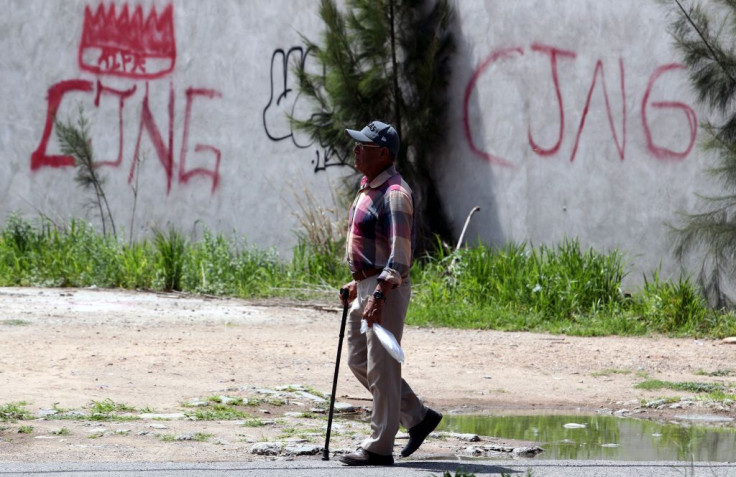
The killing of Nemesio Oseguera Cervantes, known as "El Mencho," is unlikely to disrupt cocaine flows toward Central America and the United States because the Jalisco New Generation Cartel (CJNG) relies on a network of regional alliances rather than a permanent overseas footprint, according to an InSight Crime analysis.
Even though the report says that CJNG has no established presence outside Mexico, it does claim that it has built partnerships with criminal networks in Colombia, Ecuador, and Guatemala that facilitate cocaine trafficking into Mexico and onward to the U.S.
The group manages those relationships through emissaries tasked with negotiating shipments, overseeing production and quality control, and coordinating routes, InSight Crime points out. Even if CJNG's internal leadership remains uncertain, the outlet argues the alliances sustaining supply chains would likely face only "temporary" disruption.


In Colombia, for example, the cartel's role has evolved from negotiating shipments to developing more direct involvement after the 2016 demobilization of the FARC, which had long dominated coca cultivation and cocaine production in key areas.
Gerson Arias, an associate researcher at Colombia's Fundación Ideas para la Paz, told InSight Crime that earlier ties centered on "shipments" negotiated with visiting emissaries, "especially via the Pacific," as the cartel began assessing what it could do with Colombia.
A recent report by El País described Colombian security and intelligence assessments that CJNG has operated cocaine labs through rental arrangements with FARC dissidents in Catatumbo and maintained links with the Clan del Golfo and the ELN. A judicial source cited by the outlet said CJNG pays monthly fees covering operations and labor, while Mexican operatives define volumes, movements, and shipping logistics, with additional "taxes" paid to local groups for internal transport.
In Ecuador, InSight Crime says CJNG's flexible model—working through local partners rather than building a fixed structure—limits the impact of leadership losses. Former police investigations director Freddy Sarzosa told the outlet CJNG worked with factions linked to Los Choneros, including Los Lobos and others, to manage shipments, describing it as a "strategic" criminal partnership.
Ecuadoran security analyst Luis Córdova Alarcón said reconfigurations are more likely to follow arrests of local leaders than El Mencho's death.
Security analyst David Saucedo told DW on Wednesday that some CJNG cells appear to be in a "complete retreat," potentially regrouping as the organization consolidates its command. Saucedo added that there is already "a replacement" within the cartel's leadership structure, suggesting the group had prepared for succession before Oseguera's death.
© 2025 Latin Times. All rights reserved. Do not reproduce without permission.


