
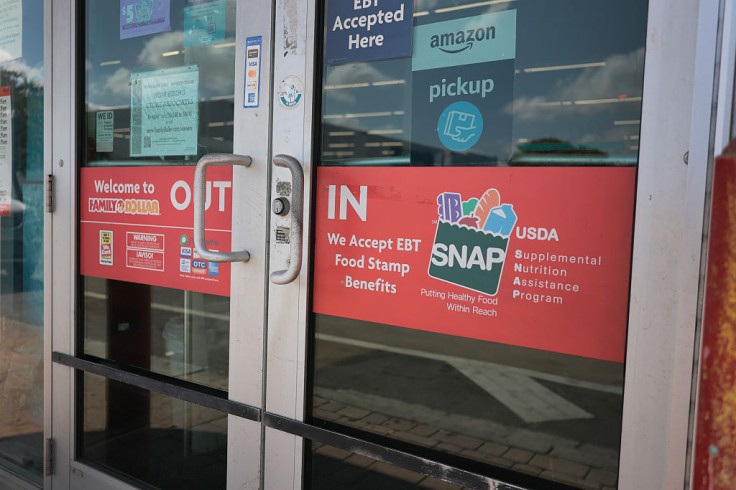
New work requirements for some Supplemental Nutrition Assistance Program (SNAP) recipients in New York officially began affecting benefits on Monday after a three-month federal grace period that started in March.
The changes, implemented under legislation signed by President Donald Trump, require many recipients to work, volunteer, participate in job training or attend educational programs for at least 80 hours per month to continue receiving food assistance.
New York City officials estimate roughly 43,500 residents remain at risk of losing benefits if they fail to comply with the new rules or submit the required paperwork in time.
The requirements mainly apply to "Able-Bodied Adults Without Dependents," known as ABAWDs. This includes people between 18 and 64 years old who do not live with a child under 14 and do not qualify for medical or disability exemptions.
Recipients can remain eligible by working at least 20 hours per week, enrolling in approved workforce training programs, performing volunteer work or participating in educational activities. Volunteer hour requirements vary depending on benefit levels, as Fox 5 New York reports.
Several groups remain exempt, including pregnant individuals, people with physical or mental health limitations, recipients of disability benefits, caregivers, people in substance abuse treatment programs and adults over 65.
New York officials said they launched extensive outreach efforts in recent weeks, including door-knocking campaigns, phone calls and data reviews to identify people who may qualify for exemptions or who have not yet complied. According to city officials, more than 80,000 recipients previously identified as subject to the rules have already demonstrated compliance.
The changes come as anti-hunger groups warn of growing food insecurity nationwide. A recent analysis by the Center on Budget and Policy Priorities found more than 3.5 million SNAP recipients across the United States lost benefits between July and February following broader federal changes to the program.
Advocates in New York say rising grocery, housing and healthcare costs could make the impact more severe in coming months. Krista Hesdorfer of Hunger Solutions New York told CNBC that "the worst is yet to come" as more recipients reach the new time limits later this year.


© 2025 Latin Times. All rights reserved. Do not reproduce without permission.


