
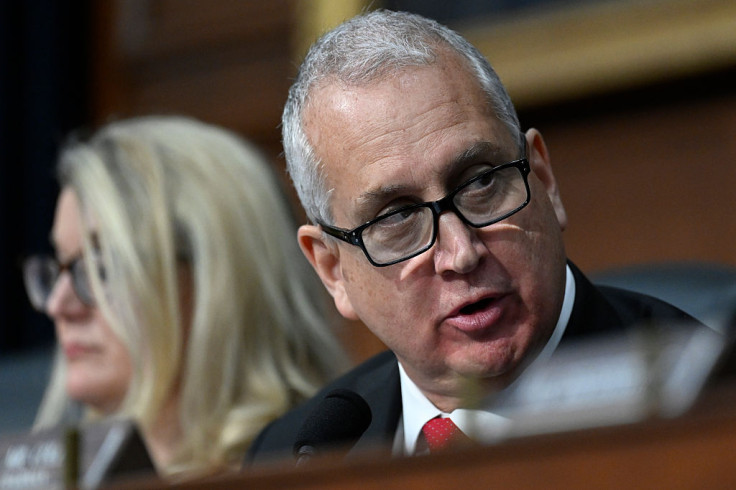
Republican Rep. Mario Diaz-Balart accused Mexican President Claudia Sheinbaum of being "complicit in human trafficking" for keeping the program receiving Cuban doctors in the country.
"U.S. law is clear: no funding for countries or entities profiting from Cuba's exploitation of medical doctors, and visa bans for officials who enable it," said Diaz-Balart in a social media publication.
Sheinbaum is complicit in human trafficking.
— Mario Díaz-Balart (@MarioDB) March 26, 2026
U.S. law is clear: no funding for countries or entities profiting from Cuba’s exploitation of medical doctors, and visa bans for officials who enable it.https://t.co/hgJPG7Q9Nf
The Mexican government promptly rejected the matter, saying its healthcare partnerships "ensure direct compensation for medical professionals and dignified working conditions, fully respecting workers' rights."
"Foreign workers have the same rights and conditions as Mexican workers under Mexican law," the Mexican embassy in the U.S. added in a social media publication.
Since the 1960s, the Cuban government has sent tens of thousands of doctors and health professionals abroad as part of its foreign policy strategy, providing humanitarian aid in over 100 countries.
This practice, which began shortly after the 1959 revolution, has played a key role in Cuba's global image. The first major mission was in Algeria in 1963, and since then, Cuban doctors have worked in regions struck by disaster, poverty, or epidemic. Critics, including the U.S. government, have alleged that the missions often exploit the medical workers, citing strict state control over wages and mobility. Cuba, however, defends the programs as a pillar of international solidarity and a critical source of revenue for its economy.
The dispute over the program comes amid a broader geopolitical standoff over Cuba, as the United States continues to pressure countries in the region to cut ties with the island's government. Díaz-Balart has warned that nations supporting Cuba's medical missions could face consequences, including visa restrictions and funding cuts under U.S. law.
Mexico has taken a different approach, maintaining that its cooperation with Cuba is both sovereign and humanitarian. In recent weeks, the country has sent aid shipments to the island and explored ways to continue supporting it despite U.S. pressure. Sheinbaum has argued that sanctions targeting Cuba risk harming civilians, saying "you can't hurt the people just because you disagree with the government."
Cuba continues teetering on the brink of collapse in the meantime, facing widespread blackouts. Mexico and other countries have been sending humanitarian aid, and Russia is potentially gearing up for a standoff with the U.S. as it sends a vessel loaded with over 700,000 barrels of oil to the country.


© 2025 Latin Times. All rights reserved. Do not reproduce without permission.


