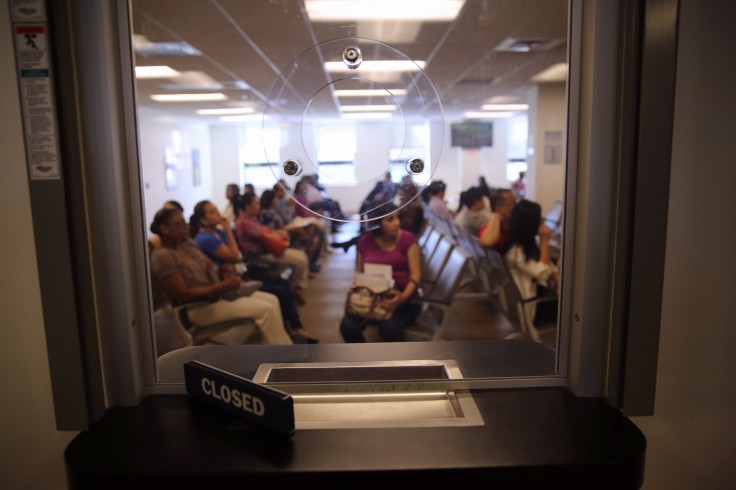
The Trump administration is moving to require many green card applicants to complete their applications from their home countries, a change that could upend the path to permanent residency before the USCIS for thousands of immigrants already living in the United States, according to several reports.
USCIS, part of the Department of Homeland Security, oversees the initial processing of immigrant petitions, including family-based and employment-based cases, as well as applications to adjust status for people already living in the United States. The agency also handles biometrics appointments, interviews, and the issuance of green cards.
Under the new policy, many people who are in the country on temporary visas and seeking lawful permanent residency would need to leave the U.S. and go through consular processing abroad instead of adjusting their status while remaining in the country even if they have spouses or children with citizenship.
"We're returning to the original intent of the law to ensure aliens navigate our nation's immigration system properly," USCIS spokesperson Zach Kahler wrote in a statement according to Fox News. According to the same report "USCIS will grant 'adjustment of status' only in extraordinary circumstances, on a case-by-case basis," meaning that only in special cases will applicants be allowed to process their green cards while waiting within the United States.
The move is especially significant for Latino and Hispanic families, who make up a large share of the nation's immigrant population. The Migration Policy Institute estimates that more than 51 million immigrants live in the United States, while the U.S. Hispanic population is now more than 68 million people.
That means any change to the green card process is likely to hit Latino communities hard, including families already navigating long backlogs and expensive immigration filings. USAFacts reports that the United States accepted more than 1 million new green card applications in 2022, while Mexico, Cuba, and the Dominican Republic have ranked among the top countries of origin for green card recipients in recent years.
The financial burden could also be substantial. CitizenPath says most applicants will pay about $1,355 in required government fees across the life of a consular processing case, not including travel, medical exams, translations, missed work, or legal help.
For families forced to leave the U.S. temporarily, the true cost could be much higher. In many cases, the biggest burden may not be the fees themselves, but the uncertainty of leaving jobs, homes, and loved ones behind while waiting abroad for processing to finish.
Other governmental agencies that process green card applications include the Department of State (DOS) which handles the process if you are applying from outside the United States. They manage the immigrant visa processing at U.S. embassies and consulates abroad, and also handle the monthly visa bulletin that determines when your priority date is current. The Department of Labor (DOL) on the other hand receives certain employment-based green card applicants, and employers must first go through the DOL to get a labor certification (PERM) approved before filing anything with USCIS.

© 2025 Latin Times. All rights reserved. Do not reproduce without permission.


