
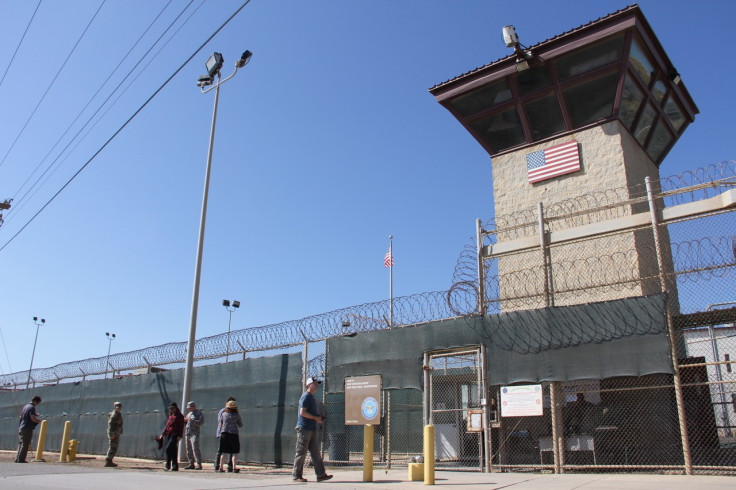
The U.S. naval base at Guantánamo Bay would serve as a "central node" in any potential military operation in Cuba, analysts say, even as they stress that such a scenario remains unlikely under current conditions.
The assessment comes amid heightened tensions between Washington and Havana and a broader strategy by the Trump administration centered on economic pressure rather than direct military action.
Daniel DePetris, a foreign policy expert at Defense Priorities, told EFE it would be "imprudent to rule out any option" under the current administration, while noting that the probability of a military operation is "for the moment, low." Still, he argued that if negotiations between the United States and Cuba were to collapse, "the military option could become more plausible," particularly in light of recent U.S. actions in Venezuela.
In that context, Guantánamo's geographic position and infrastructure would make it a key operational hub. DePetris described the base as "a central node in any U.S. military scenario," citing its proximity to Cuban territory and its role as a logistical platform for naval operations in the Caribbean. At the same time, he noted that the facility is aging and suffers from deteriorating infrastructure, a condition acknowledged by U.S. Southern Command.


U.S. officials have publicly downplayed the likelihood of military action in Cuba. Gen. Francis Donovan, head of U.S. Southern Command, told lawmakers last week that the military is not conducting drills for a takeover of Cuba and is unaware of any plans to support regime change through force. He said any deployment of troops would be limited to protecting the U.S. embassy or defending the Guantánamo base in the event of a security threat.
Public opinion also appears to constrain the use of force. A recent Economist/YouGov poll found that 53% of Americans oppose military action to achieve regime change in Cuba, while only 23% support it.
Instead, the administration has relied primarily on economic coercion, including a near-total blockade on fuel shipments that has deepened Cuba's ongoing energy and humanitarian crisis. At the same time, reports indicate that U.S. officials have explored political outcomes short of full regime change, including the potential removal of Cuban President Miguel Díaz-Canel as part of negotiations to open the island's economy.
Cuban officials have responded by signaling readiness for potential aggression. Vice Foreign Minister Carlos Fernández de Cossío said the country is preparing for a possible military scenario, while maintaining that dialogue with Washington continues.
© 2025 Latin Times. All rights reserved. Do not reproduce without permission.


