
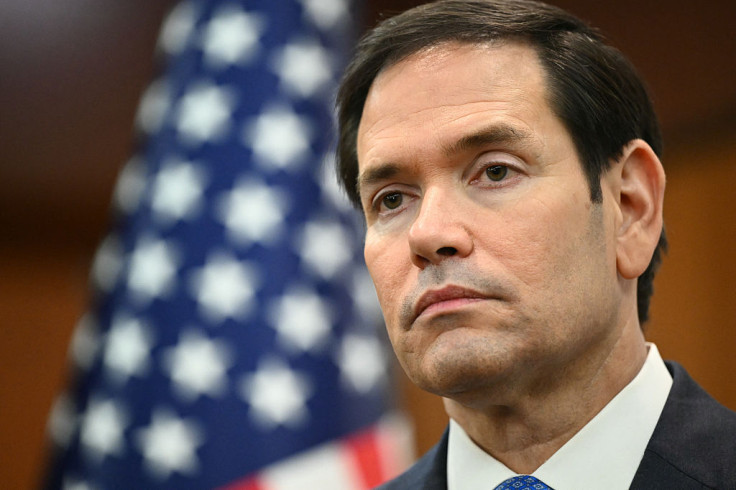
A new AtlasIntel survey conducted for Bloomberg News found that Secretary of State Marco Rubio is currently the most positively viewed political figure in Venezuela, surpassing domestic leaders and U.S. President Donald Trump.
According to the poll, Rubio holds a 57% positive image rating, compared with 53% for Trump. Opposition leader María Corina Machado registered 56%, Edmundo González 51%, acting President Delcy Rodríguez 29%, and Nicolás Maduro 22%.
The findings come roughly two months after a U.S. military intervention that removed Maduro from power and increased pressure on Rodríguez to introduce economic reforms. Since then, Washington has partially eased sanctions and issued licenses to facilitate oil trading and production.
The survey also revealed that 58% of respondents said they expect to be able to purchase more goods within six months, even though more than half described their family's current economic situation as difficult. At the same time, corruption, poverty, unemployment and democratic concerns remain the most cited national problems.
-
U.S. Officials Close To Marco Rubio Reportedly Met With Grandson Of Raul Castro To Continue Cuba Negotiations

-
Cuban Official Dismisses Reported Contacts Between Marco Rubio And Grandson Of Raul Castro: 'Sounds To Speculation'

-
Ruben Gallego Slams Marco Rubio For Backing Viktor Orban In Hungary: 'Trump Admin Doesn't Just Tolerate Authoritarians, They Admire Them'


Speaking at a Caribbean leaders' summit in St. Kitts and Nevis on Wednesday, Rubio said Venezuela would require "the legitimacy of fair and democratic elections" to move toward "true development." He added that the initial U.S. priority following Maduro's arrest was to "guarantee that there was no instability, that there was no massive migration, and that there was no spillover of violence."
"I will say this without apology or fear: Venezuela is better today than it was eight weeks ago," Rubio said. "The progress being made is substantial, but there is still a long way to go."
His latest comments align with testimony he delivered before the Senate Foreign Relations Committee on January 28, where he outlined what he described as a three-phase approach toward Venezuela: stabilization, economic recovery and ultimately a transition to democratic governance.
In that hearing, Rubio said the immediate objective following Maduro's removal was to prevent instability and regional spillover while creating conditions for economic normalization, telling senators the long-term goal is "a Venezuela that has legitimate democratic elections" and a system capable of attracting sustained foreign investment beyond the energy sector.
Rubio also emphasized that the United States does not intend to govern Venezuela but to support conditions that allow Venezuelans to determine their political future through credible elections. He described the strategy as focused first on order and economic functionality before moving toward institutional reform.
© 2025 Latin Times. All rights reserved. Do not reproduce without permission.


