
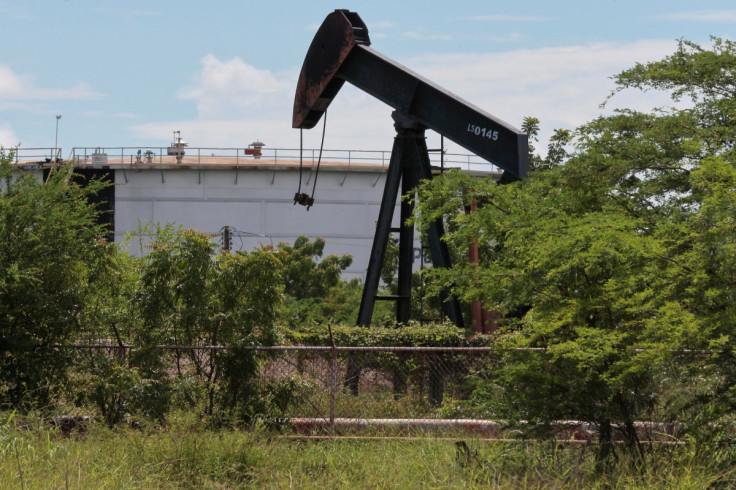
The war in the Middle East could deliver Venezuela another surge in oil revenues as global energy markets react to fears of supply disruptions, potentially repeating a cycle in which geopolitical crises drive higher crude prices and increased inflows of petrodollars, according to an analysis by energy specialist Víctor Álvarez Rodríguez for El País.
Álvarez argues that conflicts in the region have historically produced such effects. "Every time a war breaks out in the Middle East, Venezuela receives the sinister privilege of a considerable increase in its oil revenues," he wrote in an opinion column for El País.
The latest surge follows the conflict involving Iran, Israel and the United States, which has disrupted energy infrastructure and threatened shipping through the Strait of Hormuz, a key route for global oil supplies.
Álvarez said in his Op-Ed that this pattern has reinforced Venezuela's longstanding dependence on oil income. When prices rise, the country enters what he described as a "feast of plenty," often spending windfall revenues without preparing for future downturns. When prices later fall, he added, Venezuela again struggles to manage the transition to leaner periods.


The current geopolitical context could generate similar dynamics. Álvarez warned that attacks on energy infrastructure or disruptions to shipping routes such as the aforementioned Strait of Hormuz — through which roughly a third of the world's crude passes — could tighten global supply and push prices upward.
Economist Alejandro Grisanti, director of the Caracas-based consultancy Ecoanalítica, estimated on March 4 that for every additional dollar in the average oil price in 2026, Venezuela would receive about $400 million in extra revenue. If recent increases in crude prices continue, that could add approximately $2.4 billion to the country's income.
Venezuela currently produces about 1.2 million barrels of oil per day, a relatively modest share of global output but one that could become more significant during a supply shock.
Álvarez notes that under Executive Order 14373, revenue from Venezuelan crude sales is deposited into accounts at the U.S. Treasury, where it is administered by U.S. officials in coordination with the Secretaries of State and Treasury.
Álvarez proposes converting the current financial arrangements into sovereign wealth funds that would invest oil income and generate returns, allowing the country to save during boom periods and stabilize public finances during downturns.
© 2025 Latin Times. All rights reserved. Do not reproduce without permission.


