
When the Trump administration first announced its plans to carry out the "largest deportation program of criminals in the history of America," one of the proposals presented was offering migrants living in the United States without legal status the option to self-deport.
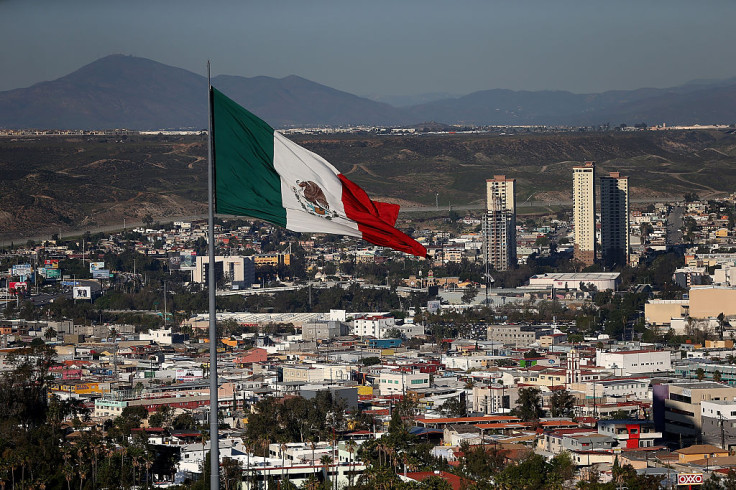
One of the places that has seen a noticeable increase in people choosing to self-deport is Tijuana. According to a Border Report investigation, real estate agents say more Mexicans living in the United States without legal residency are returning to Mexico and choosing to rent homes in Tijuana.
"I have clients who cannot live in the United States legally so they are emigrating back to Mexico hoping to complete their legal process from here," said Dulce Belén Reynoso Reyes, president of the Mexican Association of Real Estate Professionals of Tijuana. "They are voluntarily coming to Mexico to regularize their immigration status in the United States. The parents could not gain legal status in the United States, so they prefer to come here on their own, avoiding deportation."


Reynoso Reyes told the outlet that the large number of deportations is creating increased demand for rental housing in the Mexican border city, as more parents bring their U.S. citizen children to live in cities like Tijuana.
In addition, Reynoso Reyes said that since President Trump implemented his immigration policies in January 2025, there has been a 20 percent reduction in the number of people working in the United States who live in Tijuana.
Although real estate agents such as Reynoso Reyes report a large number of undocumented immigrants returning to Mexico, some reports suggest the figure provided by DHS may not be accurate.
Initially, the federal government offered $1,000 to anyone who chose to use the Customs and Border Protection Home app to begin the deportation process. More than a year after the program was introduced, the government is now paying $2,600 to undocumented immigrants who choose to voluntarily leave the country.
According to a December statement from the Department of Homeland Security, during the first year of Trump's second term a total of 1.9 million people voluntarily self-deported, although no official data has been released to support that claim.
But based on a CBS News report that pulled data from the Center for Migration Studies, the estimated number of self-deportations is closer to 200,000 in the past year, roughly one tenth of what DHS claimed in December.
"There's other ways to self-deport without using that app. There's also ways to request something called voluntary departure," Kelly Clark, an immigration attorney who has helped clients voluntarily leave the country, told CBS News.
Clark said the number of clients considering self-deportation is rising, including people with legal work permits or pending asylum cases. She said many would rather leave on their own than risk being arrested by Immigration and Customs Enforcement.
"Some people who feel like they're stuck in their homes and they're not able to work, they just don't know how they're going to survive if they stay here," she said. "That is a deep fear with our client community, their friends and family, is that even though they might have some kind of case pending or work permit, they're really not protected."


© 2025 Latin Times. All rights reserved. Do not reproduce without permission.


