
An American doctor has tested positive for Ebola while working in the Democratic Republic of Congo, prompting U.S. health officials to begin enhanced airport screening and temporary travel restrictions aimed at preventing the virus from entering the United States.
The physician has been identified by the missionary organization Serge as Dr. Peter Stafford, who was working at Nyankunde Hospital in Bunia, in eastern Congo. Stafford tested positive for the rare Bundibugyo strain of Ebola after treating patients during a fast-moving outbreak, according to AP. His wife, Dr. Rebekah Stafford, and another American doctor, Patrick LaRochelle, were potentially exposed but remained asymptomatic and under monitoring, Serge said.
Stafford and six other Americans are being transported to Germany for treatment or medical observation. As of Monday, May 18, the CDC said no Ebola cases linked to the outbreak had been confirmed inside the United States, and the agency described the immediate risk to the American public as low.
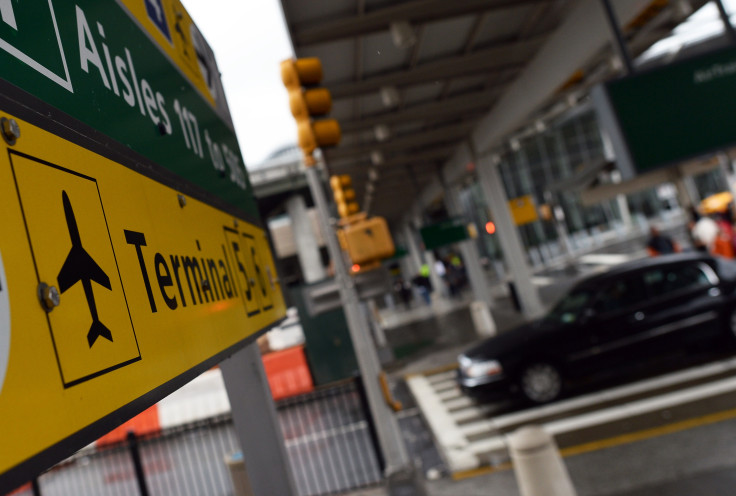
The CDC, Department of Homeland Security, and other federal agencies announced Monday that they are implementing enhanced travel screening, entry restrictions, and public health measures under Title 42 authority. The order applies to travelers who have been in the Democratic Republic of Congo, Uganda, or South Sudan within the past 21 days, the maximum incubation period for Ebola.
The restrictions temporarily bar many foreign nationals who recently visited those countries from entering the U.S. for 30 days. U.S. citizens, lawful permanent residents, members of the military, government employees, and their families are exempt, but they may still face additional screening, monitoring, and follow-up requirements after arrival.
-
Who is Brian Christine, the Urologist Leading the Hantavirus Response in the U.S.
-
Three People Death in A Cruise Ship That Departed from Argentina Towards South Arica After an Outbreak of the Deadly Hanta Virus

-
Hantavirus Was Already in the U.S. Before the M/V Hondius Passengers Arrived: It Killed Gene Hackman's Wife


Travelers affected by the new rules should expect more questions at airports about recent travel history, possible exposure to Ebola patients and current symptoms. Health officials may also conduct temperature checks, request contact information and direct some travelers to monitoring by public health authorities. The CDC said the measures are designed to reduce the risk of Ebola disease caused by the Bundibugyo virus entering the country.
Ebola does not spread through casual contact, air, water, or food in the way respiratory viruses do. It spreads through direct contact with the blood or body fluids of a person who is sick with or has died from Ebola, or through contaminated objects such as needles. Symptoms can include fever, severe headache, muscle pain, weakness, vomiting, diarrhea, abdominal pain, or unexplained bleeding.
The current outbreak has alarmed global health officials because it involves the Bundibugyo strain, a rare form of Ebola with no approved vaccine specifically targeting it. AP reported more than 300 suspected cases and 118 deaths in Congo. The World Health Organization has declared the outbreak a public health emergency of international concern.
For most U.S. travelers, the immediate practical impact will be limited unless they recently traveled through Congo, Uganda or South Sudan. Those who did should monitor themselves for symptoms for 21 days, avoid close contact with others if they feel sick and call a doctor or local health department before going to a clinic or emergency room.
The key point, health officials stressed, is that the U.S. is trying to catch possible cases early, not respond to domestic spread. Stafford's diagnosis is serious, but it happened abroad. The new airport measures are meant to keep it that way.
© 2025 Latin Times. All rights reserved. Do not reproduce without permission.


