
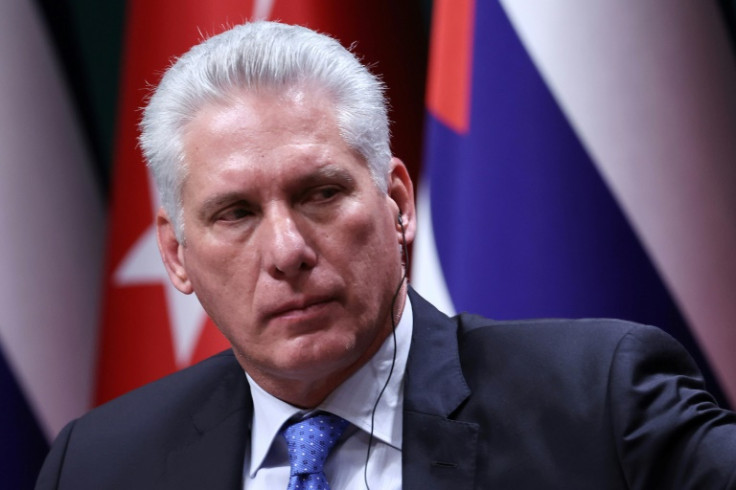
Cuba announced plans to pardon 2,010 prisoners during Holy Week, describing the move as a "humanitarian and sovereign gesture" that comes amid mounting pressure from the United States and recent diplomatic engagement involving the Vatican.
The Cuban government said the release will apply to specific groups, including young people, people over 60, women, and foreigners, with eligibility based on factors such as good conduct, health conditions, and time served.
According to a statement by Cuban president Miguel Díaz Canel, reported by DW, the decision reflects "the religious observances of Holy Week, a customary practice within our criminal justice system and a reflection of the humanitarian legacy of the Revolution."
While officials did not disclose the identities of those to be released, they said individuals convicted of serious crimes such as murder, sexual assault, and drug offenses would be excluded.


The announcement comes as Cuba has intensified efforts to engage the Vatican as a mediator with Washington, amid a deepening economic crisis driven in part by a U.S. oil blockade. The Washington Post reported last week that Cuban officials have held senior-level meetings in recent weeks with Vatican representatives, including Pope Leo XIV, seeking assistance in easing pressure that has led to fuel shortages, rolling blackouts, and disruptions to humanitarian aid distribution.
The Catholic Church has also played a logistical role on the ground, helping deliver U.S.-funded aid across the island, though shortages of fuel have at times forced improvised methods of transport.
Against that backdrop, Cuba in March released 51 prisoners in what it described as a gesture of goodwill toward the Vatican. The latest announcement marks a significantly larger release and follows a pattern of similar measures tied to religious observances or diplomatic signals.
Analysts have suggested that such steps may reflect incremental progress in contacts between Havana and Washington. "It seems not far-fetched to think that this is a sign that some of the conversation between both governments is advancing," said Michael Bustamante, chair of Cuban studies at the University of Miami, in an interview with The Guardian.
The United States has continued to call for political and economic reforms in Cuba, with the release of prisoners remaining a central demand. At the same time, the Trump administration has maintained pressure on the island's leadership while signaling limited flexibility, including allowing select oil shipments to proceed.
© 2025 Latin Times. All rights reserved. Do not reproduce without permission.


