
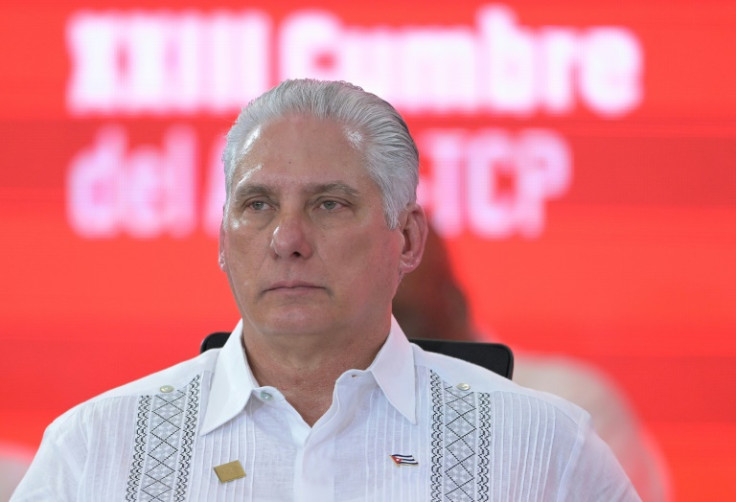
Cuban President Miguel Díaz-Canel has announced what state media describes as a broad package of economic reforms with a more liberalizing and decentralizing character, arguing that "these are times when change is necessary." While the details are still emerging, the measures being discussed suggest the most significant shift in economic management since Cuba began cautiously opening parts of its economy to private enterprise several years ago.
The key concept behind the proposals is not political liberalization, but rather economic decentralization. According to statements made during recent government meetings, the reforms would give greater autonomy to state companies and local governments, allowing municipalities to make more decisions about investment, production, and economic development without waiting for approval from Havana.
🇨🇺| En declaraciones a la prensa, el Presidente @DiazCanelB informó sobre nuevas medidas que estará tomando el país próximamente para dinamizar la economía cubana, en medio del recrudecimiento sin precedentes del #bloqueo de los Estados Unidos a la Isla.https://t.co/72AGrGjMKj
— Presidencia Cuba 🇨🇺 (@PresidenciaCuba) June 12, 2026
For ordinary Cubans, that could mean local authorities having more freedom to attract foreign investment, create partnerships with private businesses, and develop projects tailored to their regions. Díaz-Canel has also emphasized cooperation between state entities and the private sector, as well as expanding opportunities for Cubans living abroad to invest in the island's economy.
Economically, the reforms appear aimed at addressing Cuba's deepest problems: chronic shortages, inflation, low productivity, lack of foreign currency, declining food production, and a severe energy crisis that has produced recurring nationwide blackouts. The government says the goal is to increase exports, attract foreign capital, boost domestic production, and stabilize the economy.
However, the announcement has also been met with skepticism. Critics note that Cuba has announced reform packages before, including the expansion of private businesses and market-oriented measures, only to later impose new restrictions or maintain state control over key sectors.


Some analysts argue that the current proposals stop short of fundamental structural changes because they do not include political reforms or a significant reduction of the Communist Party's role in the economy.
Another important question is how much freedom private businesses would actually gain. While the government has spoken about partnerships between state and non-state actors, previous regulations have generally ensured that the state retains ultimate control over strategic sectors. Analysts say the real test will be whether entrepreneurs gain easier access to imports, financing, foreign investment, and decision-making power.
The timing of the announcement is also notable. Cuba is facing one of its most severe economic crises in decades. The country has struggled with fuel shortages, falling tourism revenues, inflation, and an unprecedented wave of emigration. In recent months, officials have repeatedly acknowledged the need for urgent transformations while warning that existing policies are no longer producing sufficient results.
In practical terms, if fully implemented, the reforms could move Cuba closer to models seen in countries such as Vietnam or China, where a socialist political system coexists with greater economic flexibility and a larger role for private business. But whether these measures represent a genuine turning point or another limited adjustment within the existing system will depend on the specific laws, regulations, and freedoms ultimately granted to businesses, investors, and local governments.
For now, the headline is not that Cuba is abandoning socialism. The more significant story is that the government is publicly acknowledging that its highly centralized economic model needs major changes if it hopes to reverse the island's prolonged economic decline
© 2025 Latin Times. All rights reserved. Do not reproduce without permission.


