
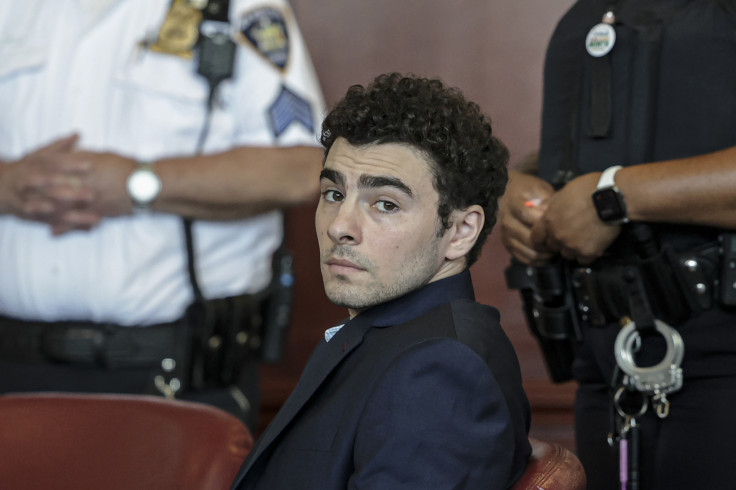
The murder case against Luigi Mangione took a significant turn Monday after a New York judge ruled that some evidence collected during his dramatic arrest in Pennsylvania cannot be used at the trial for the murder of the UnitedHealth CEO, handing the defense a partial legal victory ahead of one of the country's most closely watched criminal proceedings.
Judge Gregory Carro ruled on May 18 that police improperly searched Mangione's backpack without a warrant when officers arrested him at a McDonald's in Altoona, Pennsylvania, in December 2024, five days after the fatal shooting of Brian Thompson in Midtown Manhattan, Reuters informed.
The judge ordered prosecutors to suppress several items found during that initial search, including a loaded handgun magazine, a cellphone, a passport, a wallet, and a computer chip. Carro said the search violated constitutional protections because officers lacked exigent circumstances that would have justified opening the bag without a warrant.
However, the ruling stopped short of crippling the prosecution's case.
Carro also ruled that a second search conducted later at the police station qualified as a lawful inventory search, allowing prosecutors to keep some of the most important evidence in the case. That evidence includes the alleged murder weapon, a silencer, a USB drive and a red notebook prosecutors have described as a manifesto outlining Mangione's alleged motives and escape planning.


Mangione, 28, has pleaded not guilty to charges stemming from the killing of Brian Thompson, who was shot outside a Manhattan Hilton hotel where UnitedHealth Group was hosting an investor event on Dec. 4, 2024. Authorities said the killing triggered a massive manhunt that ended with Mangione's arrest in Pennsylvania.
The judge also rejected part of the defense's argument that Mangione had been illegally interrogated after his arrest. Carro declined to suppress Mangione's initial statements to law enforcement, ruling investigators did not violate his constitutional rights during questioning.
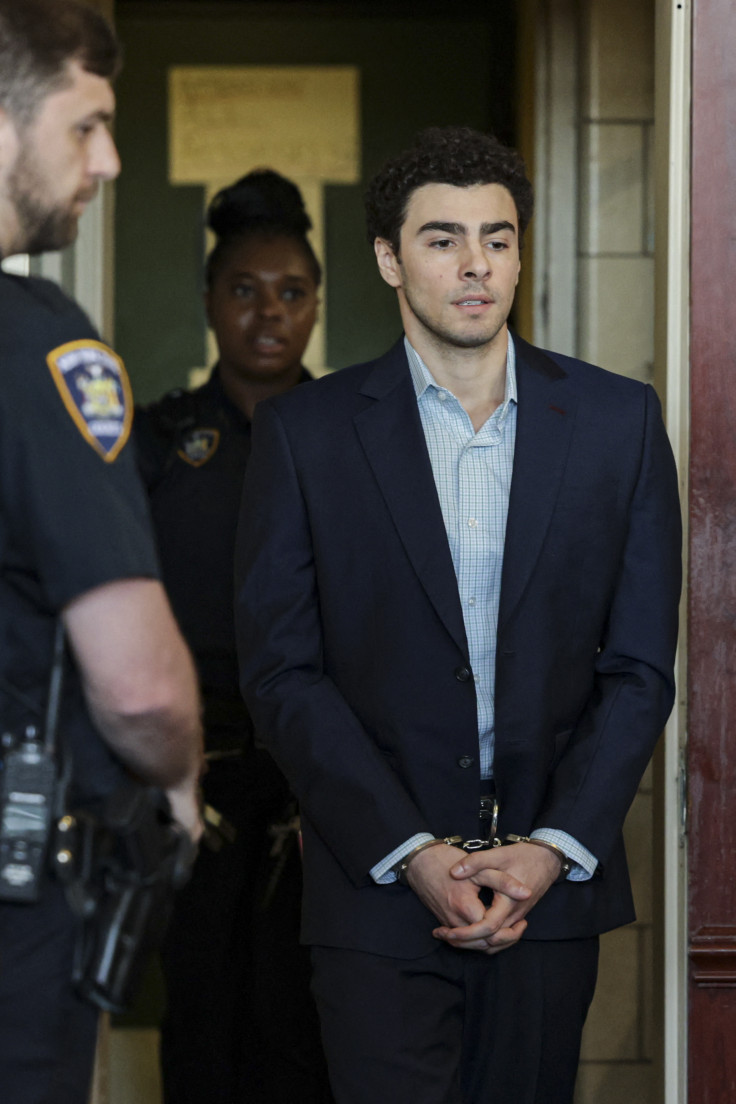
Even with the partial suppression ruling, prosecutors insist they still have extensive evidence connecting Mangione to the killing. Court filings cited by Reuters say investigators possess DNA evidence, fingerprints, surveillance footage, cellphone records, and another backpack allegedly discarded during his escape from New York City.
Monday's decision nevertheless gives Mangione's defense team a symbolic and strategic victory because the judge agreed police crossed legal boundaries during the initial search.
The case has already seen major setbacks for prosecutors before the latest ruling. Last year, Carro dismissed terrorism-related murder charges after finding prosecutors failed to show Mangione's alleged actions were intended to influence government policy or intimidate the public at the level required under New York law.
The federal case against Mangione has also narrowed considerably. Earlier this year, Carro dismissed murder and weapons charges on procedural grounds, removing the possibility of the death penalty. Federal prosecutors later confirmed they would not appeal that decision. Mangione still faces federal stalking charges that could carry life in prison if he is convicted.
Despite the defense victories, legal analysts say the prosecution still retains what could be compelling evidence for a jury, especially because the gun and notebook remain admissible in state court.
Mangione's state trial is scheduled to begin Sept. 8 in Manhattan and is expected to last approximately six weeks. Prosecutors are expected to argue that Mangione carefully planned the killing and fled New York after carrying out the attack, while defense attorneys continue challenging the legality of the investigation and evidence collection.
© 2025 Latin Times. All rights reserved. Do not reproduce without permission.


