
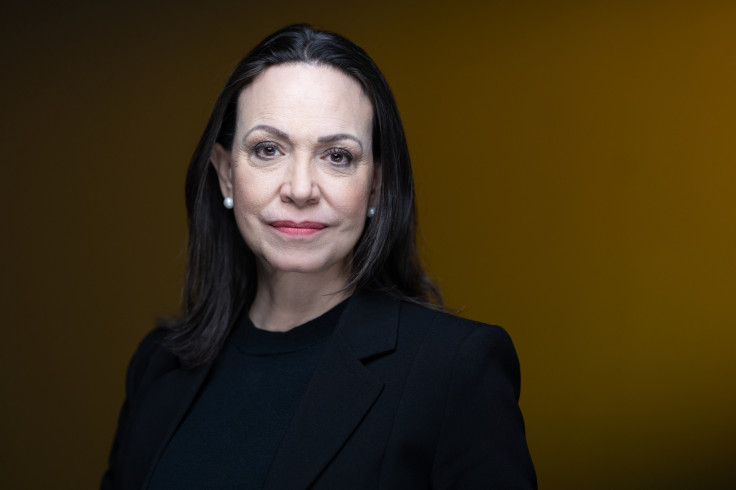
A Qatari source familiar with talks between the United States and Venezuela over a possible post-Maduro transition told CNN that opposition leader María Corina Machado was never considered for a leadership role in the discussions held before Nicolás Maduro's January capture.
The talks were mediated by Qatar and focused on what Venezuela could look like if Maduro stepped down. The source said neither U.S. nor Venezuelan officials discussed Machado as part of a transition framework, despite her vocal support for international pressure against Maduro and her close alignment with the Trump administration.
Instead, following Maduro's capture, the Trump administration allowed Vice President Delcy Rodríguez to assume the presidency. Rodríguez had participated in contacts with U.S. officials through Doha in 2024, according to the CNN report.
-
Venezuela Admits Man Died in Custody in 2025 Despite Telling his Mother He Was Alive for Almost a Year

-
Chavista Hardliners Accuse Rodríguez of 'Treason' as Venezuela Reopens to U.S. Oil Interests: 'Imperialism Is the Enemy'

-
Federal Trial of Nicolás Maduro and Wife Cilia Flores Delayed Again in New York: When Is the Next Hearing?


Qatar played a central role in facilitating communications between Washington and Caracas during both the Biden and Trump administrations, initially focusing on detained Americans and broader diplomatic negotiations. The Qatari source told CNN that Rodríguez made several visits to Doha last year, including meetings with Qatari Prime Minister Sheikh Mohammed bin Abdulrahman Al Thani.
The report also states that Qatar hosted a temporary bank account established at the request of the U.S. government to hold profits from Venezuelan oil sales. The account has since been closed.
Qatar reportedly was not informed in advance about the January 3 operation in which Maduro and his wife, Cilia Flores, were captured by U.S. forces.Maduro and Flores remain detained at the Metropolitan Detention Center in Brooklyn and have pleaded not guilty to drug and weapons charges.
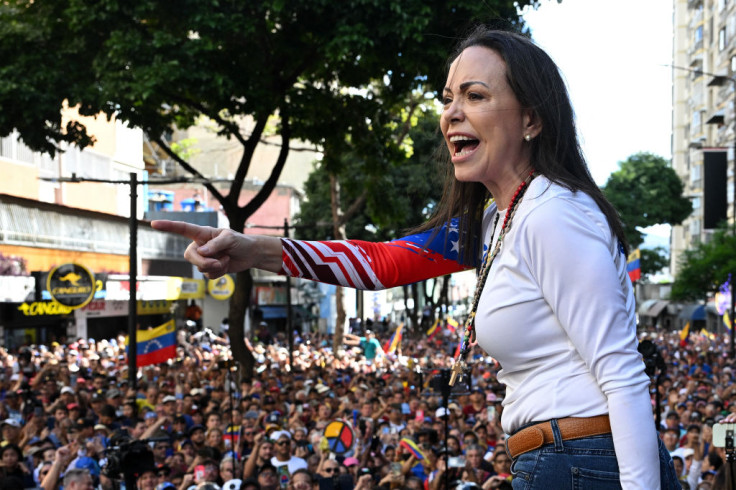
Machado's exclusion from the transition talks contrasts with her public prominence within the Venezuelan opposition and her strong support among anti-Maduro sectors abroad. Shortly after Maduro's capture, President Donald Trump told reporters he did not believe Machado had the "support" inside Venezuela necessary to lead a transition government.
In an interview published over the weekend by El País, Machado acknowledged growing frustration among Venezuelans over the pace of political change following Maduro's removal. "There is a growing concern, not to say anguish, that this takes too long, because for many people every day is existential," Machado said.
She defended the Trump administration's broader approach toward Venezuela and argued that the transition process must remain tied to elections and institutional reform. While noting the release of some political prisoners and limited openings for public protest, Machado said Venezuela remains "a dictatorship."
Machado also said she continues coordinating with Washington and other international allies regarding her eventual return to Venezuela after months abroad. Asked directly when she planned to return, she responded: "Soon."
© 2025 Latin Times. All rights reserved. Do not reproduce without permission.


