
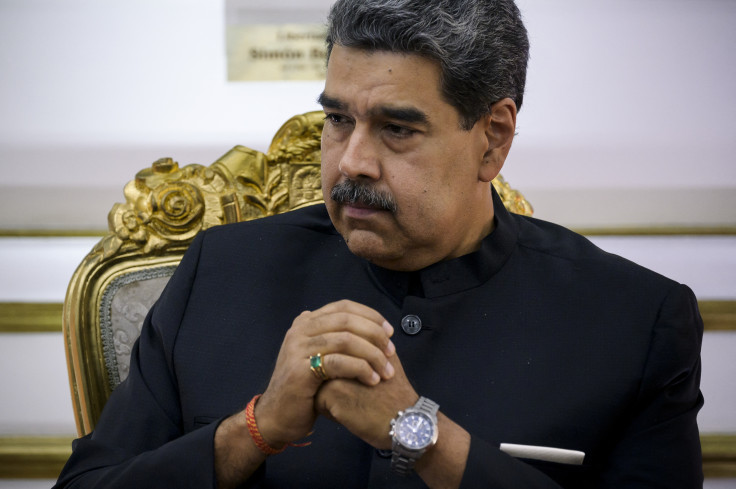
A U.S. federal judge in New York has postponed the third court hearing in the case against Nicolás Maduro and his wife Cilia Flores until June 30, marking the latest delay in a high-profile prosecution that has already faced multiple scheduling setbacks.
According to court developments reported Monday, Judge Alvin Hellerstein approved a joint request from both the defense and federal prosecutors to reschedule the hearing, which will now take place at noon in the Southern District of New York.
The case, which also includes Maduro's wife Cilia Flores, has been repeatedly delayed since the couple was first brought to the United States earlier this year. Both pleaded not guilty in January to charges including narcoterrorism conspiracy, cocaine importation, and weapons offenses.
-
Who Is David Rivera, Ex-Florida Congressman Convicted in Foreign Lobbying Case and Longtime Rubio Ally

-
Florida Sen. Rick Scott Breaks With Trump and Marco Rubio on Venezuela's Delcy Rodríguez: "She Is Despicable"

-
Maduro Scores Legal Win As U.S. Lets Venezuela Pay Defense For Him And wife Cilia Flores


Maduro, who remains detained at the Metropolitan Detention Center in Brooklyn, initially appeared in federal court on January 5, just days after his capture in Caracas during a controversial U.S. operation. At that first hearing, he told the court he considered himself a "prisoner of war" and rejected the legitimacy of the charges.
The proceedings have since moved slowly. A second hearing originally scheduled for March 17 was pushed to March 26 due to what court filings described as logistical and scheduling issues. That March appearance focused on pretrial motions, including disputes over evidence and access to legal funding, with the defense arguing that U.S. sanctions were limiting Maduro's ability to hire counsel of his choice.
The latest delay underscores the complexity of the case, which sits at the intersection of criminal law and international politics. Prosecutors accuse Maduro of leading a drug trafficking network that sent large quantities of cocaine into the United States, while his legal team argues the case is politically motivated and violates international law.
The June 30 hearing is expected to address ongoing pretrial issues and potentially set the stage for further motions, though no trial date has yet been established. Legal experts say the case could stretch on for years, given the scale of the charges, the volume of evidence and the constitutional challenges raised by the defense.
Beyond the courtroom, the prosecution continues to carry major geopolitical implications. Maduro's arrest in January triggered a political crisis in Venezuela and drew criticism from some international actors, while the U.S. government has framed the case as part of a broader crackdown on transnational drug trafficking networks.
For now, the calendar remains fluid.
© 2025 Latin Times. All rights reserved. Do not reproduce without permission.


