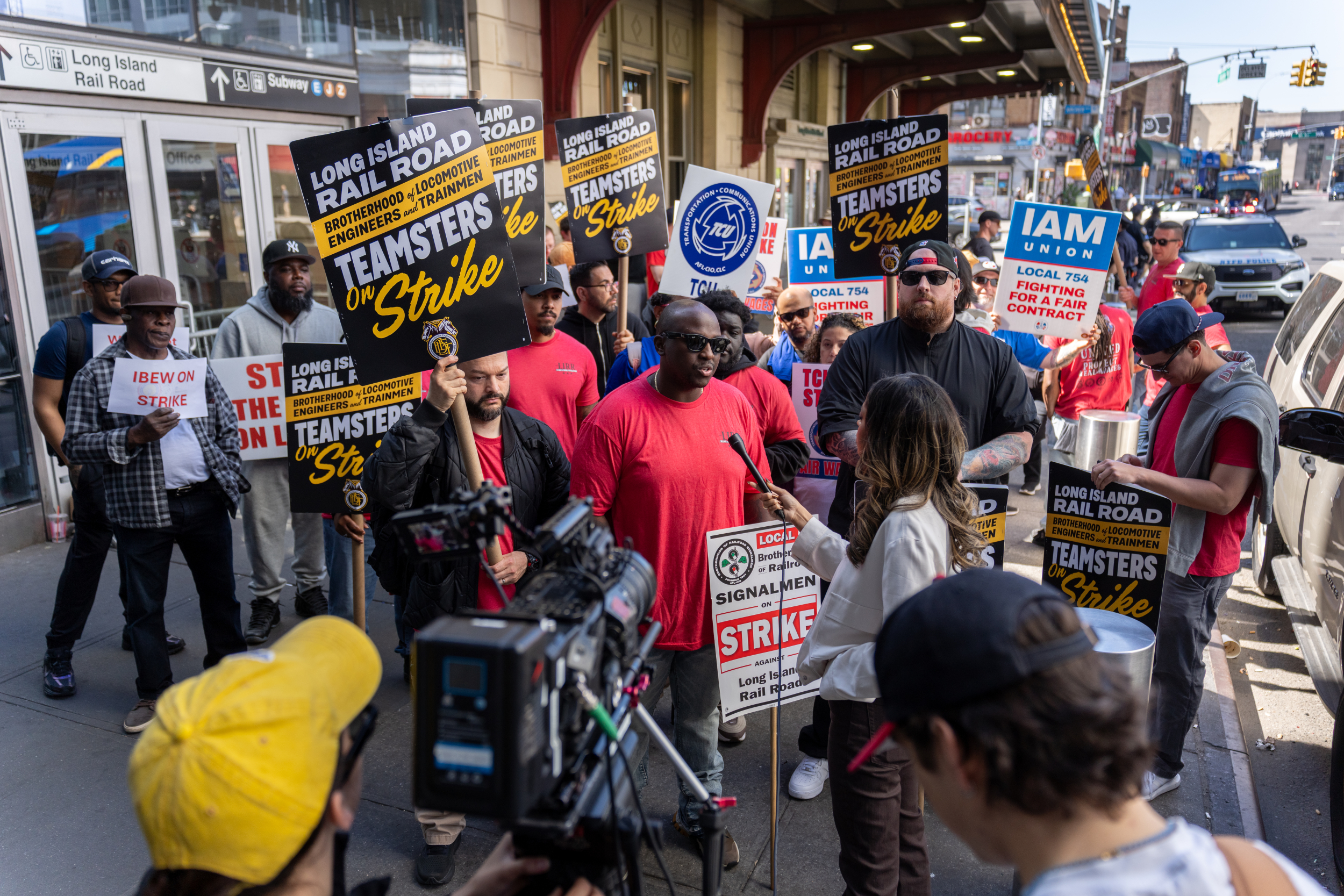
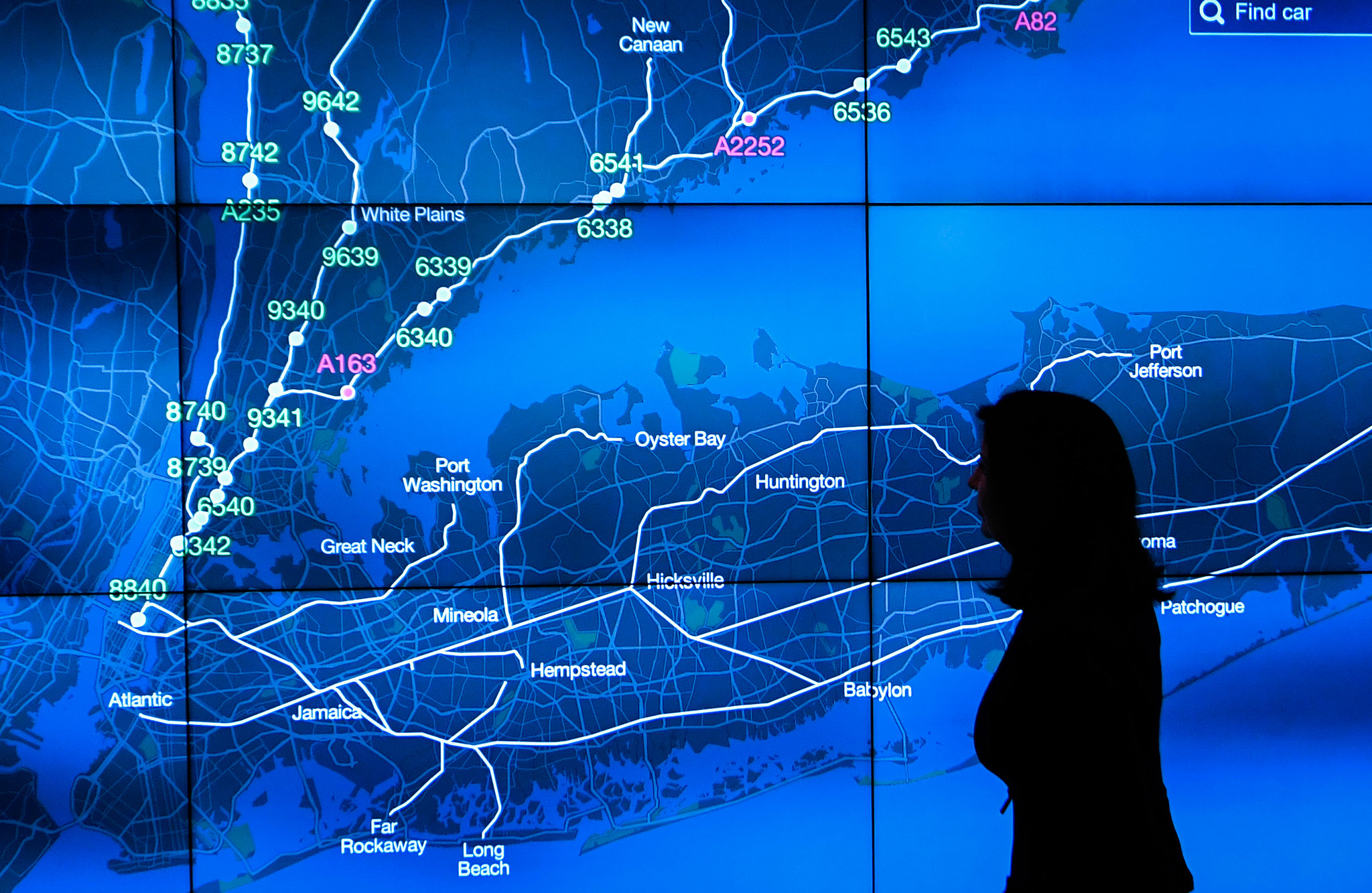
With the Long Island Rail Road still shut down and no new bargaining sessions on the calendar, Gov. Kathy Hochul and top MTA officials are warning that Monday's rush hour could turn into a "crushing catastrophe" for hundreds of thousands of commuters—especially if bad weather joins the mix.
Hochul: Union walked away, "nobody wins in a strike"
Speaking alongside MTA Chair Janno Lieber, MTA Transit leadership and the LIRR president, Hochul said state and transit officials are "standing ready" to negotiate and pleaded with union leaders to return to the table. She emphasized that union negotiators "got up, walked away from the negotiating table," and repeated that "nobody wins in a strike," stressing that roughly 300,000 Long Islanders are being directly affected.
Hochul also warned that workers themselves could lose financially, saying that just three days on strike could wipe out the value of the raises they are fighting for, once lost paychecks are taken into account. She framed the walkout as an extra burden in the middle of an affordability crisis, with New Yorkers already struggling to pay for gas and basic living expenses.
MTA's plan: shuttles, extra subway cars, but "we don't know" what will happen
On its official strike information page, the MTA reiterates that all LIRR train service remains suspended and details a limited shuttle bus operation between six Long Island locations and Queens subway hubs. Those shuttles, which run from 4:00–9:30 a.m. into Queens and 3:00–7:00 p.m. for the evening return, have about 13,000 seats—enough for only about 5 percent of the normal LIRR ridership if every seat is filled.
Officials are urging everyone who can work from home to do so, pointedly reminding employers that while 95 percent of workers once stayed home during the pandemic, there is no way to replicate that level of remote work now if bosses insist on in‑person attendance. They warn there simply isn't enough capacity on the Northern State, Southern State and other roadways to absorb a full LIRR commute by car.
MTA transit chiefs will be monitoring the subway system in real time, ready to deploy extra cars on lines serving key transfer points such as Jamaica Center and Citi Field. But even as they expressed confidence, one PIX11 reporter noted "you can sense that tension" under the surface, with officials acknowledging they "don't quite know what's going to happen on the ground" despite their modeling.

Tomorrow's commute: warning of "crushing catastrophe"
Hochul and MTA leaders are blunt: if large numbers of commuters try to travel as usual on Monday, the system could be overwhelmed. With hundreds of thousands of former LIRR riders forced onto roads and the subway for the first workday of the week, they warn of packed shuttle buses that fill up early, gridlock on major highways into New York City and subway stations in Queens and Manhattan that reach "no standing room" conditions during the peak of rush hour.

CitiField Open for Free Parking
Officials specifically pointed to Jamaica and Citi Field as the main pressure points. Citi Field's parking lots will be open for free parking so that drivers can leave their cars and transfer to the 7 train, while riders are being directed to use the 7, A, E, F and J lines from Queens to reach Manhattan.
However, reporters pressed that once packed trains leave those hubs, riders waiting further down the line could find cars already full, creating a "trickle effect" that delays everyone—and potentially spreading the disruption beyond Long Island into the entire New York City transit network. If rain or poor weather hits during the morning rush, commuting times could stretch even longer as drivers slow down and crowds build at bus stops and subway stairways.
Latino riders face extra strain
For Latino commuters—many of whom work in service, health care, construction and cleaning jobs that cannot be done remotely—the risks are especially high. As Latin Times has reported, Latino families living in Nassau, Suffolk and eastern Queens often rely on LIRR to reach low‑paying jobs in Manhattan and other boroughs, leaving them with few affordable alternatives in a shutdown.
On Monday, those riders will be forced to improvise: leaving home before dawn to secure a shuttle seat, driving longer distances in heavy traffic, or squeezing into jam‑packed subway cars at Jamaica and Willets Point. For hourly workers already stretched by rising rents, food and fuel costs, even a single late arrival can mean lost wages—or even the risk of losing a job.

Gov. Hochul's message is clear: the state and the MTA are trying to patch together enough options to prevent a total breakdown, but without a deal, commuters—especially the most vulnerable—are being asked to carry the weight of a crisis they did not create.
© 2025 Latin Times. All rights reserved. Do not reproduce without permission.


