
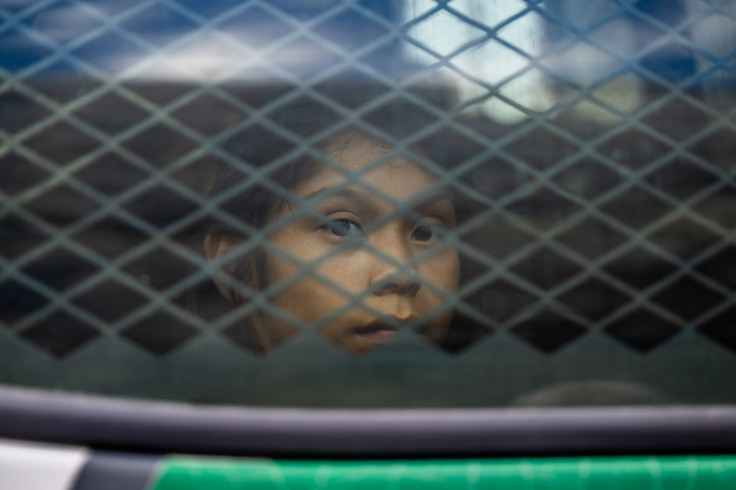
A new report by the Women's Refugee Commission and Physicians for Human Rights has found that deported parents face significant obstacles in reuniting with their children, often due to documentation requirements and procedural failures by immigration authorities.
The report concludes that, in many cases, U.S. Immigration and Customs Enforcement (ICE) officers did not follow existing policies designed to protect family unity, including failing to ask detained individuals whether they had children or allowing them to make arrangements before deportation.
Based on interviews with deported parents in Honduras, as well as medical professionals and reception center staff, researchers found that many parents were removed from the United States within days of being detained, without an opportunity to coordinate care for their children. As a result, children were frequently left in the informal custody of friends or relatives, many of whom were also at risk of deportation.
"What we've found is fairly significant evidence that [ICE officers] are not asking about people's children at the time of arrest," said Zain Lakhani, director of migrant rights and justice at the Women's Refugee Commission regarding the report. "They are not ensuring that those children have safe care, and they are not allowing parents an opportunity to decide what happens to their children if they are deported."


The report also documents cases involving pregnant and postpartum women who were deported without adequate medical care, as well as parents separated from infants and young children. Staff at reception centers in Honduras reported that many deported parents arrived with "extremely high levels of emotional distress," including symptoms of anxiety and panic.
Even when parents attempt to reunite with their children after deportation, the process can be complex. If a child is a U.S. citizen, relocation may require documentation and consent from both parents, which is often difficult to obtain. In cases where the other parent is detained, unknown or unreachable, reunification can be delayed indefinitely.
An investigation by The Guardian published back in October found that family separations have, in some instances, been used as a coercive measure in immigration enforcement. Attorneys and former officials told the outlet at the time that some parents who resisted deportation were separated from their children, who were then classified as "unaccompanied minors" and placed in shelters or foster care.
"This is a tactic to punish people for not acquiescing," said Faisal Al-Juburi of the legal aid group Raíces to The Guardian at the time, referring to the use of separation in enforcement actions.
© 2025 Latin Times. All rights reserved. Do not reproduce without permission.


