
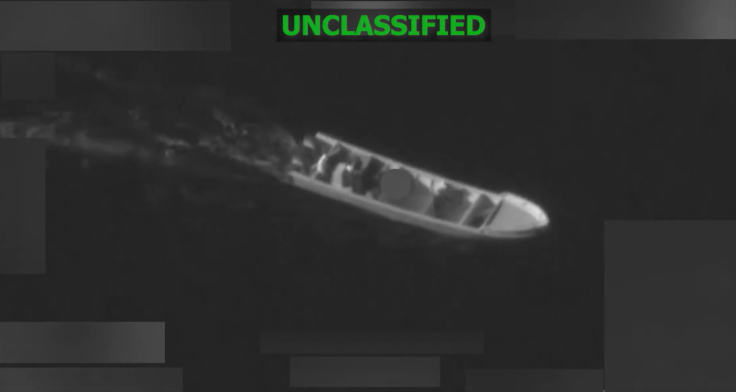
The Pentagon's inspector general has opened an investigation into U.S. Southern Command's campaign targeting alleged drug-trafficking boats in the Caribbean Sea and eastern Pacific, operations that have killed more than 190 people since last fall and drawn mounting scrutiny over their legality.
According according to a letter dated May 11 from the Pentagon's inspector general's office and published Monday by several outlets, the Defense Department watchdog will evaluate whether Southern Command followed approved targeting procedures during "Operation Southern Spear," the Trump administration's military campaign against suspected cartel-linked vessels.
The review will examine the intelligence and targeting process used in the strikes, including how targets were selected and approved.
The investigation comes after months of criticism from legal experts, members of Congress, human rights groups and some military lawyers inside the Pentagon. Since September, the U.S. military has struck nearly 60 boats that officials said were involved in drug trafficking operations, as CNN points out.

The Trump administration has defended the campaign by arguing the United States is engaged in an "armed conflict" with drug cartels and that those killed were enemy combatants. Questions intensified after reports emerged that U.S. forces carried out a follow-up strike against survivors from one targeted vessel, an incident some lawmakers said could constitute a violation of the law of armed conflict.
CNN previously reported that the senior military lawyer overseeing the operations disagreed with the administration's legal justification for the strikes, most notable Adm. Alvin Holsey, former head of Southern Command, who allegedly clashed with Defense Secretary Pete Hegseth over the pace and legality of the operations before retiring after just one year in command.
Human Rights Watch condemned the strikes last year as "unlawful extrajudicial killings" adding that "US officials cannot summarily kill people they accuse of smuggling drugs" through Sarah Yager, the organization's Washington director. United Nations experts similarly described the attacks as "extrajudicial executions," arguing that international law "does not allow governments to simply murder alleged drug traffickers."
The office of U.N. High Commissioner for Human Rights Volker Türk later called the strikes "unacceptable" and urged the United States to halt the attacks and investigate their "mounting human costs."


© 2025 Latin Times. All rights reserved. Do not reproduce without permission.


