
The Trump administration has begun easing a sweeping asylum crackdown that halted hundreds of thousands of applications, while maintaining broad restrictions on migrants from nearly 40 countries under an expanded travel ban.
According to Department of Homeland Security officials consulted by CBS News, the administration has lifted a pause on most asylum cases processed by U.S. Citizenship and Immigration Services. However, the suspension remains in place for applicants from 39 countries subject to entry restrictions, including nations in Africa, Asia and Latin America such as Afghanistan, Iran, Cuba and Venezuela.
In a statement provided to the news site, DHS said "USCIS has lifted the adjudicative hold for thoroughly screened asylum seekers from non high-risk countries," adding that the move would allow resources to focus on "continued rigorous national security and public safety vetting for higher-risk cases." The agency emphasized that "maximum screening and vetting for ALL aliens continues unabated."
The policy shift follows a November decision to freeze asylum processing after a shooting in Washington, D.C., in which an Afghan national who had been granted asylum was accused of killing one National Guard member and critically injuring another. Authorities said the suspect, Rahmanullah Lakanwal, was charged with murder and related offenses, with prosecutors describing the case as "exceedingly strong."
The administration cited the attack as justification for an indefinite suspension of asylum adjudications outside immigration court.
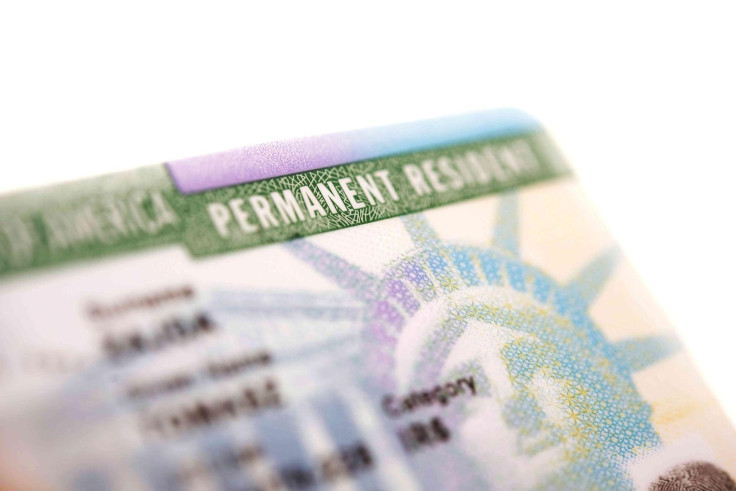
Despite the partial rollback, broader immigration restrictions remain in place. The administration continues to block other legal immigration applications — including work permits, green cards and citizenship requests — for nationals of the same 39 countries. Those measures were also implemented after the shooting and have not been lifted.
-
Report Calls Trump Immigration Freeze 'Largest Fraud in History,' Citing Over $1 Billion in Fees for Unprocessed Applications

-
Real Estate Agents Report Rise in Mexicans Self-Deporting and Seeking To Rent Homes in Tijuana

-
John Fetterman Celebrates News Of Lower Border Crossings: 'I'm a Democrat That Votes For a Secured Border'


The asylum pause and subsequent policy adjustments are part of a wider effort by the administration to tighten legal immigration pathways. Officials have argued the changes are necessary to address fraud and national security risks, while critics say they penalize migrants who are attempting to follow legal processes.
White House Deputy Chief of Staff Stephen Miller has been among the most vocal proponents of stricter policies, describing the asylum system in February as "a multibillion dollar fraudulent industry." In public statements, he has also argued that many claims are filed to delay deportation and has questioned whether migrants at the southern border qualify for asylum protections.
© 2025 Latin Times. All rights reserved. Do not reproduce without permission.


