
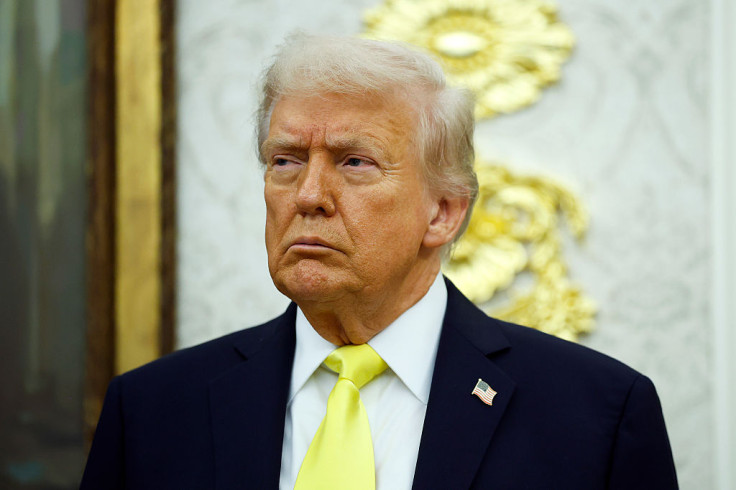
President Donald Trump's approval rating has dropped to its lowest level of his current term as economic concerns intensify alongside the ongoing conflict with Iran, according to a new Reuters/Ipsos poll released this week.
The survey found only 36% of Americans approve of Trump's performance, down from about 40% in a Reuters/Ipsos poll conducted just one week earlier. The decline comes as rising fuel prices and broader cost-of-living pressures increasingly shape public sentiment.
Economic dissatisfaction appears central to the shift, according to the new poll. Just 29% of respondents approve of Trump's handling of the economy, while only 25% support his approach to the cost of living—both the lowest levels recorded in his current term.
The poll also found that rising gasoline prices, driven in part by disruptions linked to the Iran conflict, are placing direct strain on household finances, with a majority of Americans reporting at least some financial impact.
Public opposition to the war itself has also grown with about 61% of respondents disapproving of U.S. military action related to the conflict, continuing a trend seen in earlier polling that showed limited support for strikes on Iran and concern about escalating involvement.


The latest figures reflect a broader pattern of economic anxiety tied to foreign policy decisions. Gas prices have risen sharply since the conflict began in late February, with analysts warning that sustained disruptions to global oil supply could keep costs elevated. Fuel prices remain one of the most visible indicators for voters, often shaping perceptions of inflation more directly than other economic measures.
Other recent surveys seem to echo the sentiment from the Reuters poll. An NBC News poll published in mid-March found that 62% of voters disapprove of Trump's handling of inflation and the cost of living, while nearly half said his policies have worsened the economy. The same poll showed Democrats holding a 6-point advantage on the generic congressional ballot, suggesting potential political consequences ahead of the midterm elections.
Public skepticism toward U.S. military engagement predates the current conflic. A January AP-NORC poll found that 56% of Americans believed Trump had "gone too far" in using military force abroad, while 45% said the United States should take a less active role globally.
While Trump continues to maintain strong support among Republican voters, the Reuters/Ipsos data indicates erosion among independents and growing concern about economic conditions.
© 2025 Latin Times. All rights reserved. Do not reproduce without permission.


