
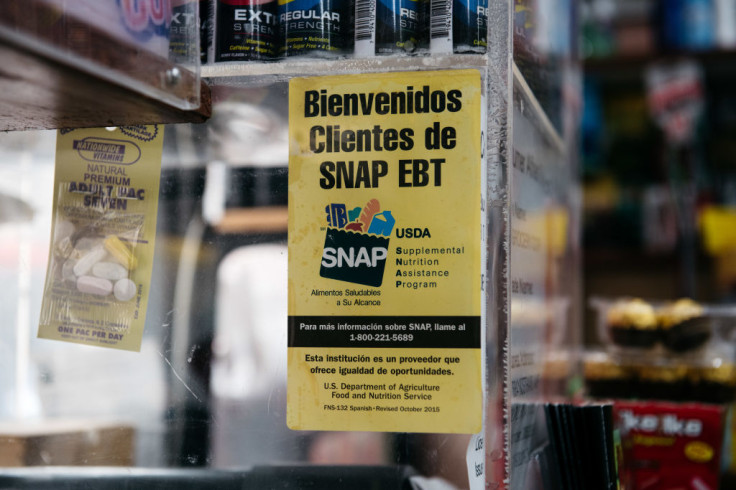
A proposed rule backed by the Trump administration could strip or reduce Supplemental Security Income benefits for hundreds of thousands of disabled people in the U.S., according to a new report. The change would affect as many as 400,000 people with disabilities, including individuals with Down syndrome, dementia, and other conditions, who live in households where a parent or relative receives food assistance through SNAP, the Supplemental Nutrition Assistance Program.
The report, published by ProPublica, found that the rule would alter how federal agencies calculate eligibility for SSI, a program that provides monthly payments to low-income individuals who are elderly or disabled.
Under current policy, SSI eligibility is determined based on strict income and resource limits, but certain household dynamics and support systems are treated differently depending on the program. The proposed change would tighten those rules, effectively counting more household support as income and making some recipients ineligible.
ProPublica reported that the rule was pushed by White House officials as part of a broader effort to reduce federal spending on safety net programs.
Advocates say the impact could be immediate and severe.
-
New Footage Reveals Border Patrol Dropped Partially Blind Refugee at Closed Store Before His Death

-
Trump Official Suggests 'Adults on Medicaid' Take Migrant Farmworkers' Spots in Pledge to Continue Deportations

-
Wrongly Detained U.S. Citizen With Learning Disabilities Allegedly Forced To Sign Documents He Couldn't Read


"These are some of the most vulnerable people in the country," a disability policy expert told ProPublica. "Losing SSI doesn't just mean losing a check. It can mean losing housing, access to care and stability."
SSI currently serves about 7.4 million Americans, including children and adults with severe disabilities. The program is often a primary source of income for recipients who are unable to work.
Under federal law, SSI beneficiaries must meet strict financial thresholds. In 2026, individuals generally cannot have more than $2,000 in countable resources to qualify. Even small changes in how income is calculated can determine whether someone remains eligible.
The proposed rule would focus on households where SSI recipients live with relatives who receive SNAP benefits. Critics say it effectively penalizes shared living arrangements, which are common among low-income families and often necessary for caregiving.
A policy analyst at the Center on Budget and Policy Priorities said similar changes in the past have led to unintended consequences. "When you change how income is counted, you can push people off benefits even if their actual financial situation hasn't improved," the analyst said in previous research on SSI eligibility rules.
Supporters of the policy argue that aligning eligibility rules across federal programs could reduce fraud and ensure benefits are directed to those most in need. They also say the change reflects a broader push to streamline overlapping safety net systems.
The Social Security Administration, which oversees SSI, has not issued a final rule, and the proposal would likely face a public comment period before implementation.
© 2025 Latin Times. All rights reserved. Do not reproduce without permission.


