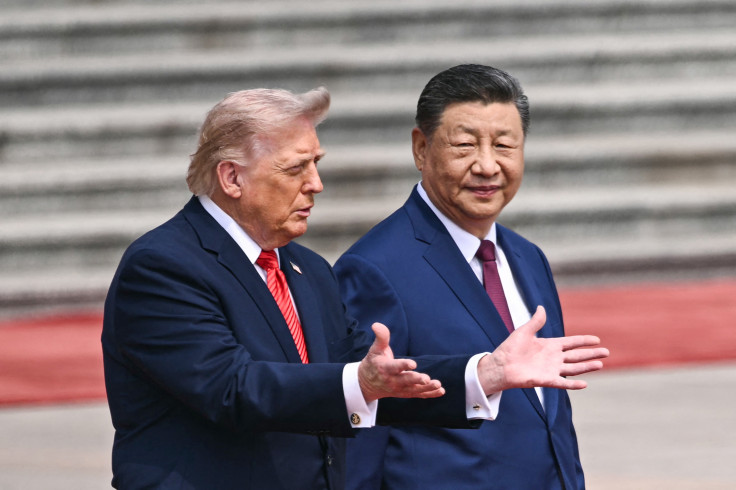
A high-stakes summit in Beijing between US President Donald Trump and Chinese President Xi Jinping has revealed both sharp tensions and limited points of cooperation, even as both sides tried to project warmth in public. According to reporting from Fox News and other outlets, Xi privately warned Trump that mismanaging core issues like Taiwan could lead to "clashes and even conflicts" between the two powers.
A blunt warning on Taiwan and future conflict
The New York Post reports that Xi framed Taiwan as the most sensitive issue in the US–China relationship and cautioned that mishandling it could trigger future confrontation, sometimes described using the "Thucydides trap" concept.
At the same time, the White House has tried to emphasize areas of overlap. US officials have stressed that both leaders discussed ways to manage competition and avoid direct conflict while addressing global security concerns.
Trump says Xi pledged not to arm Iran
On Iran, Trump has claimed that Xi agreed to limit military support for Tehran. In its live blog of the trip, CNN reports that Trump told reporters Xi pledged China would not provide certain military equipment to Iran. This comes against the backdrop of US intelligence assessments reported by CNN in April suggesting China was preparing to deliver advanced air defense systems and other capabilities to Iran.
The White House is also highlighting Trump and Xi's shared position that the Strait of Hormuz must remain open and that Iran should not obtain nuclear weapons. Fox News coverage echoes that both leaders signaled alignment on keeping key energy routes secure and preventing Iran from becoming a nuclear power.
Behind the scenes: shouting matches and a trampled aide
While the summit's public events focused on toasts and photo-ops, behind-the-scenes reports tell a much more chaotic story. According to an exclusive report from the New York Post, US and Chinese officials were involved in shouting matches and shoving incidents as they clashed over media access and security protocols.
The same piece describes a particularly dramatic moment in which a White House staffer was knocked to the ground and trampled amid a crush of Chinese reporters trying to access the event. The article also reports that Chinese security officers blocked an armed US Secret Service agent from entering one venue with the presidents, leading to a tense confrontation that delayed the schedule.
These accounts of physical jostling and security standoffs contrast sharply with the choreographed images of unity, underscoring how mistrust and competition can surface even in the logistical details of a high-level visit.
From a Latin Times perspective, these developments are not distant diplomatic theater. They are part of a broader strategic rivalry between Washington and Beijing that directly shapes the economic and political landscape of Latin America.
China has become a key trading partner and investor across the region, particularly in commodities, infrastructure and energy projects, while the United States remains a dominant financial, trade and security actor in the hemisphere. When US–China relations worsen, Latin American governments often feel increased pressure to pick sides on issues like technology (including 5G and digital infrastructure), critical minerals and defense cooperation, which can affect their access to financing and markets.
Trade tensions, sanctions and export controls between Washington and Beijing can influence commodity prices, supply chains and investment flows that are crucial for Latin American growth and employment. For example, any disruption linked to Iran or the Strait of Hormuz—an area both Trump and Xi reportedly discussed, according to CNN and the New York Post—would be felt in global oil prices and shipping costs, with direct consequences for households and governments across the Americas.
For Latin America and the US Latino community, the message behind the summit is clear: US–China relations are no longer just a bilateral issue. They are a structural force that influences growth, investment, technology access and even domestic politics throughout the region. As Washington and Beijing continue to navigate between competition and limited cooperation, Latin American governments and societies will have to adapt to a world where every "clash" or compromise between these two giants sends a ripple from Beijing and Washington all the way to Mexico City, Bogotá and São Paulo.


© 2025 Latin Times. All rights reserved. Do not reproduce without permission.


