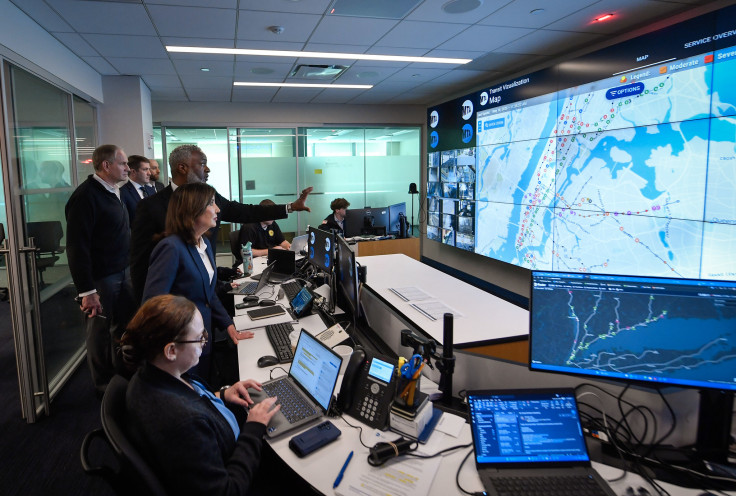
The Long Island Rail Road strike has officially come to an end after the Metropolitan Transportation Authority and labor unions representing LIRR employees reached a deal late Monday, according to officials.
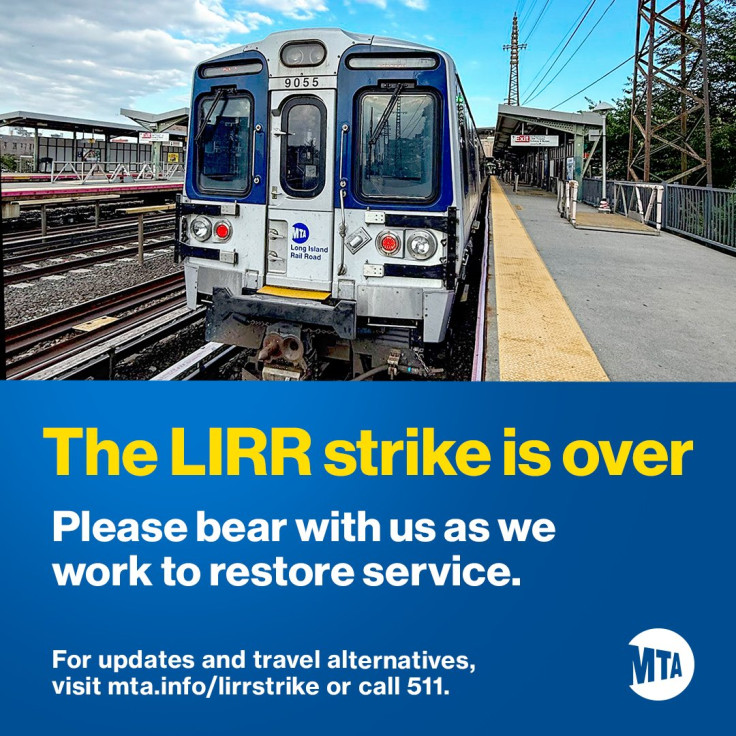
In a statement, Governor Kathy Hochul announced that "Tonight, the @MTA has negotiated a fair arrangement with the five LIRR unions that provides salary increases for workers while safeguarding riders and taxpayers." She also confirmed that a phased resumption of LIRR services will start Tuesday at noon.
The resolution brings relief to the nearly 300,000 passengers who depend on the LIRR every day and who have faced significant disruptions since the strike began early Saturday morning. Monday's commute was particularly challenging, with hundreds of thousands of New Yorkers forced to rely on shuttle buses, carpools, and other alternative transportation options.
The strike was driven by a wage dispute between the MTA and five unions representing over 3,500 employees, including engineers and signal workers. The unions had been seeking a 5% salary increase for 2026, while the MTA initially offered 3%, citing budget constraints. According to MTA documents, both sides had already agreed to retroactive wage increases of 3% for June 2023, 3% for June 2024, and 3.5% for June 2025, but the fourth year of the contract remained the major sticking point.


The final terms of the deal announced Monday include salary increases for workers, though specific details on the percentage increase and other contract provisions have not yet been publicly disclosed. Governor Hochul emphasized that the agreement balances the needs of workers with the financial responsibility to riders and taxpayers.
Over the weekend, Hochul had urged the unions to return to the bargaining table, warning that prolonging the strike would hurt both workers and commuters. "We all recognize that the railroad is essential for Long Island. Without it, our daily lives would be drastically altered. Ultimately, no one benefits from a strike. Everyone suffers," she said during a Sunday press briefing.
The strike, which was the first in thirty years for the LIRR, caused severe congestion and delays across the region. The MTA had activated a limited shuttle bus service during peak hours for essential workers, running buses from six Long Island locations to subway transfer points in Queens at no charge. The agency also announced plans to issue prorated refunds to May monthly ticket holders for any business day that service was suspended.
With the strike now resolved, LIRR service is expected to gradually return to normal operations beginning Tuesday afternoon, though riders are advised to check for updates and allow extra time as the system ramps back up.
© 2025 Latin Times. All rights reserved. Do not reproduce without permission.


